
Who Pays For Mold Removal In A Condo In NYC? Unit Owner Vs. Board Explained
· Daniel Morcombe
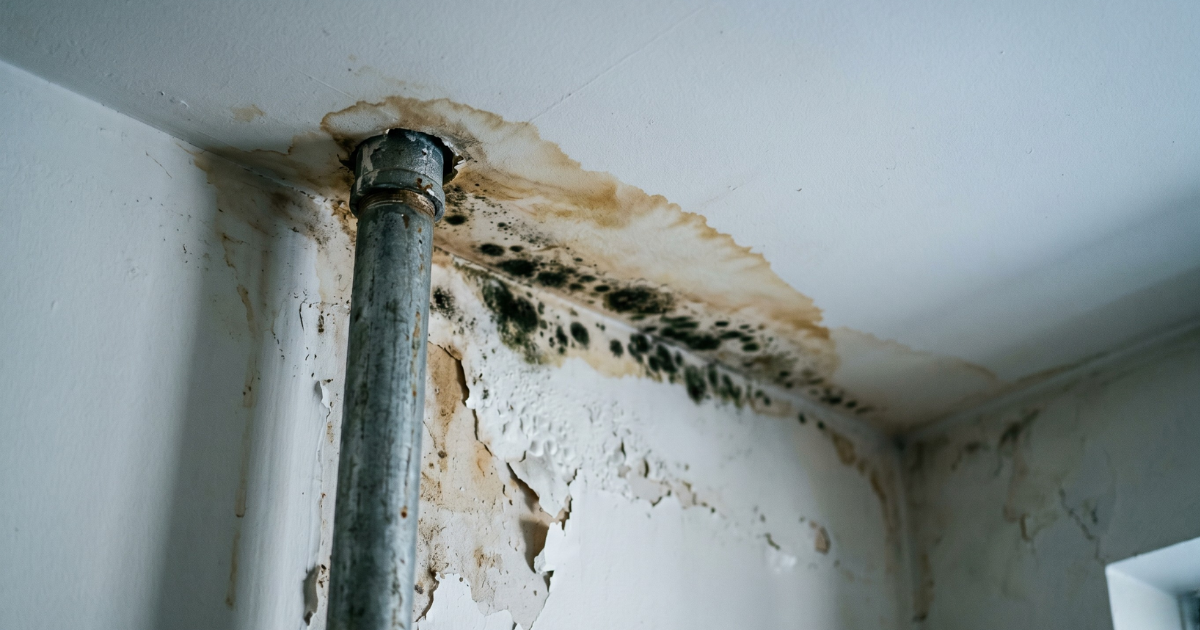
NYC condo mold liability follows the walls-in rule: the board pays for building system failures; unit owners pay for interior sources. Article 32 applies to all condos.

How Condos Differ from Co-ops and Rentals
If you own a co-op, you own stock in a corporation. The proprietary lease calls the shots. You have strong legal protections against your landlord if you rent thanks to HPD and Local Law 55. But if you have a condo unit, you do own real property. Your rights are based on documents that most buyers never read carefully: the Declaration, the By-Laws and House Rules.
This is a huge deal for mold. These documents outline who pays for remediation and who can be compelled to act. There is no one landlord to file an HPD complaint against as there is with renting. Unlike a co-op, there is no proprietary lease that clearly defines structural responsibility. Condos are in a middle ground that is often disputed.
The Walls-In Rule And What It Means To Mold
Most NYC condo docs are built on a "walls-in" ownership model. You own everything inside the perimeter walls of your unit, floor and ceiling. That's your fixtures, finishes, and the air space in between. The condo association owns the structural and common elements: exterior walls, roof, foundation, hallways, elevators, and common mechanical systems.
For mold, this creates three different scenarios:
- Mold from a unit-only source (i.e. running a bathroom without any ventilation for years, for example) is the responsibility of the unit owner.
- The association is liable for mold that results from a failure of the building system (a roof leak that saturated the ceiling on the top floor, or a riser pipe in the wall that dripped for months). They didn't maintain a common thread.
- If your upstairs neighbor's washing machine drain overflows repeatedly, and causes mold, that is the upstairs neighbor's responsibility. You can often recover through their homeowner's insurance or civil claim.
What NYC Law Says About Mold In Condos
All residential buildings, including condominiums, are covered by Article 32 of the NYS Labor Law. Any mold remediation of 10 square feet or more, or remediation involving porous materials, requires a separate licensed mold remediator and licensed NYS mold assessor. This is not something the condo association's regular maintenance crew can do.
NYC Local Law 55 requires even more. Annual mold inspections are mandatory for all buildings with three or more units and licensed professionals must be hired for any remediation. That is every condo building in NYC. The association takes care of the common areas. Individual owners are responsible for their own interiors.
You can file an HPD complaint against a condo association. HPD treats condos as other multi-unit buildings. If the mold is due to a problem with the building that the association controls, inspectors will come out and issue Class B or Class C violations to the board of managers. If it's a Class C violation, the board has to act within 24 hours.
What to Do When Your Condo Board Fails to Remedy
You have given notice in writing to the board. You have demonstrated the mold resulted from a common element failure. They haven't acted. Here's what to do next:
- File a complaint with the HPD at 311 or HPD Online. An inspector arrives. If it's a building deficiency, a violation goes to the condo association.
- Take Housing Court HP action. This is a legal proceeding which requires the board to fix violations by a date set by a court.
- Get your own Article 32 licensed remediator, pay for it, sue the association for the cost in small claims court [up to $10,000] or Civil Court.
- Consult with a NYC housing lawyer. If the mold caused damage to property or health problems you might have a tort claim against the association for failure to maintain common elements.
How Much Does Mold Remediation Cost in a New York City Condo? And Who's Responsible?
| Source | Low Estimate | High Estimate | Key Cost Driver |
|---|---|---|---|
| Unit owner (walls-in, unit source) | $1,500 | $8,000 | Scope of affected drywall and finishes |
| Condo board (common element source) | $3,000 | $25,000+ | Structural repair, remediation, multi-unit coordination |
| Neighbor liability (overflow or leak) | $1,500 | $10,000 | Recoverable via insurance or civil claim |
| Shared (disputed source) | Split | Split | Negotiate or litigate the allocation |
Frequently Asked Questions
Can I file an HPD complaint against my condo board for mold?
Yes. Condo Buildings are Multi-Unit Residential Buildings (HPD). If mold is caused by a building deficiency, they will inspect and issue violations to the board of managers. File online at HPD Online or call 311. Class C violations must be corrected within 24 hours.
My condo bylaws say I am responsible for everything inside my walls. Does that cover a roof leak?
No. Walls-in ownership covers typical interior conditions. Liability for any damage caused by roof or riser pipe leaks (for which the association is responsible) passes to the association. Mold remediation costs included. Your by-laws can not protect the association from negligence in maintenance of common elements.
Does condo homeowners insurance cover mold remediation?
If mold was caused by a sudden covered peril (a burst pipe or accidental overflow) then mold remediation inside your unit is usually covered by a NYC condo HO-6 policy. They usually exclude mold from long-term neglect of the building. And that should be on the condo association's master policy instead. Before paying out of pocket, check out both policies.
The mold in my condo is from a leak from my upstairs neighbor. What do I do?
Write everything down immediately. Take photographs and video of the leak and mold with timestamps. Write to the board and the upstairs neighbor. If the board is not responsive in a timely manner, file an HPD complaint. Your neighbor's HO-6 insurance liability coverage may cover your remediation. Talk to a housing attorney about what you can do.
How long does it take to get rid of mold in a NYC condo?
Active remediation takes 2-5 days for a contained interior infestation. DOB coordination could be required if structural elements like an exterior wall cavity are involved, which takes time. The entire Article 32 process from assessment to clearance testing usually takes 2 to 4 weeks.
Takeaway
One thing both boards and unit owners hate: the longer a disputed mold source sits unaddressed, the more it will cost whoever ends up being liable. Fast response reduces scope.
Call NYC Mold Removal - Brooklyn to arrange an Article 32 evaluation. We service condo owners and boards in all five boroughs.