
NYC Landlord Mold Liability: HPD Violations & Legal Fines
· Daniel Morcombe
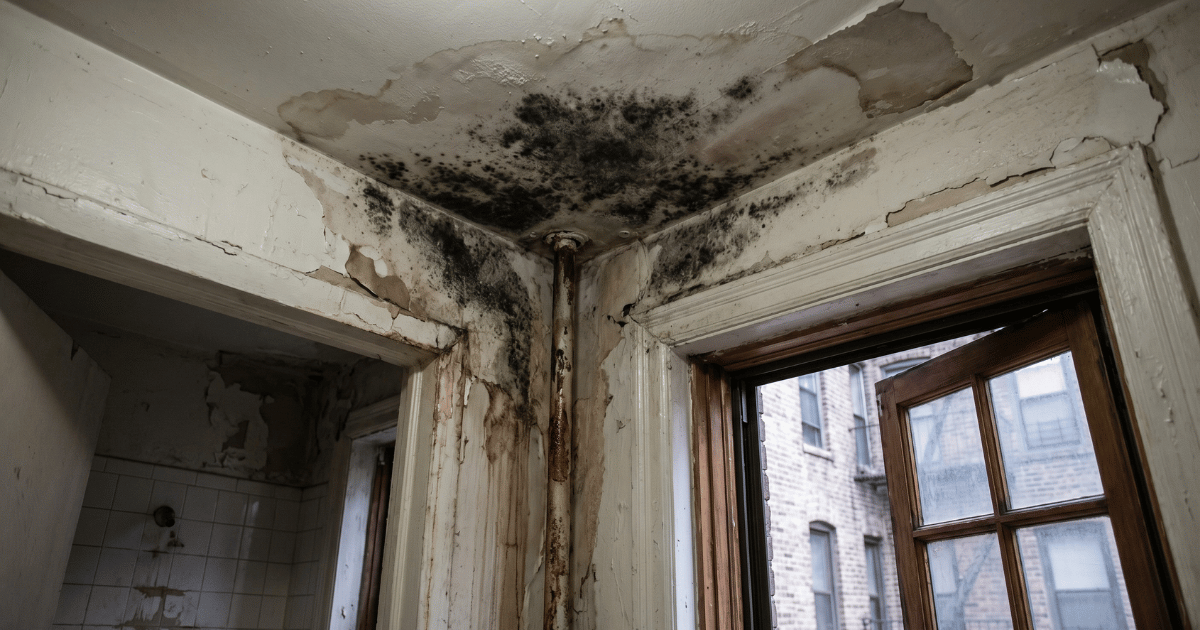
Landlord mold remediation liability in NYC carries fines up to \$10,000. Learn how to navigate HPD violations, Local Law 55, and protect your property.

What Triggers An HPD Mold Violation In NYC And The Penalty Classes
Tenants start by calling 311. The Department of Housing sends someone to look at the apartment. If they see mold, they make a report. They also think about how much mold is there and the history of the building.
The person does not test the mold. They only look and see if it is there. There are three clear levels for when rules are broken.
Class A violations are for small mold problems that are less than 10 square feet. You have 90 days to fix this kind of mold issue. A lot of property owners might think a small spot does not matter. But a small mark on your bathroom ceiling can get much worse if you do not take care of it. The next time someone comes to check, they will see a bigger problem.
Class B violations are for problems that have a medium risk. You have 30 days to fix these.
Class C violations are for issues that could harm people right away. The city includes big mold spots and violations that happen again in this group. You have to fix a Class C violation in 24 hours.
If you do not fix it in 24 hours, fines will start fast. The city gives fines that start at $50 each day for each problem. It can go up to $10,000 for each problem, as shown in the HPD fine schedule. If there is mold in the bedroom and also in the bathroom, that means you can get two fines at the same time.
Landlord Obligations Under Local Law 55 And Warranty Of Habitability
Administrative Code Section 27-2017.1, also known as Local Law 55, says owners have to take care of indoor problems that can lead to asthma. When someone who lives in the place says there is a problem, you have to find out where the moisture is coming from. Fix the leaking pipe, the hole in the roof, or the space in the wall. Just cleaning the surface is not enough.
Local Law 55 gives building owners some tasks. You need to do a check every year for things in the building that may cause allergies. You also need to give people who live there a paper from the Department of Health about things inside that can cause allergies. Give this paper when they start living there and when they decide to stay longer.
State law gives one more rule. Real Property Law Section 235-b says that every rental house must meet the warranty of habitability. This means, if you rent your place, it has to be safe and fit for someone to live in. If there is mold, you break this rule.
When you do not take action, the place can get unsafe for people who live there. Judges often use this law when they decide against landlords. See how these jobs and renter needs go together in our NYC tenant relocation guide.
How Mold Litigation Works In NYC Housing Court
HP actions in Housing Court are the main legal threat for people who own property. People living in these homes file these cases when they want repairs. A judge will order you to fix water problems and get rid of the mold. If you don't do what the court says, you can face civil contempt charges.
Contempt charges lead to extra fines each day, and the money goes to the court. People who rent can ask to pay less rent. A judge will look at how much of the apartment you could not use because there was mold. The NYC Housing report shows there were more than 10,500 mold violations given out in 2024. This list is open to the public. Lawyers for renters use this in court cases.
Lawsuits can do more than what HP actions cover. Tenants also file claims in civil court saying the mold damaged things they own or made their asthma worse. They say this problem made them sick or caused loss. They want money back for the damage.
Courts look at the public record for mold problems. You do not need to show that the owner knew about the mold if there is an open violation on the HPD website. The court will see this public violation as strong proof. An open violation means the owner did not do what he had to do.
Why Using Unlicensed Workers Creates Triple Liability
Some property managers want to spend less money, so they hire handymen to take out mold. In New York City, this is a big legal problem. The state can give you a fine if you do not follow license rules. HPD will keep your violations open if you do not give them papers from a certified professional.
The third problem can happen in court. If you hire someone without a license and they do not seal the mold area right, mold can spread through the building's air. You will be the one to deal with any extra damage. The renter’s lawyer will say you made a big mistake when you picked a person without a license.
Ask to see a license before somebody starts to work on mold in your building. You should check their license on the Labor Department site yourself. Keep a copy of the person’s current license in your files. If you want to know more about how this matters for big building systems, read our high-rise mold remediation guide.
Protecting Your Property With Article 32 Compliance And Documentation
Your defense depends on the right paperwork and having workers with licenses. Labor Law Section 931 says you must have two companies for any job bigger than 10 square feet. A licensed person has to write the work plan. A different crew, also with a license, needs to do the cleanup. If the same company handles both, your insurance claim will be turned down right away.
Never let the same company take care of both parts of the job. Do not let the building staff take out drywall that has mold. The state says workers can’t do this if they do not have a license, especially in buildings with many units. If you follow these rules, an outside expert comes back when the work is done to check that the place is safe.
The independent checker gives you a final safety paper if the place passes. This paper shows that the mold is gone. You send it to HPD to close the problem for good.
This certificate is the best legal help you can have. If someone who lives in the place takes you to court a few months from now and says they got sick from mold, you can show them this paper. Your paper trail will show that someone from outside looked over the apartment and said it was safe.
Can NYC tenants legally withhold rent for mold?
Yes. People who rent sometimes do not pay rent if their home is not safe to live in and the owner has not done anything after they were told. Housing Court judges often let people keep rent when they see there is an HPD record about the problem and the owner did not fix it soon enough.
Does standard landlord insurance cover mold litigation?
No. Most insurance plans for shops or property owners do not cover mold. The company will not pay for lawyer fees or claims unless you can prove the mold is from a covered accident like a broken pipe, and not because of neglect over time.
Are any NYC buildings exempt from Local Law 55 mold rules?
Yes. Local Law 55 applies to buildings that have three or more homes. If you own a house with just one or two units, you do not need to do yearly checks or file any papers because of Local Law 55. But you still must follow state law to keep the place safe and good to live in.
Final Words
If the inspection and cleanup steps of a mold job are not split up under Labor Law Section 931, your insurance claim will be turned down right away. Also, you will get city fines that you can't get back. To make sure your building follows the rules, hire NYC Mold Removal Services.