
Mold Assessment Protocol NYC: The Article 32 Process
· Daniel Morcombe
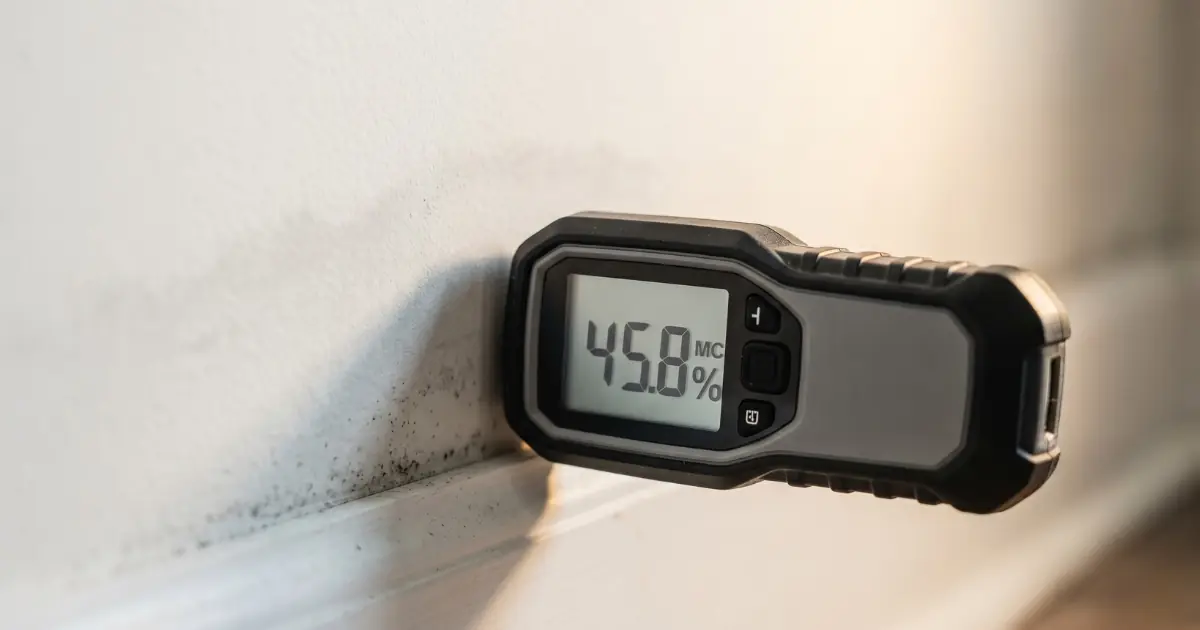
Article 32 requires a licensed assessor's written protocol before any NYC mold remediation begins. Here's what it must include.

A mold assessment protocol is a written document that must be produced by a licensed NYS mold assessor before any remediation can legally begin in NYC. This paper is required for any mold remediation involving porous materials or over 10 square feet, per Article 32 of the NYS Labor Law passed in 2016. The protocol details precisely what needs to be done: what materials to remove, what containment to use, what PPE workers need to wear, and what clearance testing must confirm before the space is cleared. Without it, no licensed remediator can legally begin work. This is the backbone of the whole job.
Why We Have This Law
Prior to the passage of Article 32 in 2016, NYC's mold remediation industry was completely unregulated. Property owners hired whoever picked up the phone. Contractors removed mold without containment, spreading spores. The same company evaluated and remediated it, creating a clear conflict of interest. Clearance testing was optional.
The result: repeated mold, wasted money and preventable health damage. Article 32 broke that cycle by requiring independent oversight at every stage. One licensed company does the assessment. A different licensed firm does the remediation. A licensed assessor does post-remediation clearance, not the remediating company.
For property owners, this is not just compliance. It is consumer protection.
The Article 32 Process from Start to Finish
- Hire a licensed NYS mold assessor. Verify their license at the NYS Department of Labor license lookup. They must hold a current NYS Mold Assessor license, a general home inspector license or IICRC certification is not enough.
- The assessor inspects the site, examining all accessible areas, using a moisture meter to map wet zones, finding the water source, and collecting air and surface samples for lab testing.
- The lab analyzes the samples. A certified industrial hygiene laboratory returns results in 24 to 72 hours for standard orders or 4 to 12 hours for rush. The report names the mold species and concentration levels.
- The assessor writes the Remediation Protocol. This is the central document of the Article 32 process. It specifies the scope of materials to remove, the required containment setup, PPE requirements for workers, work methods and sequence, disposal procedures, and clearance criteria. The remediator is legally bound to follow it.
- Hire a separate licensed mold remediator. The NYS Mold Remediator license is different from the Mold Assessor license, verify independently at labor.ny.gov and give the remediator a copy of the protocol.
- Remediation is performed. The remediator follows the protocol: sets up containment, removes affected porous materials, treats surfaces with EPA-registered antimicrobial agents, and HEPA-vacuums the area.
- Post-remediation clearance testing. The original assessor, or a different licensed assessor (never the remediator), returns after work is done, collects new air samples, and compares results to the pre-remediation baseline and outdoor control samples before issuing a written clearance report.
- Documentation filing. For properties with an HPD violation, post-remediation documents must be filed through HPD's self-certification portal.
What the Remediation Protocol Must Contain
Article 32 sets minimum content requirements. A protocol missing any of these items is legally deficient and creates liability for both the assessor and the property owner:
- The moisture source and required corrective action, fixing the source is not optional.
- A description and square footage of all affected materials to be removed or treated.
- Containment specification: critical containment, limited containment, or full containment with pressure differentials.
- PPE requirements for all on-site workers.
- Work sequence and how containment is set up.
- Disposal method and transport requirements for contaminated materials.
- Clearance testing criteria and what counts as an acceptable result.
Red Flags: What Article 32 Violations Look Like
In the NYC market, Article 32 violations are common among low-cost contractors. Watch for these:
- The remediating company offers to include the assessment in their quote. This is illegal, the assessor must be independent.
- The contractor starts work before you have a written protocol.
- The contractor's "inspector" is the same person as the crew foreman or project manager.
- The contractor says clearance testing is optional or extra.
- You cannot find the company on the NYS DOL license lookup.
NYC-Specific Overlays: Local Law 55 and HPD
NYC has layered something else on top of Article 32. Local Law 55 requires that all buildings with three or more residential units undergo annual mold inspection, and that any mold area larger than 10 square feet be remediated by a licensed professional. Property owners using the HPD self-certification portal must attest to this and provide license numbers.
Frequently Asked Questions
How much does a mold assessment and protocol cost in NYC?
The average cost of a standard mold assessment in NYC by a licensed Article 32 assessor ranges from $400 to $900, including site inspection and lab fees. Rush service or large properties can push the cost to $1,200 or more. The protocol itself is included in the assessor's fee, not an additional charge.
Can I use the same contractor to do the assessment and remediation in NYC?
No. Article 32 expressly forbids this. Companies that offer both on the same contract are breaking state law, and if the work isn't cleared or causes more damage you lose most of your legal recourse.
How long is a mold remediation protocol valid?
The protocol applies to the extent and conditions documented in the assessment. The assessor should revise or re-issue it if the water source returns, more impacted areas are found during remediation, or a considerable amount of time passes before work begins.
Is the landlord required to show me the remediation protocol?
Yes. You have the right to know what work is being done in your apartment and to what standard. Ask for a copy in writing before work begins, if your landlord refuses, that's a sign unlicensed work may be planned, and you should file an HPD complaint.
What happens if a remediator does not comply with the protocol?
Any deviation from the written protocol is a violation of Article 32 and can result in license suspension. It also means clearance testing will likely fail, requiring additional remediation at the property owner's expense, with civil liability exposure for both parties if health harm results.