
Mold Removal Tenant Relocation NYC: Rights and Obligations
· Daniel Morcombe
NYC tenants may be entitled to relocation during mold removal under Local Law 55. Learn about Class C violations, landlord costs, and your legal rights.

When NYC Law Requires Tenant Relocation For Mold
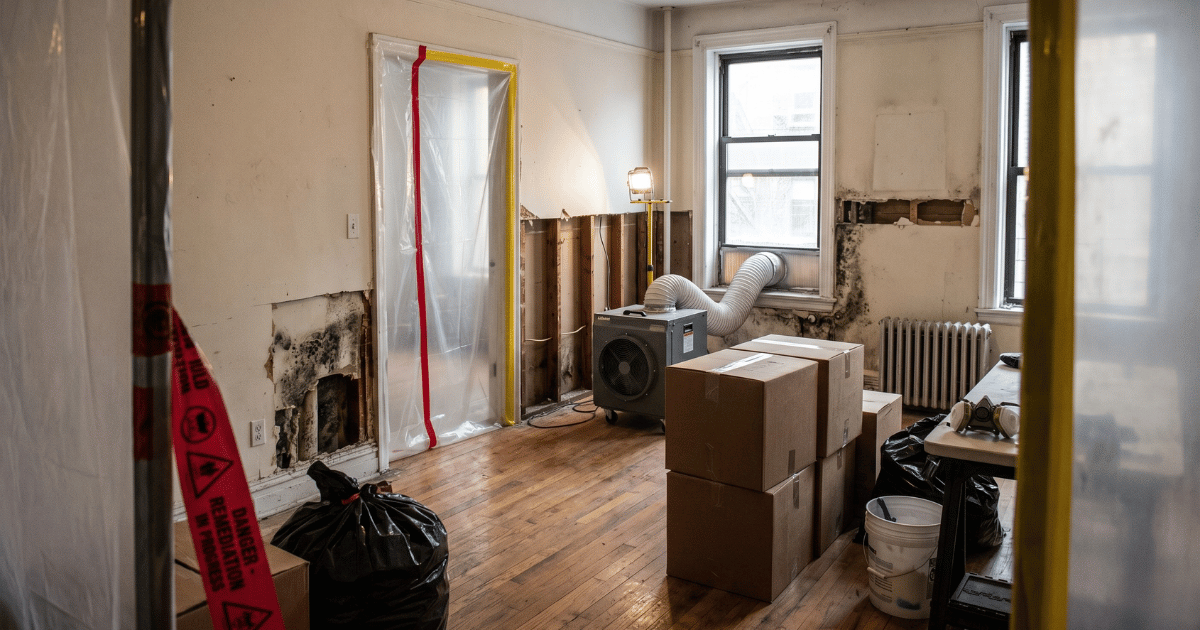
New York City says that mold is a big health problem in buildings covered by Local Law 55 of 2018. Our NYC Local Law 55 and Article 32 compliance guide covers what this means for your landlord. According to Administrative Code Section 27-2017.1, landlords have to fix these issues. They need to hire licensed workers to handle it. You have to leave the apartment if repairs make rooms like the kitchen or bathroom impossible to use. If workers need to seal up bedrooms with plastic and run big air machines all day and night, the law says you cannot live in the apartment until it's safe again.
An HPD Class C problem shows you should not stay in the home. When this takes place, the owner has to start fixing things within one day. Staying in a place while people break out moldy walls or use strong cleaning stuff can hurt your lungs. Most Housing Court judges see this as a clear miss by the person in charge to do what is needed. You do not have to stay in a place that is being worked on and could make you sick.
Who Pays For Temporary Housing: Landlord, Tenant, Or Insurance?
The cost of moving out is usually something the owner pays for. But the exact way this works depends on your insurance and your lease. Under Real Property Law Section 235-b, the owner has to keep the place safe and good to live in. If the owner does not do this, you can get money off your rent. This means you do not have to pay rent for the days you could not stay in the place. You can use that money for a hotel.
Renters insurance is usually the quickest way to handle things if you have to move out. Most insurance plans have Loss of Use coverage. This helps pay for a place to stay and gives you help with meal costs, and you do not have to wait for a court order.
Property owners need to follow Local Law 55. Still, some owners might not want to pay for hotels right away. If this happens, you can get your money back later if you have paperwork from a licensed person who checks things and good proof.
The Article 32 Timeline And Relocation In NYC
Mold cleanup in New York City has to follow NYS Article 32. This law makes the process longer, so you may have to stay in a hotel for more than a few days. The law says the company that checks for mold and the company that cleans it up can not be the same. A licensed person looks for the mold and makes a plan for cleanup. Then another licensed company comes in to do the cleanup work.
After the cleanup job is finished, the cleanup crew cannot just say you can come back home. A second visit from someone who works alone is needed to test if the place is safe. This person checks the air and looks at the space to make sure it is really clean. If the lab still finds too many spores, the cleanup team has to return and clean over again. This back and return can use up more days. A lot of big cleanup companies do not talk about this when they give you your first price.
The whole process starts with the first inspection and goes until everything passes the last safety test. It often takes two to four weeks. Read our NYC mold remediation timeline guide to plan your hotel stay and set the right expectations. This happens even when people work fast. The HPD FY25 report says that more than 10,500 mold violations happened not long ago. Each one had to go through this several step process.
Knowing what an owner must do shows that these waiting times are there because of rules, and for your safety. The tests take time for a good reason. It is not that the cleanup companies are slow. If an owner tells the team to hurry and skip steps, the owner is taking away rules made to help keep you safe.
What To Do If Your Landlord Refuses Relocation Help
If the person who owns your place does not pay attention to your mold report or will not pay for a hotel when big repairs happen, the first thing you should do is call 311 and tell them what is going on. This will start a check up from HPD. A report from this check up is strong in Housing Court because the government will say the problem is real. If the owner still does not do anything, you can bring an HP Action. There is a filing fee of $45.
An HP Action can let a judge tell the person who owns your place to make repairs or ask you to leave right away. You do not need a lawyer to start this. When you go to court, tell the judge that fixing the problem means the apartment has to be closed off for cleaning. Most judges know that people should not stay in a place where they cannot breathe safely. Do not try to fix things yourself and take money off your rent unless the court tells you that you can. If you do, you could be made to move out, and that record can stay with you for years.
Can I bring my pet to the temporary housing provided?
You need to make sure that short-term housing works for what you need at home. The place you stay should let you bring your pets if your rental deal says you can. If the person you rent from is picking the hotel, they need to check if the hotel lets pets stay too. If you use renters insurance, talk to your adjuster early. They need to know so they can add pet fees to the part of your hotel cost that your policy will cover each day.
Does the landlord have to pay for my meals while I am displaced?
Private landlords in NYC usually do not need to pay for meals. But if your place to stay does not have a kitchen, you can ask for a lower rent to help with food costs. Talk to your adjuster or the Housing Court judge about meal costs if you cannot cook where you are staying.
What happens to my furniture if it needs separate cleanup?
Soft things like mattresses or fabric sofas that have a lot of mold usually cannot be saved. Article 32 rules say these things need to be put in two bags and thrown away. If your mold problem started because the owner did not take care of the place, you can add the money for new furniture to your property damage claim.
Can a landlord force me to move out permanently instead of relocating me?
The person you rent from cannot use a mold problem to make you leave your home for good. You have the right to come back to your apartment once you get a report that says the place is safe and clean. If the person you rent from changes the locks or gives your place to someone else while you are staying in a hotel, this is not allowed.
Final Words
Cleanup is done when someone who does not work for you checks the air and says it is safe. If the person you rent from does not follow the rules or will not give you a safe place to sleep when work is being done, they are breaking the NYC housing code. To get a checkup that the court will accept, contact NYC Mold Removal Services.