
HVAC Mold Remediation in NYC: Cost & Process
· Daniel Morcombe
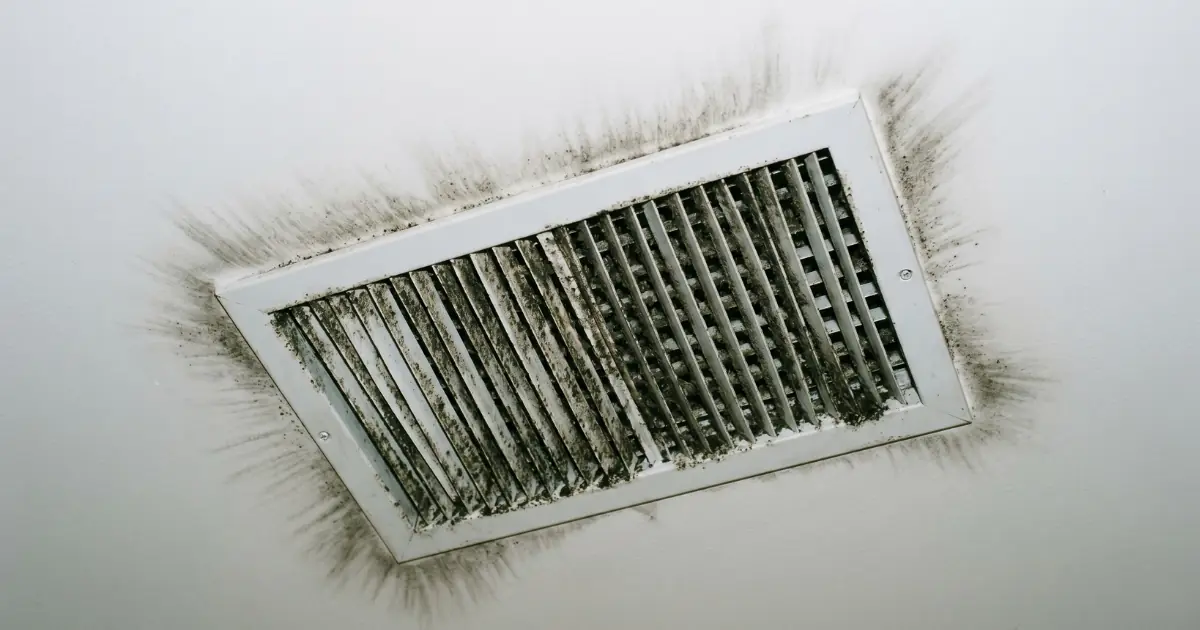
HVAC mold in NYC spreads spores through shared ductwork. Here's what triggers Article 32 remediation and what it costs in 2026.

Mold in an HVAC system is not a room-level problem. Whenever the system runs, it blows spores into every area connected to that ductwork. In a NYC multi-family building where one air handling unit can serve four to eight apartments, confirmed HVAC mold is a building-wide health event. HVAC mold remediation is more complicated, more expensive, and more legally sensitive than standard room remediation, the remediator is cleaning a mechanical system that serves multiple occupied units, and both NADCA industry standards and Article 32 licensing requirements apply.
How HVAC Mold Is Different From Wall or Bathroom Mold
A bathroom tile with mold on it waits for someone to touch it. HVAC mold is different: every time the system turns on, air blows over the mold surface and carries spores into every connected room. In buildings with a shared air handling unit, that means neighboring apartments too.
HVAC mold can also be invisible. You often smell it before you see it. By the time it shows up on supply registers or vent grilles, contamination inside the ducts and on the coil face is typically already extensive.
Common Causes of Mold in NYC HVAC Systems
- Cooling coil condensate trays, standing water accumulates when drain pans don't drain fully, and mold can grow on the coil face within weeks during humid summer months.
- Fresh air intake contamination, older buildings draw outside air through intakes that collect debris and organic material, which the system then distributes indoors.
- Fiberglass duct liner, common in NYC buildings from 1960–1990, this material traps dust and moisture; embedded mold in the liner usually cannot be cleaned and the liner must be replaced.
- Fan coil units, common in Manhattan high-rises and newer condos, FCUs often get skipped during maintenance and become isolated mold sources.
Article 32 Plus NADCA: The Two Standards for NYC HVAC
Standard duct cleaning, even from a certified NADCA contractor, is not enough once mold is identified. The work must be performed by a company holding a valid NYS Mold Remediator license, under a written Remediation Protocol from a separately licensed NYS Mold Assessor. In practice that means:
- A licensed Article 32 assessor confirms mold via air samples from supply registers and surface swabs from coil faces and duct interiors, before remediation can begin.
- The protocol specifies whether the system needs full shutdown, whether duct sections need lining or replacement, and which antimicrobial agents are approved for use inside HVAC systems (not all EPA-registered products are safe for ductwork).
- Clearance air sampling is taken from supply registers in each affected zone after remediation, not just from the air handling unit room.
HVAC Mold Removal Cost in NYC
| Scope | Low estimate | High estimate | Key cost driver |
|---|---|---|---|
| Fan coil unit (single apartment) | $800 | $2,500 | Coil cleaning, pan treatment, antimicrobial |
| Central AHU serving 4–8 units | $3,500 | $9,000 | Full system shutdown, NADCA, Article 32 |
| Building-wide duct system | $8,000 | $35,000+ | Per-zone clearance testing, possible liner replacement |
| Fiberglass liner replacement | $150 | $300 per linear ft | Liner must be removed and replaced, not cleaned |
NYC Law Obligations of Building Management
Local Law 55 mandates annual inspections of building systems, including HVAC, for owners of three or more units, and any mold found must be remediated by licensed professionals. NYCHA buildings fall under a separate federal consent decree requiring inspection within 7 calendar days and remediation within 15. For condo and co-op boards, HVAC is a shared element, failure to remediate confirmed HVAC mold creates direct liability for health damage to affected residents.
Frequently Asked Questions
How do I know if the mold in my apartment is from the HVAC?
Look for a musty odor that appears only when the system is running, or visible mold on supply register grilles. A licensed Article 32 assessor can sample air from the registers and compare it to outdoor control samples to confirm the source.
Can I use my air conditioner while mold remediation is happening in my NYC apartment?
No. Running the HVAC during remediation spreads spores from the work area to the rest of the apartment, and possibly neighboring units. The remediator's containment plan requires the system to stay off until clearance testing confirms the area is clear.
Must my landlord replace moldy ductwork?
If the duct liner or duct board has embedded mold that can't be effectively cleaned, it should be replaced, common with fiberglass-lined systems. This is determined by the assessor's Remediation Protocol; if the landlord objects, HPD can order an independent evaluation.
Who handles HVAC mold remediation in a rental building in NYC?
The building owner is responsible for maintaining mechanical systems under NYC's warranty of habitability, so mold from a landlord-controlled HVAC system is the landlord's cost to repair. If they contest it, file an HPD complaint.
Is NADCA certification enough for HVAC mold remediation in NYC?
No. NADCA covers standard duct cleaning procedures and is not a substitute for a NYS Article 32 Mold Remediator license. Any HVAC job with confirmed mold needs both: NADCA for the mechanical cleaning and Article 32 licensing for the remediation itself.