
Black Mold Testing and Removal in NYC: 2026 Cost Guide
· Daniel Morcombe
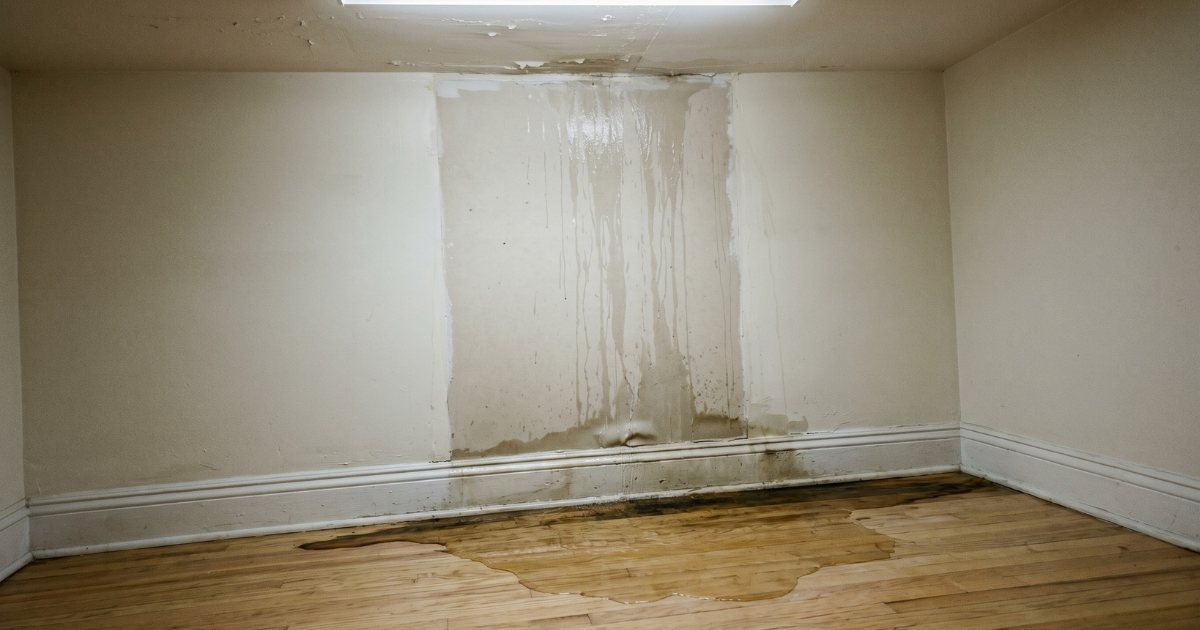
Dark mold in NYC apartments needs lab testing to confirm species. Article 32 requires licensed pros for removal over 10 sq ft. Here is what to expect and what it costs.

Is This Black Mold in My NYC Apartment? Testing, Risk and Cost of Removal
You can't tell from looking at it what kind of mold you have. The species most people call “black mold,” Stachybotrys chartarum, resembles many common molds that are much less of a health threat. The only way to confirm the species is with a lab test by a licensed NYS Article 32 mold assessor. That matters in NYC. Stachybotrys is confirmed and a more stringent remediation protocol is initiated: full poly containment, HEPA-filtered negative air machines, full PPE for workers, and bagged disposal of all porous materials. State law requires a licensed professional for any mold over 10 square feet regardless of species. Begin with the testing.
Black Mold Is a Species, Not a Color
NYC tenants discover dark mold in bathrooms, behind pipes and under windows. And the first fear is always the same. Is this the toxic black mold? That's what a mold test is for. Visual inspection does not. Stachybotrys chartarum is dark greenish black and slimy when wet. But so are Cladosporium, Aspergillus niger and other common molds that are far less harmful. You don't see the difference.
What makes the species important to NYC? If you have mold on porous materials or any area over 10 square feet, you must have licensed professionals per Article 32 of NYS Labor Law. When Stachybotrys is detected, the protocol requires a much more aggressive containment and disposal. That alters the scope and the cost.
Why Visual Identification is Always Wrong
Stachybotrys produces toxins called mycotoxins. They are bound to mold spores. They aren't released in high amounts just from being near the mold. The real danger is the number of spores in the air. You can only test that through an air sampling test done by a licensed NYS mold assessor.
NYC Article 32 Licensed Mold Assessors utilize three testing methods:
- Air Sampling: Spore trapping from air with a pump and cassette. A certified lab provides results in 24 to 72 hours. The report shows the species type and the spore count (spores per cubic meter).
- Mold direct from surface swab or tape-lift samples: This determines what species is growing here on this surface.
- ERMI (Environmental Relative Moldiness Index): A dust DNA test. It gives you a broad overview of the mold exposure in the space over time. Good for sale and clearance after remediation.
Before any work is commenced, the licensed assessor shall prepare a written Remediation Protocol in accordance with Article 32. This is a legal requirement, not an option.
Article 32 and Black Mold in NYC: What the Law Really Requires
New York State's Article 32 of the Labor Law enacted in 2016. So it established a licensing system. Before that, there was no regulation of mold work. Untrained workers often spread rather than remove spores.
Here's what the law says about black mold jobs in NYC:
- The protocol must be written and tested by a NYS licensed mold assessor. The assessor shall be a different company from the remediator.
- Protocols for Stachybotrys will require full poly containment, HEPA negative air machines running continuously, full PPE for all workers, bagged removal of all porous materials, and HEPA vacuuming of all surfaces.
- Once the work is done, the clearance testing must be performed by a licensed assessor (again, not the same company). This confirms that air spore counts have returned to outdoor background levels.
And NYC's Local Law 55 adds one more layer. If the building has three or more units, the landlord must engage licensed professionals whenever there is more than 10 square feet of mold. Stachybotrys almost always hits that threshold.
Black Mold Removal Cost NYC by Borough and Building Type
Cost is based on square footage, level of containment, access to the building, location of other asbestos. Many pre-1980 NYC buildings contain asbestos-containing materials. If there's asbestos, it has to come out before anything else. That costs more.
The 2026 contained bathroom or single room rates are shown in the table below. Cases or jobs for whole apartments or with HVAC can top $15,000.
| Borough / Location | Low Estimate | High Estimate | Key Cost Driver |
|---|---|---|---|
| Manhattan | $3,500 | $12,000 | Freight elevator fees, premium labor rates |
| Brooklyn | $2,500 | $8,500 | Brownstone plaster adds demo complexity |
| Queens | $2,000 | $7,000 | Row houses with shared walls |
| Bronx | $2,000 | $6,500 | Multi-family stock; HPD violation overlap common |
Can You Remove Black Mold Yourself NYC?
State law does not prohibit self-cleaning for areas less than 10 square feet on non-porous surfaces, such as tile, metal or glass. But Stachybotrys hardly ever stays on non-porous surfaces. It grows on cellulose containing materials like drywall, wood and insulation. They are porous. Porous materials cannot be scrubbed clean of mold. It has to be excised and removed. Trying to clean Stachybotrys without containment will send spores throughout the entire apartment.
If your building has a Class C (immediately hazardous) HPD mold violation, a licensed professional has 24 hours to correct it. No exceptions regarding size or surface type.
Frequently Asked Questions
How do I know if it is black mold without testing it?
You don't. Stachybotrys, Cladosporium and Aspergillus niger are all coloured dark. They can grow on the same surface together. The only way to get a definitive answer is to have a sample taken by a licensed NYS Article 32 mold assessor and analyzed in a certified lab. Test costs $300 to $600. It costs a lot more to get the species wrong.
Is a NYC Landlord Responsible for Removing Black Mold?
Yes, if the mold was from something the landlord was supposed to maintain. Leaking roof, broken pipe, bad waterproofing. That's the landlord's problem. The landlord pays under NYC's warranty of habitability. File an HPD complaint to make them act. Class C mold violations mean the landlord has 24 hours to begin remediation or face daily fines.
How Long To Remove Black Mold From NYC Apartment?
Active remediation of a contained area will take 1-5 days. The full Article 32 process, from assessment to clearance testing, usually takes between 2 to 4 weeks. This is due to the law mandating separate licensed firms for assessment and remediation. They can't be the same company.
Is Stachybotrys the only type of toxic mold in NYC?
No. Other species of Aspergillus, as well as Fusarium and Chaetomium, produce mycotoxins. A full air quality test from a licensed assessor includes all species, not just stachybotrys.
Does my health insurance cover mold-related treatment?
Health insurance will cover the mold health problems like respiratory infections, asthma attacks and allergic reactions in the normal way. It doesn't provide any special benefits for mold exposure. A doctor's note that ties your symptoms to mold is good evidence in an HPD complaint, a Housing Court HP action or a civil suit against your landlord.
Takeaway
The species question is not as important as people think. Scope and cost depend on the area affected, the type of material, and whether the moisture source is static. First, get the evaluation. Everything else comes from there.
Book a licensed Article 32 inspection with NYC Mold Removal of Manhattan. We are available throughout the five boroughs.