
What to Do After Mold Remediation in NYC: Clearance Guide
· Daniel Morcombe
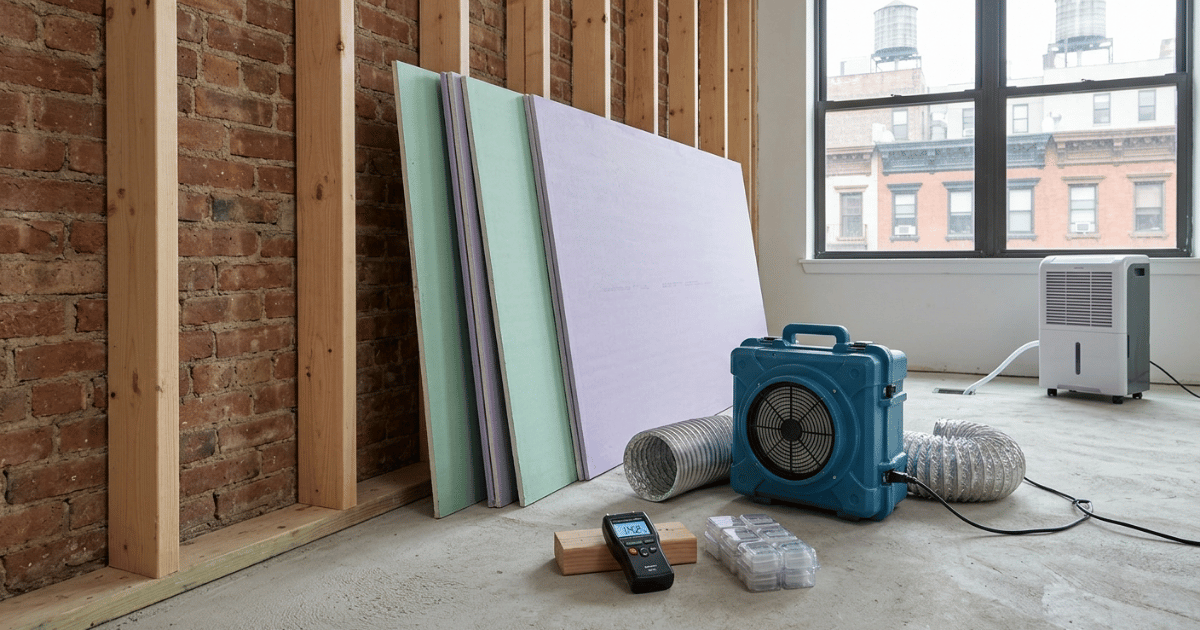
What to do after mold removal in a NYC apartment. Property owners must pass an Article 32 clearance test and file Local Law 61 HPD documents.
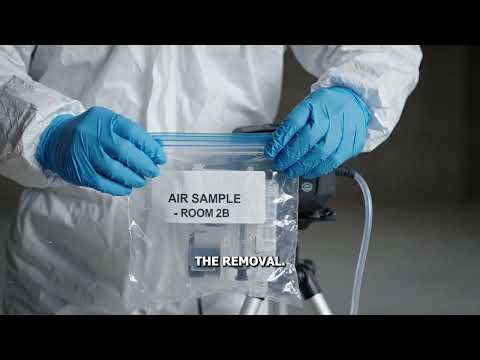
What The Post Cleanup Safety Test Means Under Article 32
Under New York State Article 32, a licensed mold expert must make sure the cleanup is done right. The person or company who did the work cannot say if the job was good. This rule, enforced by Article 32, helps stop false safety reports.
The inspector comes back when the cleanup is done. He looks at the area with his eyes. He looks for any dust, trash, or wet wood still there. A tool called a moisture meter is used to test wood and floors. The water level in the wood should be under 16 percent. If it’s more than that, the wood is still wet and must not be closed up yet. If you close up wet wood, water stays inside. Mold can come back in about six months.
Air testing starts after you pass the look over. The person who checks will use a pump to pull air over a sticky slide for a short time. They take samples from inside the place where people work and from outside the building. The number of spores inside should be the same or lower than what is found outside.
If the test does not pass, the cleanup crew will have to return. They will clean the place again, using their own money. Then, the space will be tested again.
This step will make you wait about four to seven days more. They do not put the walls back until the inspector says it is okay. Do not let any contractor push you to start rebuilding before you get that paper.
Filing Post Cleanup Documents For Local Law 61
Getting rid of mold does not always close a city notice. In buildings that fall under NYC Local Law 61, the owner has to let the Department of Housing Preservation and Development (HPD) know when the mold problem has been fixed.
You send this proof through the HPD eCertification portal. The system needs real proof. You need to upload the first inspection report, the contractor's license numbers, and the final safety report.
The city needs to see proof that you fixed where the water came from. You can send them plumber bills or roof repair receipts with the mold paperwork. If you do not add this, the problem will not be closed. Open HPD issues can make it hard to get building loans, make it tougher to sell, and let tenants hold back rent.
Rebuilding The Apartment With Water Resistant Materials
It takes different materials to put the room back together than the ones used before. Under New York State law, the same licensed cleanup company can also do the work to fix the room. You can read more about how long it takes and what it costs in our reconstruction guide.
Standard paper-backed drywall takes in water fast. It's like how a sponge pulls up water. You can take it out and put in mold-proof green board or purple board instead. These boards have fiberglass mats in them, not paper. This helps keep water out.
Leave a half inch space between the bottom of the new drywall and the floor slab. This space helps keep the drywall from taking in water from the concrete. When you put in the baseboards, they will cover this gap.
Many old Brooklyn brownstones and buildings in Manhattan still have their plaster walls from the past. Plaster work takes skilled people who know how to do it the right way. Changing the old plaster for drywall can change the way fire and sound is blocked in your place under NYC building codes. You should ask your inspector if you can use drywall or if the DOB will want you to keep plaster, just like it was before.
Moisture Control Plans That Stop Mold From Coming Back
Mold will come back if water comes back. You need a good fix that lasts, so the things that started the problem do not come back. Take a look at our guide on what to do after water damage in NYC.
Bathrooms must have good air flow. A regular fan with its own switch does not always work long enough to clear out all the steam. You can connect the fan to the light switch. Make sure to add a timer so the fan will stay on for 20 minutes after the light is turned out.
Basement spaces need you to keep water under control all the time. You should get a commercial grade dehumidifier. Connect its drain line to a sink or a floor drain. If you wait for someone to empty a plastic bucket, the machine fills up. It then stops running for days.
Look at your air system's drain lines every spring before you turn on the AC. If the drain pan gets blocked, water can go into the walls. This can start the whole issue again. This is one main reason mold keeps coming back in Manhattan apartments. Clean out the drain line with watered-down bleach every April. Make sure the pan drains well before you get that first hot week. This is free to do.
Satisfying The Co-op Board During The Clearance Phase
Co-op shareholders have more to do after the mold is cleaned up. Your proprietary lease tells you who will pay for fixing the wall. See who pays for mold removal in a NYC co-op guide and current proprietary lease rules.
If the mold is from the main plumbing stack in the building, the board takes care of fixing things until they put on the first layer of paint. The shareholder has to pay for anything extra, like special tile or wallpaper.
Your building’s management company will need a copy of the Article 32 report before their workers can come in. They will not take the cleanup contractor’s bill to show that the unit is good to go. Give the office the outside inspector’s paperwork as soon as you can to get things going. Most building managers want this between 30 and 60 days after you get the report.
How Long Do I Have To Clear An HPD Class B Mold Violation?
Property owners get 30 days from the notice date to fix a Class B issue and send in the needed proof. If they do not finish this in time, they will be charged a fee of $50 to $150 each day.
Will Bleach Prevent Mold From Coming Back On Open Studs?
No. Bleach does not go into the small pores of wood studs. It will not kill the mold roots. When you use bleach, you mostly add water to the wood. That can help the mold grow again after the bleach is gone. You should use an EPA registered product for wood surfaces.
Should I Run An Air Cleaner After The Plastic Barriers Come Down?
Yes. You should run a HEPA air cleaner for 48 hours right after the barriers come down. This helps catch dead mold spores that can get into the air when you take off the plastic sheeting. Dead spores may still cause allergies in some people, even if there is no live mold left.
Final Words
Not getting the right safety paperwork can slow down property refinancing. It can also hold up real estate closings. Want to make sure your property has all the Article 32 rules in place? Schedule a check with NYC Mold Removal Services.