
How to Close an HPD Mold Violation in NYC
· Daniel Morcombe
Closing an HPD mold violation requires Article 32-licensed remediation and an independent clearance test. Here's the exact process.
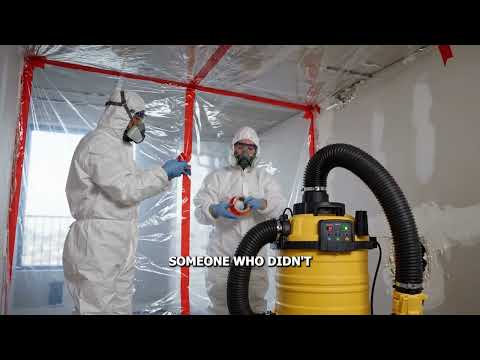
To clear an HPD mold violation in NYC, you must hire a licensed Article 32 mold assessor and a separate licensed remediator, complete the remediation within the correction period (24 hours for Class C, 30 days for Class B, 90 days for Class A), and self-certify through HPD's online portal. Missing the self-certification deadline raises the violation's severity in some cases and exposes the owner to daily civil penalties. The fastest way through it isn't skipping licensing, it's having the right companies lined up before the clock starts.
Three Categories of NYC HPD Mold Violations
- Class A (Non-Hazardous): 90 days to correct, civil penalty up to $1,500 per violation. Example: minor mildew on bathroom grout in a well-ventilated area.
- Class B (Hazardous): 30 days to remediate. After the deadline, civil penalties of up to $5,000 per violation per day. Example: mold over 10 square feet on bedroom walls with a known moisture source.
- Class C (Immediately Hazardous): correction must start within 24 hours, with civil penalties up to $10,000 per violation. The city may also make emergency repairs and bill the property owner. Example: significant mold in an apartment occupied by children or immunosuppressed people.
Most HPD mold violations are Class B or C. If a Class C violation isn't addressed within 24 hours, an emergency HP action can reach Housing Court within days.
The Exact Correction Sequence
- Read the violation thoroughly, noting the class, correction deadline, Housing Maintenance Code section, and NOV number, you'll need the NOV number to self-certify.
- Call a NYS Article 32 licensed Mold Assessor immediately for Class C violations. The assessor must be a different company than the remediator; check licenses at labor.ny.gov before hiring anyone.
- The assessor inspects, samples if needed, and writes the Remediation Protocol, usually 1–2 days for a residential job, though many NYC assessors turn around a Class C protocol same-day for an emergency fee.
- Hire a licensed NYS Article 32 Mold Remediation Contractor and hand them the written protocol so they can carry out remediation exactly as specified.
- Schedule clearance testing after remediation. A licensed assessor independent of the remediator returns to take air samples and issues a written clearance report confirming the condition is corrected.
- Self-certify on HPD Online. Find your NOV number at hpdonline.hpd.nyc.gov, verify the work was done by licensed professionals, provide their license numbers, and upload the clearance report.
- Retain all documentation, the assessor's report, the remediation protocol, the remediator's completion report, the clearance report, and the HPD self-certification confirmation, in case of a future audit or inspection.
What Happens If the Deadline Passes
- Class A after 90 days: the violation stays open, and the tenant may pursue an HP action or rent-withholding remedy.
- Class B after 30 days: civil penalties begin accruing daily, and HPD may schedule a re-inspection that could escalate the violation to Class C.
- Class C after 24 hours: expect Housing Court action quickly. A judge can order the city to make the repairs and bill the owner, and the $10,000-per-day penalty can exceed the entire remediation cost within a week.
Common Mistakes That Get Self-Certifications Rejected
- Hiring an unlicensed contractor, HPD requires license numbers for both the remediator and the assessor, and rejects filings without them.
- Using the same company for assessment and remediation, which violates Article 32 and can get a certification pulled once HPD checks the license numbers.
- Self-certifying without a clearance test, if an inspector later finds mold still present, the self-certification is revoked, a new violation is issued, and penalties run from the original due date.
- Fixing the mold but not the moisture source, if mold returns within 30 to 90 days, that's a new violation, since the protocol must address the water source, not just the surface growth.
How HPD Violations and Article 32 Work Together
Article 32 defines who can legally do the work, and HPD enforces whether the violation is actually fixed. Cleaning by building maintenance staff, no matter how thorough, does not satisfy an HPD mold violation unless the work is performed by professionals licensed under Article 32. Buildings with three or more units also face separate annual mold inspection requirements under Local Law 55, even with an active violation.
Frequently Asked Questions
Can I self-certify an HPD mold violation without actually remediating anything?
No. Self-certification is a legal affirmation that the violation has been fixed, and false certification can be treated as fraud. HPD audits self-certified violations regularly, with Class B and C filings audited more often.
My tenant filed an HPD complaint, can I get the violation dropped before the inspection?
Once an inspector visits and issues a Notice of Violation, it must be corrected and self-certified; there's no path to negotiate it away. Immediate licensed remediation and self-certification is the fastest way to close it.
Does the tenant have to allow me in to do the remediation?
NYC law requires tenants to provide reasonable access for repairs with proper notice, typically 24 hours in writing, and immediate access for Class C emergencies. If a tenant refuses, document every access attempt in writing, it matters in Housing Court.
What's the difference between an HPD violation and an HPD complaint?
A complaint is filed by a tenant or third party and triggers an inspection. A Notice of Violation is only issued if the inspector personally observes the condition, so not every complaint results in a violation.
What does a typical Class B mold violation cost to fix in NYC?
A Class B violation covering 20–50 square feet of drywall generally runs $2,500–$6,000 for the full Article 32 process, including assessment, remediation and clearance, well below the civil penalty exposure for missing the 30-day deadline.