
Mold After Water Damage in NYC: 48-Hour Emergency Guide
· Daniel Morcombe
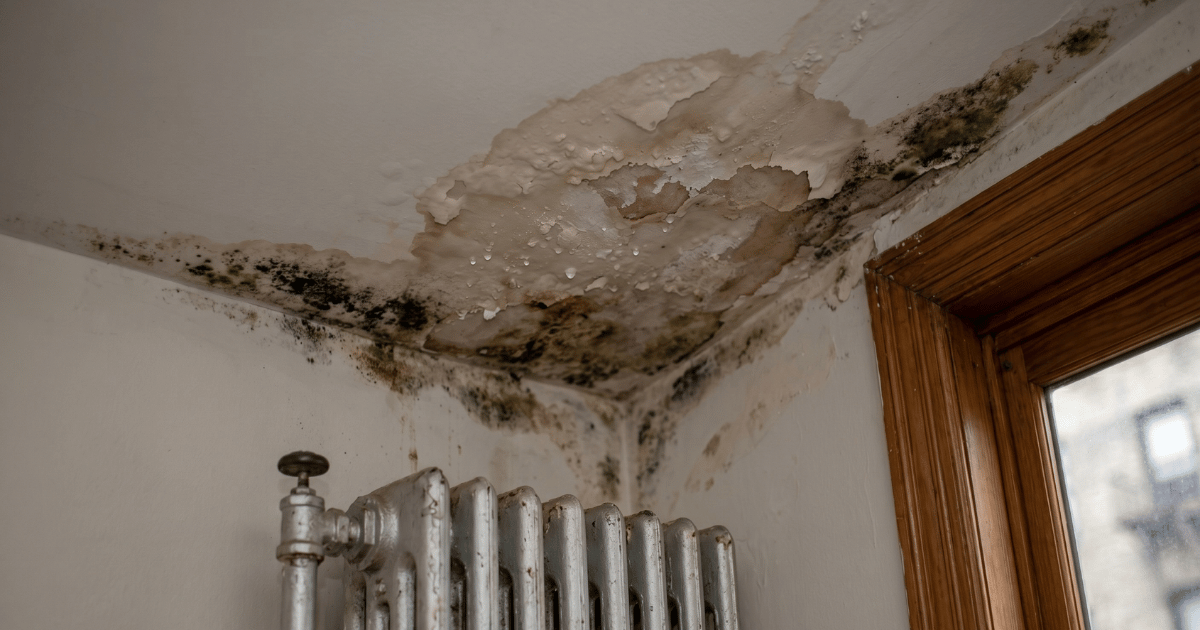
Mold grows within 48 hours of a NYC pipe burst. Find out why calling a plumber isn't enough and how NYS Article 32 protects your apartment and insurance.
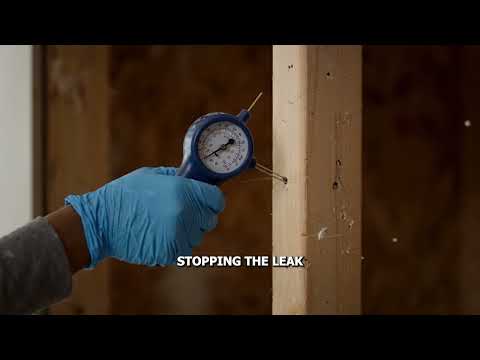
Why Mold Starts Growing Within 48 Hours After Water Damage
According to the NYC Health Department, mold starts to grow on wet building surfaces within one to two days after they get wet. In NYC apartments, this happens fast because there are tight wall spaces with hardly any air movement. These places hold water for a long time. If water from a bathtub spills over, it can go down pipes and onto ceiling beams or into drywall. A regular fan cannot push air into these closed wall areas. This leaves warm and wet spots where mold grows easily. The paper on drywall gives the mold something to eat. The roots of the mold get deep into the surface in two days. After that, you cannot just clean the top surface to remove it.
The NYC Water Damage Checklist: What To Do In The First 24 Hours
What you do on the first day of a pipe burst can make or break your insurance claim. You must quickly shut off the main water valve. Take a video of the leak before you clean anything. This shows the insurance people that the water leak happened fast and was not there for a long time. When the water stops, get a different person to check for trapped wet spots. A heat camera helps with this.
Under state Article 32 rules, the same company cannot check for mold and clean it up too. Make sure you hire a second person for the first checkup. This is the law and it also makes the work plan fair. Doing things in this order stops unlicensed workers from cutting open wet walls and spreading mold through the apartment.
Mold After A Neighbor Flood Or Pipe Burst: NYC Liability Steps
Water damage in a building with several units can often come from a neighbor or someone who lives upstairs. This can make it hard to know who will pay or repair things. If your ceiling gets damaged because your neighbor's radiator valve is broken, you need to take pictures or videos right away. Tell the co-op board or the owner of your building in writing. Talking to the caretaker is not enough if you do not write things down, because there is no record.
If the building's managers do not help or try to patch it up in a simple way, you can reach out to the Department of Housing Preservation and Development. If city inspectors discover mold growing in your unit, they will give out Class C violations. This means the person who owns the building must call in licensed experts and fix the mold within 24 hours.
If you are a co-op owner, read our guide on who pays for mold removal in a NYC co-op before talking to the board. A lot of them say that when the building’s shared system causes the damage, the co-op pays to fix it.
Emergency Mold Cleanup In NYC: Who To Call First
General contractors and carpet cleaning franchises cannot deal with serious water damage in buildings with many units. A New York State licensed cleanup company is needed for this type of work. A job like this needs commercial air machines and barriers before anyone starts working with wet materials. A trained group seals the damaged room. This keeps the air system and furniture safe from tiny mold spores. After that, workers take out everything that is not good to use anymore. They put EPA registered products on the inside framing. They also use big machines to pull out deep water trapped in building materials. If you hire licensed Manhattan mold cleanup experts, you get the right papers. These papers help owners answer co-op board questions and clear active HPD issues.
Does NYC Renters Insurance Cover Mold From An Upstairs Neighbor's Leak?
Renters insurance will cover mold cleanup if it is caused by a sudden event, like a burst pipe. The insurance company will not pay if the mold is from a slow, hidden leak or from ignoring building problems for a long time.
Can A Plumber Sign Off On Mold Safety In New York?
No. Plumbers do not have a state license. They cannot give a mold safety certificate. Only someone with a mold license can say that a cleanup meets state rules. If you trust a plumber on this, you could have legal trouble.
Does Bleach Kill Mold On Wet Apartment Drywall?
No. Bleach takes color off the surface, but most of it is water. The water soaks deep into drywall, which has lots of small holes. This makes it easier for mold roots to grow fast. People who clean up mold for a living take out the wet drywall with their hands. They then use special products approved by the EPA on the wood beams under the wall.
If you trust building maintenance to dry your walls, mold will come back. For documentation steps that protect your insurance claim, see our NYC mold insurance claim guide. You may also get more HPD violations later. To protect your property and get the right safety clearance, schedule an inspection with NYC Mold Removal Services.