
Mold Testing vs. Mold Inspection in NYC
· Daniel Morcombe
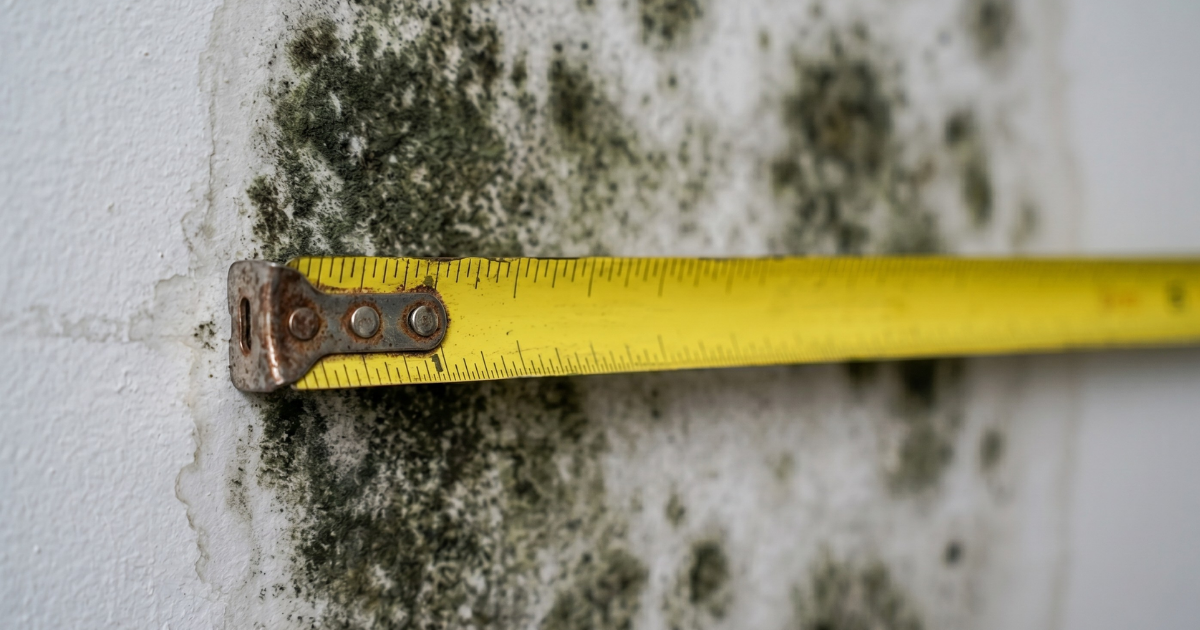
A mold inspection is visual; testing identifies species via lab analysis. NYC requires a licensed Article 32 assessor for both.

A mold inspection and mold testing in New York City must both be done by a licensed NYS Article 32 mold assessor, a general home inspector or IICRC-certified contractor won't do. The inspection is visual: the assessor looks for visible growth and moisture conditions. The test uses air or surface sampling to detect mold you can't see, or to confirm species. Inspection is almost always the first step under Article 32, since it determines whether sampling is needed and where. Order it wrong and you waste money on a lab report that misses the real problem.
Why the Distinction Matters in NYC
Outside New York State, "mold inspection" and "mold testing" are often used interchangeably, and the person doing them might not need to be licensed. In NYC, inspection and testing are both licensed professional services under Article 32, and the assessor's findings dictate what remediation can legally take place.
Testing without a prior inspection can mean sampling the wrong locations and missing the real source. Inspecting without testing, when sampling is actually required, can leave you without the documentation needed to compel landlord action, file an insurance claim, or self-certify an HPD violation.
What a Licensed NYC Assessor Actually Does During an Inspection
- Inspects all accessible areas: closets, under sinks, behind appliances, mechanical chases, crawl spaces and attic voids.
- Uses a calibrated pin or pinless moisture meter to locate wet areas in walls, floors and ceilings where mold isn't visible yet.
- Employs infrared thermography when needed, since thermal cameras can reveal hidden wet pockets behind walls.
- Visually inspects the HVAC system, including supply registers, air handling units and return air paths.
- Documents the water source that caused the mold to grow.
At the end of the inspection, the assessor writes a report. For visible mold with a well-defined scope, they may write the Remediation Protocol without sampling. Sampling happens when the source is unknown, cross-contamination to other units is suspected, or species identification is needed for insurance or legal reasons.
Mold Testing: When to Take Samples
- No visible mold, but occupants report ongoing musty odors, allergy symptoms or health problems, air sampling can detect high spore concentrations before visible growth.
- A high-hazard species like Stachybotrys may need confirmation for an insurer, HPD inspector or Housing Court.
- Post-remediation clearance testing is required by Article 32 and must be done by a licensed assessor unaffiliated with the remediating company.
- Real estate transactions, especially co-op or condo board approvals, often require documented air quality.
- Litigation, HPD violation disputes, Housing Court HP actions or personal injury claims, requires lab-certified data, not just visual notes.
Types of Mold Tests
- Air sampling (spore trap or Andersen impactor), the most common test, collecting spores over a set period and comparing to an outdoor control sample.
- Surface swab or tape-lift, samples visible mold directly for species identification with high specificity, but doesn't detect what's in the air.
- ERMI (Environmental Relative Moldiness Index), a DNA test of settled dust that shows a space's mold exposure history, useful for real estate transactions.
- Bulk sampling, a small piece of moldy material sent for lab analysis when a surface swab is inconclusive.
Testing and Inspection Costs in NYC
| Scope | Low estimate | High estimate | Key cost driver |
|---|---|---|---|
| Visual inspection only | $200 | $500 | Small apartment, no sampling needed |
| Inspection plus air sampling | $400 | $900 | 2–4 air samples plus outdoor control |
| Full assessment (inspection, sampling, report) | $600 | $1,200 | Standard pre-remediation Article 32 assessment |
| Post-remediation clearance test | $300 | $600 | Independent assessor; 2–4 samples plus outdoor control |
Testing Considerations Specific to NYC
Outdoor air in NYC already carries its own mold load, Cladosporium and Aspergillus levels outdoors are noticeably higher than in suburban areas, which is why a licensed assessor always takes outdoor control samples alongside indoor ones. Pre-war buildings with original plaster create concealed cavities that harbor moisture and often require wall-cavity sampling rather than visual inspection alone. In high-rises, HVAC cross-contamination between floors means sampling should include supply registers, not just ambient room air.
Frequently Asked Questions
Can a home inspector do a mold inspection in NYC?
A general home inspector may note mold-like substances in their report, but they cannot perform an Article 32 mold assessment, write a remediation protocol, or do legally meaningful mold testing in NYC. You need a licensed NYS Article 32 Mold Assessor for anything with legal weight.
Do I need to test if I can already see mold?
Not always. Any porous material with visible mold over 10 square feet requires a licensed professional under Article 32 regardless of species. Testing becomes necessary when species identification affects the remediation plan, insurance documentation is needed, or the issue may go to court.
How long do mold test results take in NYC?
Standard lab processing takes 3–5 business days. Rush processing (24–48 hours) adds $50–$150 per sample, and some local labs offer same-day results for a higher premium.
Should I get mold testing before purchasing an apartment in NYC?
It's not a legal requirement but is strongly recommended, especially for pre-war buildings, ground-floor units, or any apartment with a history of moisture problems. A $400–$900 pre-purchase test is far cheaper than finding mold after closing.
Can I use a home mold test kit instead of hiring a professional?
Home test kits don't meet Article 32 standards, their results are unreliable, and they aren't recognized in HPD proceedings, insurance claims, or Housing Court. They're not a substitute for an assessment by a licensed NYS Mold Assessor.