
Staten Island Mold Removal: Costs, Risks & Process (2026)
· Daniel Morcombe
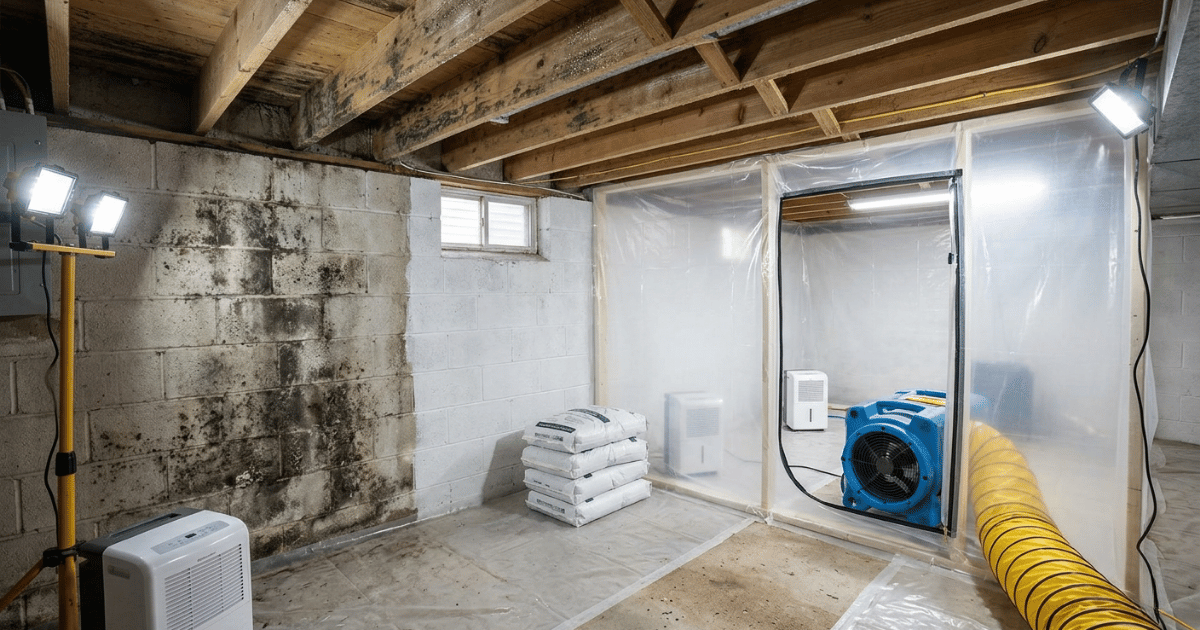
Staten Island mold removal costs \$1,500 to \$10,000. Marine humidity and Hurricane Sandy legacy damage make coastal homes uniquely vulnerable to mold.

Why Staten Island Homes Face Above-Average Mold Risk
Staten Island takes in a lot of wet air from the ocean, and this reaches every part of the island. Many homes feel damp in and around the house. A big number of homes here are split level or bungalow types built on top of crawl spaces. According to NYC Health reports, the coastal areas, such as Port Richmond, face a flood risk that is 61.3 percent higher than the average in the city.
These crawl spaces keep damp air that comes up from the soil. When the hot summer air meets the cool concrete walls, water drops show up on the wooden floor joists above. This wet area helps mold grow for months before people in the house can smell the musty odor.
Many people put in French drains and sump pumps inside their houses to deal with water coming up from the ground. But if these things stop working when it rains a lot in spring, it may not take long for an unfinished basement to fill up with water.
Fixing the main problem is just as important as cleaning the mold. Cleaning just the surface will not help if water keeps coming up from the soil. Inspectors look at how the land slopes. This is to make sure rainwater moves away from the siding. Blocked gutters can make the ground next to the base very wet. Stopping water from outside helps keep the inside dry.
Attic spaces can have the same weak spots. If blown-in insulation covers the soffit vents, salt-heavy air can get stuck under the roof deck. When there is not good airflow between the vents, the attic can keep heat and water in. This can make it feel like an incubator, especially in winter.
Coastal Humidity, Post-Storm Damage, and the Legacy of Hurricane Sandy
Many homes near the coast still have damage that you might not see from Hurricane Sandy. Floodwater got into the wood frames in places like Midland Beach and Tottenville. The NYS Senate report says that Hurricane Sandy did about $8.1 billion in damage to people's homes.
Modern building materials like oriented strand boards are not strong if they stay wet for too long. The wood starts to swell and is not as strong anymore. Mold can grow deep in the wood. Products that you use on the surface will not reach it. When the air is humid, old mold spores in the boards can wake up and start to grow again.
Cleanup quotes often rise when people open the walls and spot old water damage inside. These experts look at the wood at the bottom to check if it is still sturdy. They make a plan to remove things before they talk to you about how they will do the work. Saltwater breaks down the screws and nails in wood a lot faster than fresh water does. When workers find weak spots like this, fixing them during cleanup makes the repair last a lot longer.
Insurance companies often say no to water damage claims. This happens when their adjusters say the mold is from an old storm, not from a new pipe bursting. Make sure to show when the water got in to help your insurance claim. If you have a sudden leak, read our NYC mold after water damage guide. For ongoing groundwater problems, see our NYC basement mold removal guide.
Mold Removal in Staten Island Single-Family Homes vs. Apartments
Fixing a detached home in Staten Island is different from cleaning up an apartment. Apartment work is often about quick leaks or heating problems. These problems can affect many units at the same time. In a single family home, you may see water coming in from below or from a roof that does not vent in the right way.
Getting rid of mold in a house that stands on its own means you have to seal the whole building from weather outside. Renters who live in apartments need the person who owns the building to fix problems in the building. People who own their homes must pay to fix the land and the things that make the inside feel damp.
Working in a stand alone house gives the crew one big advantage. Teams can run air machines and send air out a first floor window. This easy setup keeps equipment costs lower than in tall buildings. In tall buildings, you need long tube runs. But if there is a large basement, it means there is more space to cover, so any savings might even out.
Taking out moldy fiberglass insulation from a big attic can take several days. It also needs a lot of hard work. Vermiculite insulation can be another problem. If the home was built before 1990, contractors have to test the attic for asbestos before they touch any insulation with mold in it.
Staten Island Mold Cleanup Costs and New York State Compliance
New York State Article 32 talks about every home and business mold cleanup job. Section 931 says that one company cannot both check and clean up the mold if the area is over 10 square feet. This helps stop conflicts of interest when it comes to money.
Fines for not following the rules can be high for the contractor. If any work is done without the right license, the homeowner might lose their insurance or have trouble with their property title. You can check what licenses are needed on the Labor Department site. Having different people for inspection and cleanup can take more time. But it’s good because someone else is there to see that the job is done well.
Professional crews follow clear steps to make sure things stay safe. They put up plastic walls and bag up any dirty drywall before they take it out. After they take away all damaged things, the same person who checked before comes back to do a safety test. This outside expert takes air samples in the work area and matches them to samples from outside. You can’t take down the plastic or start fixing the walls until the air inside is as clean as the air outdoors.
Does bleach kill mold on porous basement walls?
No, bleach will not go deep enough into things like drywall or wood. It can clean what you see on the top, but the roots are still left under the surface. The Environmental Protection Agency also says not to use bleach for cleaning mold on most surfaces.
Can I legally paint over mold in my Staten Island home?
No. You should not paint over live mold, as it goes against building safety rules. It does not kill the mold that is there. Paints made to stop mold will not solve the problem on dirty surfaces. They only help stop new mold from growing in clean areas. You need to remove all the mold first and also fix any water problem. After that, you can paint.
Do coastal homes need dehumidifiers after cleanup?
Yes. When you keep indoor air under 50 percent humidity, it stops new mold from growing in this area. The Centers for Disease recommends using machines that lower moisture in basements and crawl spaces. This is important in places where fresh air does not get in. A strong dehumidifier helps stop water from coming back on new floor joists.
Final Words
Coastal moisture can get into your foundation joists. Over time, this can make the load bearing walls of your home weak. A professional inspection will help protect the value of your property with NYC Mold Removal Services.
Related guides: For borough-specific pricing and process details, see our Queens mold removal guide and Bronx mold removal guide.