
Basement Mold Removal in NYC: 2026 Costs and Compliance
· Daniel Morcombe
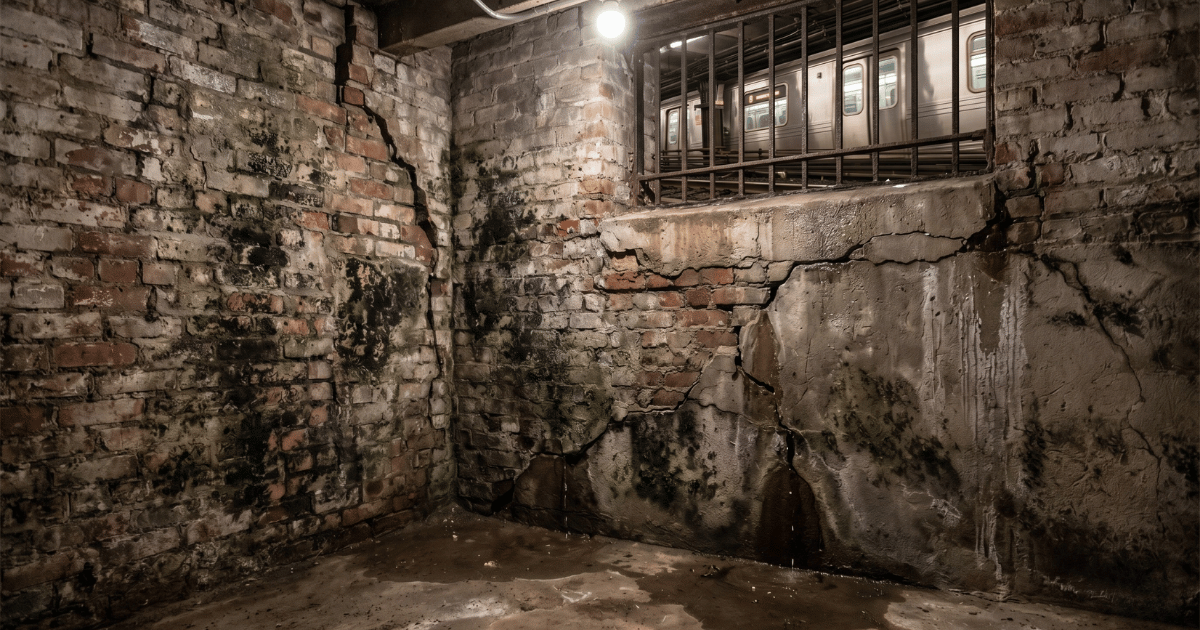
Basement mold removal in NYC costs \$2,000 to \$12,000. Learn how subway pressure and Local Law 55 affect your remediation timeline and HPD violations.

The Subway Effect And NYC Groundwater Pressure
The subway system works like an underground dam. It makes water go under the surface between Manhattan and Brooklyn. When the MTA turns on pump stations by these lines, the pumps push water up. This makes water find small cracks and then it starts to leak in. This is the reason why a basement that looks dry at first can end up with mold when work on the train lines is going on close by.
Cleaning the mold you can see is just a short-term fix if what causes it on the outside is still there. To solve the problem for good, you need to know if the damp is coming up from the ground or if you have a leaking pipe. You should find out how close your building is to the subway. Ground shaking can make cracks, and this is the main way water gets into buildings next to trains or subways.
If you have taken care of mold in the same building above, read our guide on mold after water damage in NYC before you think the basement problem happened for a different reason.
Navigating HPD Violations And Local Law 55
NYC Local Law 55 says that owners who have buildings with three or more units need to keep basement apartments free from mold and bugs. If a tenant makes a 311 complaint, the Department of Housing Preservation and Development will send a notice with a clear legal deadline.
Based on HPD enforcement records, Class B issues must be fixed within 30 days. Class C issues are more serious and need to be fixed in 21 days. After the work is done, the owner has to send in a Certification of Correction. HPD can close the issue in about 70 days if the tenant does not say there is a problem with the paperwork.
Be sure your contractor gives you the right AFH 1 form that the city needs. This form shows that the moisture was taken away and the mold was cleaned the right way, following Article 32.
Owners who hire workers who do not have a license to clean basement mold can get all the fines you read about in our owner mold guide.
Cloudburst Resilience And The 2026 Infrastructure Shift
The $95 million Cloudburst Project in Brooklyn was announced on April 30, 2026 by Mayor Mamdani and the NYC Department of Environmental Protection. This work started because strong rains are breaking old sewer lines. The team is using special pavement that water can pass through. They also put storage tanks under large areas, across 350 acres. The main goal is to fix big flooding issues on Kings Highway and Coney Island Avenue. The project will move millions of gallons of rainwater so the old pipes get less of it.
This type of work can also move groundwater toward other building foundations while the construction is happening. Neighborhoods like Corona and East New York have the same problems when the soil soaks up water faster than the city drains can clear it. Fixing mold in these places means more than just changing out drywall. Putting antimicrobial coatings on foundation walls costs less than having to fix everything after each big storm.
The Licensed Plumber Rule For Sump Pumps
Putting in a sump pump to deal with water in the basement is not a quick DIY task. The NYC Plumbing Code Section 28-105.11 covers this work. The law says that a Licensed Master Plumber must fill out a Limited Application for any setup that links to the city's sewer line. A setup done by someone who is not licensed can make insurance claims useless and may bring city fines for False Certification.
A professional mold cleanup company works with the plumber to make sure the area is clean before the new system is sealed. This helps stop the sump pit from turning into a spot where mold can grow. It also keeps mold from going into the air when the pump runs. It is important to check if any structural waterproofing has the right city permits. This will protect your property value and help your homeowner insurance stay good.
What is the 10 square foot rule for mold in NYC?
New York State law says that if there is mold that covers more than 10 square feet in a building with 10 or more units, you must get a licensed mold cleanup contractor to handle it. The building super should not try to clean big mold problems with bleach. If you do not follow this rule, you may get large fines. You also will not be able to close HPD violations.
Does the MTA pay for mold caused by subway vibrations?
No, the MTA does not usually say they are at fault if you find cracks in your foundation or see mold at your place. This is true unless you can show clear proof that they did something wrong during the work. People who own their homes often need to use their own insurance or pay the cost themselves if water gets in because they live close to the subway. You should keep a record and take pictures of any new cracks right when the transit work begins near your home.
How do I certify an HPD mold violation as corrected?
You need to send in an AFH 1 form using the HPD online portal. Add a signed note from a licensed mold professional saying that the work was done right and that someone not from the same company said how the cleanup should go. If you do not include the license number in your papers, the city will not accept it. Fines will keep going until you fix it.
Can I stay in my basement apartment during cleanup?
You can usually stay in the house if the cleanup team uses good HEPA filters and closes off the space the right way. But if they need to remove more than 30 square feet of drywall or use strong cleaning chemicals, you may have to leave for 2 to 3 days. If the mold came from the owner not taking care of the building, the owner may have to find you another place to stay.
Protection Against Recurring Basement Mold
Getting rid of mold in your basement means you have to clean it well and also follow the rules. If you do not hire two licensed companies, like Article 32 says, you might get into legal trouble and your insurance may say no to your claim. Basement mold often comes back because water leaks or problems are not fixed. If this is happening, you should get in touch with NYC Mold Removal Services to set up an inspection that meets all laws. This will help keep your property safe from the risks in the building and city that you might not notice.