
Mold Removal Cost in Queens, NY: 2026 Price Guide
· Daniel Morcombe
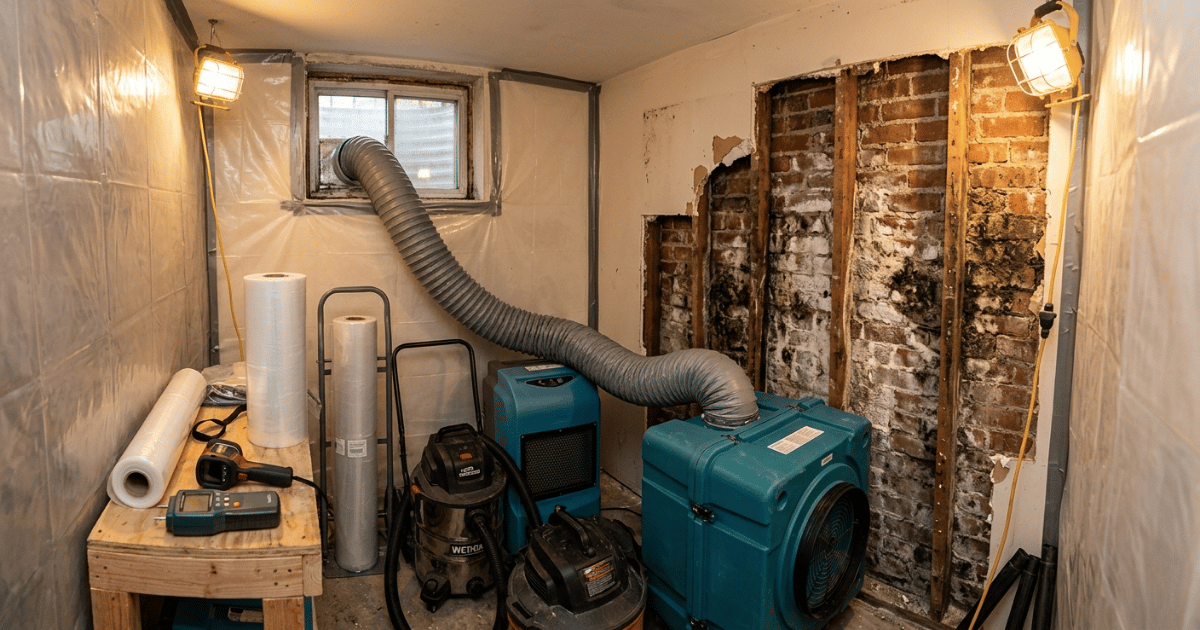
What mold removal actually costs in Queens: $1,500–$6,000 depending on job type, plus what drives the price, row-house shared walls, high groundwater, and Article 32 compliance.

Why Queens Housing Creates Specific Moisture Problems
Queens row houses have walls that are next to each other. If there is a roof leak in one home, the water can move through the brick and get into the wall of the house next door. This sometimes makes mold grow behind the drywall in a neighbor’s home, even if they did not get a leak. To fix mold in these buildings, the first step is getting a Queens mold inspection. This will help find out if the moisture is coming from your neighbor’s home before starting any work to fix the problem.
Coastal Queens neighborhoods have a lot of problems with water. Basement-specific costs and groundwater rules are covered in our NYC basement mold removal guide. The ground water there rises up through old concrete. When there are heavy storms, the street drains fill up fast, which then pushes water into houses through floor cracks and joints. If people just clean the mold off the surface and do not add a good dehumidifier or waterproof the foundation, the mold will come back after the next big rain.
Neighborhood Risk Factors In Flushing, Astoria, And Jamaica
Flushing has many apartments below street level. These homes often do not get much air, and the soil under them can be very wet. In winter, the outside walls are cold, but the air inside is warm. This makes a lot of water appear on outside walls that do not have any insulation. This damp area lets mold start to grow in closets or behind furniture where the air is still.
Astoria's older buildings can often have slow leaks in the pipes hiding behind the old plaster and lath walls. The old plaster does not show water marks as fast as new drywall does. A small drip from a pipe can keep going for months before anyone smells something musty. By the time you see a mark on the wall, it is usually too late. The inside of the wall can need a lot of work to get rid of deep mold.
Jamaica property owners often deal with high humidity because the bay is close by and old heating and cooling systems are used in many mixed use buildings. Poor airflow in bathrooms and drain lines that get clogged are main reasons for mold outbreaks in busy rental units. To keep indoor humidity low, the building needs vapor barriers. It also needs better mechanical ventilation to keep the building protected.
Mold Removal Costs In Queens For 2026
A normal bathroom mold cleanup in a home usually starts at $1,500. It can go up to $6,000 if the basement has flooded and you need to get rid of wet drywall, insulation, and floors. This price can change because of the amount that has been affected and the number of hours workers spend working in small spaces, like narrow Queens stairs or walk-up apartments.
City rules for trash removal can make things much more expensive. If you want to put a dumpster on a small street in Jackson Heights or Sunnyside, you need a Department of Transportation permit, and this can cost several hundred dollars. Cleaning up trash from higher floors in walk-up buildings is also more costly, because it takes more work than cleaning at street level where people and equipment can get in and out more easily.
Insurance usually does not pay for mold if it is from a lot of moisture over time or if you did not keep up with upkeep. But if there is mold because of something that happened fast, like a pipe burst or a problem with an appliance, they may let you make a claim. You have to do this in 180 days. The company also asks for a report from a state-licensed mold expert. Our NYC mold insurance claim guide covers the six-month filing window and the Article 32 documentation standard. This person will check to find out what caused the mold before they let you get paid for the cleanup.
The Queens Cleanup Process And Containment
The first step of professional cleanup is to cover the work area with plastic sheeting. This helps seal it off from the rest of the property. There are HEPA air cleaners that bring the air pressure down inside the area. This stops mold spores from spreading into hallways or into other units while work is taking place. This is very important in dense neighborhoods like many parts of Queens.
Workers in full gear take out anything that cannot be kept. After the wall framing shows, the crew uses HEPA vacuums to pick up dust. They put EPA approved products on the surfaces to kill any mold roots left behind. The area stays closed off under running air machines. A third party does a safety check to see if the indoor air is safe for the team to rebuild.
Legal Requirements Under Local Law 55 And Article 32
NYC Local Law 55 says that owners of buildings with three or more units need to look for and fix mold dangers. Under Administrative Code Section 27-2017.1, landlords must have any mold over 10 square feet cleaned by licensed pros. If they don't do this, HPD will give them violations right away.
New York State Article 32 says that the same company cannot do both the check and the clean up on one job. A licensed mold inspector writes the work plan. A different licensed contractor does the clean up work. After the clean up, the safety check must be done by the same independent inspector before the job is finished.
Do I Need A Permit For Mold Removal In Queens?
No, you do not need a permit from the Department of Buildings to remove mold or to replace normal drywall. You will only need a permit if the job changes the frame structure, moves the plumbing, or changes fire rated walls that are shared between apartments.
Can My Landlord Evict Me For Reporting A Mold Problem?
No. New York State law helps renters. If you make a good faith complaint about mold to your landlord or HPD, the law says you are safe from being kicked out in revenge. If your landlord tries to end your lease or make your rent much higher within one year after a mold complaint, the law sees this as a payback move.
Will Bleach Kill The Mold On My Basement Walls?
No. Bleach can not get into the deep roots of mold that grow in things like wood or concrete. It takes away the color you see on top, but it does not kill the roots. Use an EPA registered product that is made for the type of surface you want to treat.
Final Words
Queens row houses and first floor apartments often face water problems. Large national cleaning companies may not be able to help with these the right way. It is good to get a local licensed inspection first. You need to find out the real cause before any work starts. Contact NYC Mold Removal Services for a proper check-up and a same day estimate.
Related borough guides: Manhattan · Brooklyn · Bronx · Staten Island.