
Mold Removal in NYC Pre-War Apartments: Costs & Risks
· Daniel Morcombe
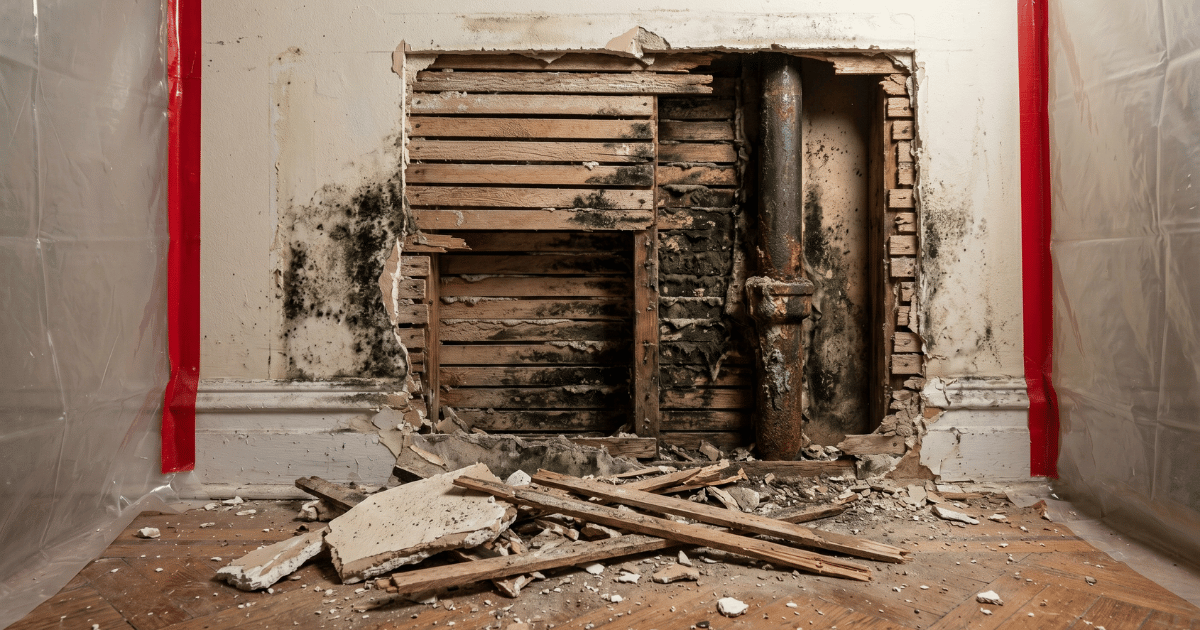
Pre-war NYC apartment mold remediation costs \$2,500 to \$9,000. Plaster walls, old pipes, and asbestos change the process. Here's what to expect.

What Old Walls Do To a Mold Problem
Most apartments in NYC that were put up after 1960 use drywall. You cut the drywall, put it in a bag, and then you go to the next step. But older places have thick plaster on top of wood strips. Some walls have plaster that is right on brick or on wire mesh. If water gets behind these walls and mold shows up, you need to chip away the plaster and take out the wood strips one by one. This job makes 15 to 25 percent more trash for every square foot than when you work with newer apartments.
Water often gets in from three places. Old iron pipes can leak slowly inside walls. They might let water out for years and you won't know. Old window sills and bricks with cracks let rain in when it's wet outside. Two-pipe steam heating systems send water into wall spaces every winter. If these systems are not taken care of, the water stays around.
Old walls built before the war do not have water blockers inside. Back then, NYC did not ask for these in building codes until the 1950s. So, water can get in easily. The wood strips soak up the water. The thick plaster then holds it all in. Most of the time, when you see mold on the wall, it has been growing for months behind that wall.
What Article 32 Requires In a Pre-War Building
New York State Article 32 works the same way for a 1927 Harlem walkup and a 2015 tall building in Long Island City. If the mold problem is bigger than 10 square feet, you must have a licensed inspector and a different licensed company to do the cleanup. The old buildings do not get an excuse for this.
What makes pre-war buildings stand out is that there is more you need to notice. A licensed inspector in a pre-war apartment can't just do a quick look and take an air test. Mold can grow deep inside walls that no one has opened since the 1940s. The inspector needs to write a work plan that tells how to seal the area, how to take out plaster and wood trash, and if the walls need to be looked at for dangers before the cleanup team comes in.
If you hire a contractor who wants to do both the check and the cleaning, you break state law. Many NYC homeowner and renter insurance plans will not accept claims if you do not have the right Article 32 forms. Our guide on how to hire a licensed mold remediation contractor in NYC explains what credentials to check before signing. You can read more about license rules at the Article 32 page.
When Asbestos And Lead Paint Are Already In The Picture
Many old buildings have several risks because of how they were made. You may find asbestos in things like wall plaster, covers for pipes, floor tiles, and even the bumpy texture on the ceiling. People who built these homes used asbestos in all of these parts until the early 1970s. There was also a lot of lead paint before the ban in 1978. If you live in a place that was built in 1931 and there has not been a major fix, the walls could still have asbestos and lead. Mold can grow in these spots too.
When a mold cleanup team finds that plaster has asbestos, the work must stop. A contractor with the right license under New York State Article 30 needs to come and get rid of the asbestos first. This calls for another permit and another team. Most times, you will need to wait one to three weeks more before the mold cleanup crew can be back.
Lead paint in places where children under six live leads to Local Law 1. That means there must be a special look and safety steps for this.
There can be many risks, and that’s why pre-war jobs can cost up to $9,000. A licensed worker should check for asbestos and lead before anyone writes up a plan. Make sure to ask about this before you sign anything.
What Cleanup Actually Looks Like In Your Apartment
Cleanup starts under Article 32. Old buildings need stricter sealing. A licensed checker from another company looks at everything, takes air samples, and writes the work plan. The plan is sent to the licensed cleanup crew. They seal the work area fully before any plaster is touched.
Taking down old plaster takes more time than drywall. The workers wear full safety gear while the HEPA air cleaners stay on from start to end. All the trash is bagged. They take it out using commercial waste rules, these rules are harder than normal home trash pickup. If anyone finds that there is asbestos, the team stays away from the wall until the asbestos crew comes and finishes their part first.
After the mold is gone and the area is treated, the sealed barriers stay in place. Then, a licensed expert from another company comes in to do a final safety check. The air samples must be clean before anyone can start putting the walls back together.
Putting up new walls in a building made before the war can be hard. For a full look at that phase, see our post-mold reconstruction guide for NYC. It needs someone who is good at matching the plaster to the old look. A skilled plasterer will do this. The cost for this part goes up by about $1,500 to $5,000, depending on how big the area is.
Frequently Asked Questions
Does Mold Cleanup In A Pre-War Apartment Require A DOB Permit?
No, you do not need a DOB permit just to get rid of mold. A permit is only needed if there is work done on structural walls, load bearing parts, or plumbing pipes during the rebuilding part. The person doing your checkup will write a plan. This plan will tell you if you need a permit for your job.
Can Asbestos Testing Happen Before Mold Cleanup Starts?
Yes, and in any pre-war building this is needed. A licensed asbestos expert can look at the plaster, floor tiles, pipe covers, and the ceiling texture before any work starts. If asbestos is there, the Article 30 cleanup gets done first. Then the mold cleanup crew can come in.
How Long Does The Full Process Take In A Pre-War Apartment?
The full process takes about three to five weeks. Cleaning up is usually done in three to five days if it's in one room with plaster. But getting the Article 32 review done, doing asbestos testing if needed, and the last safety review will make the whole thing take much longer.
Does NYC Local Law 55 Apply To Pre-War Buildings?
Yes. Local Law 55 is for all NYC buildings that have three or more units. This includes most pre-war apartment buildings in all five boroughs. Landlords must look for mold and other indoor risks each year. They also need to get a licensed expert for any job that is bigger than 10 square feet.
The Plaster Water Risk
Pre-war apartments can have water inside the walls for years. Sometimes you may see a small spot on the surface, but the real problem behind the walls can be much bigger. Want to know if the check will look for asbestos and lead dangers? If you need an Article 32 check, reach out to NYC Mold Removal and set up your visit.