
How to Hire a Licensed Mold Remediation Contractor in NYC
· Daniel Morcombe
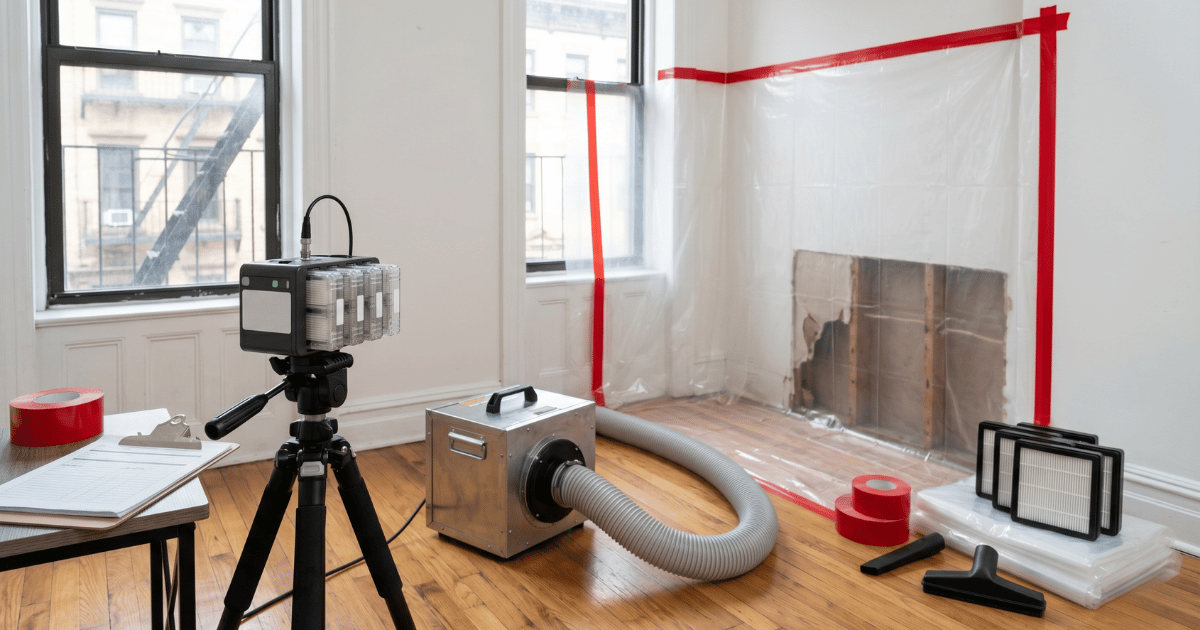
Article 32 makes it illegal for one NYC mold company to assess and remediate your home. Here's the compliance checklist before you sign anything.

Why the Wrong Contractor Costs You Twice
When one company does the looking, the cleaning, and the final approval, the money issue is clear. A bigger problem found during the check means you get a bigger cleanup bill. And if that same company gives the final approval at the end, there is no outside person to look and see if any mold was left behind. There is also no way to know if the air is safe.
Before Article 32, you could see the industry doing these things right where everyone could see. State officials used to say it was like the fox watching the henhouse. The law stopped that way of working. But now, the state will not act until something has already gone wrong.
The NYS Department of Labor can fine contractors $10,000 for each time they break the rules. They can also take away their license. By that time, your safety paper might not mean anything.
What Article 32 Actually Requires
New York State Article 32 has four main rules. These rules are for any mold job in NYC that is bigger than 10 square feet.
A different licensed inspector needs to do the first look. A licensed mold inspector is the one who has to do it. That company should not work with the cleanup team. The inspector finds the mold in the house. They also find where the water is coming from. The inspector writes down every step for the cleanup company to follow.
You need to have a written cleanup plan before any work begins. Make sure you get the written plan from the person in charge before people start cleaning or taking things apart. The plan tells you what has to be taken out. It explains how the area will be closed off. It also says when air filters will run and what the air needs to be like before anyone can go back in.
If you do not get a written plan, then no legal work has started yet. If a contractor comes to your home and starts putting plastic on your walls before giving you this paper, you should stop the work right away.
A licensed cleanup company will do the work using the plan. The cleanup contractor needs to have a NYS mold cleanup license. They must follow the plan made by the inspector. They can't change the plan by themselves. If they find more mold, the inspector will need to update the plan before anyone can do more work.
An outside final safety look. Once the job is done, someone with a license from a different company comes to see the air and the surfaces. For what comes next, read our guide on what to do after mold remediation in NYC. They make sure the mold is gone and things are safe. The group who did the cleanup can not say for themselves that everything is safe. This goes against Section 931 of the Labor Law. If a contractor gives you a safety paper in their own package, they are not following the law.
8 Red Flags When Hiring a Mold Cleanup Company in NYC
These are warning signs that show a contractor does not follow the law.
They give a free inspection along with cleanup. This is the most common Article 32 problem in NYC. A free look-over that comes only if you hire them for cleanup is what the law says no to. Walk away from any price quote that puts the two jobs together.
They can't show you a New York mold license. Section 931.4 says a copy of the mold license must be at the work site. Ask to see their license card before they touch or look at anything. This card comes from the NYS Department of Labor and shows their picture, license number, and the date it ends.
They say they will do the last safety check themselves. A different person with a license who is not part of the cleanup team has to do the last check. A contractor who says he will do it on his own either does not know the law or thinks you do not.
Their price quote does not show a line for a different inspector. If this quote does not say who will check the work, ask who made the plan for cleanup. If it is the same person who cleans up, the plan is not legal. It is just what they think.
They rush you to start with no written plan. If they push you to start right away and do not give you a plan in writing, they want to jump over
How to Check a Contractor's NYS Mold License Before Signing
The NYS Department of Labor has a public Contractor Search Tool. You can use it to see the license type, if it is up to date, and when it will end. Make sure you do this before you sign anything. It takes about two minutes.
Property owners also need to know NYC Local Law 55 and Article 32 requirements before hiring begins. Make sure the license is right for the work. A person with a license to check for something can’t do cleanup work. A cleanup license doesn’t let someone do inspection. If a worker shows you one license and says it is good for both jobs, they are either mixed up, or hoping you do not see the problem.
Also make sure the job supervisor has a valid NYS mold supervisor license. The company license and the supervisor's license are not the same thing. They are two different papers.
Frequently Asked Questions
What Must a Written Mold Cleanup Plan Include Under Article 32?
Section 945 says there must be a written plan that shows what things will be taken out. The plan must say how the area will be closed off. It must explain what filters for the air will be used. It should tell you what gear the workers need to wear, and what standard the area must meet before anyone can go back in. The contractor has to give you this plan before they start any work. A plan that just says "remove mold in bathroom" is not enough.
Can a Homeowner Skip the Licensed Inspector for a Small Job?
Yes, there is one rule. Article 32 is for work when you see mold over 10 square feet. A homeowner can clean smaller spots on their own. You do not need a licensed contractor or any expert for small areas. But this rule is only about mold you can see. If you open a wall and find there is more mold than you thought, then Article 32 will be needed for the job.
What Happens to a Safety Report When Article 32 Is Violated?
A safety report from the company that did the cleanup is not backed by law under Article 32. Your insurer may not cover the claim since the report was not done the right way. A buyer's lawyer who checks before the deal closes can say the report is not good.
How Long Does License Verification Take on the NYS DOL Website?
The NYS Department of Labor's search tool gives you results fast. When you use it and type in a company name or license number, it takes less than two minutes. Make sure you check the company's mold removal license. You should also check the license of the job supervisor. Both need to be up to date and active.
The Cost of Not Following the Rules
Not following New York State's rule about keeping the inspection and cleanup apart means you get a safety paper that is no good. Insurance will not accept it. If you want a process that follows the law and need a referral to an inspector, contact NYC Mold Removal to set up your first call.