
HVAC and Air Duct Mold Testing in NYC: Signs, Process, and Cost
· Daniel Morcombe
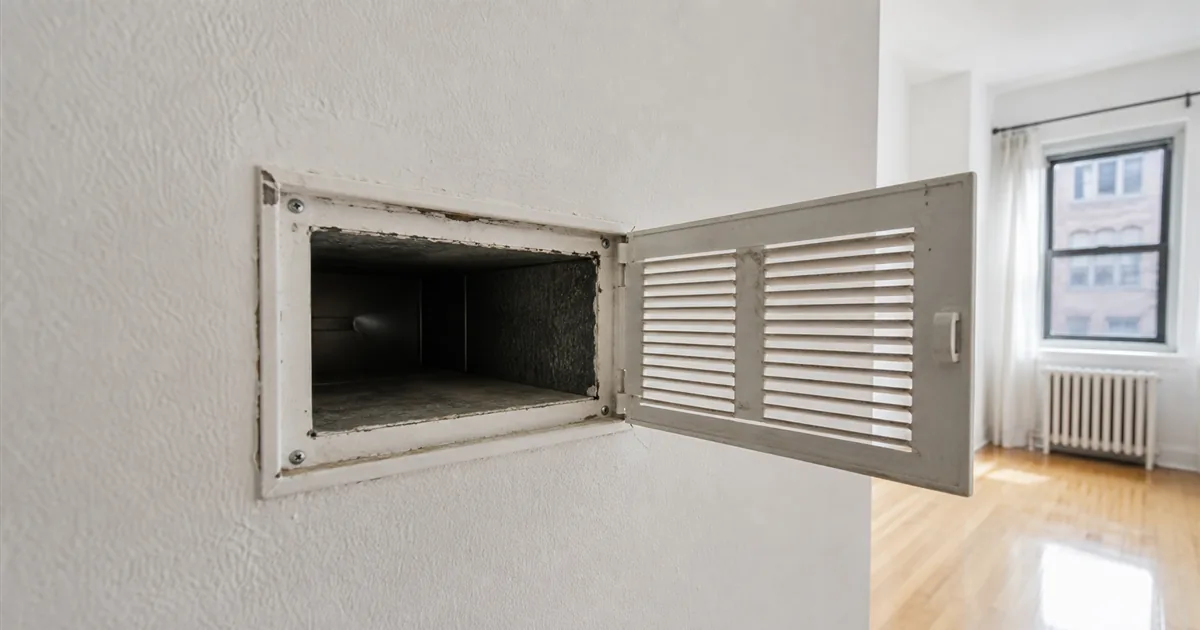
A musty odor when the AC runs can signal duct mold. See how NYC HVAC mold testing works, what gets sampled, and the typical $300 to $800 cost.
Signs Your Ducts May Have Mold
Note the time when the smell occurs. A musty odor when the AC or heat kicks on suggests there's a problem with the unit, filter area, supply vents, or ducts. Visible spotting on a vent should be examined, but color will not reveal the growth.
The pattern in the rooms is important. The same smell in a number of supply vents indicates the common system. A smell confined to a bathroom or closet may have a local origin. Do take pictures of areas you can access before cleaning or replacing a filter. The EPA mold guidance states moisture control is the key, so testing should include a search for condensation, drainage trouble or another water source.
Match what you notice to what it may indicate before you book testing.
| What you notice | What it may point to |
|---|---|
| Musty odor when the AC or heat kicks on | Unit, filter area, supply vents, or ducts |
| Same smell at several supply vents | The common system |
| Smell confined to a bathroom or closet | A local origin |
| Visible spotting on a vent | Worth examining, but color will not reveal the growth |
Why Duct Mold Can Affect Several Rooms
An HVAC system moves air along connected paths. Mold inside accessible equipment or ducts can affect rooms on that path when the system runs. The assessor compares the complaint’s timing and location with the system layout before choosing samples.
Not every musty apartment has duct mold. A wall leak near a return, a damp filter area, or an isolated room source can create a similar impression. Ask whether the affected rooms share one air handler, because connected vents can explain a repeated pattern without proving the source. The assessor examines accessible equipment, duct surfaces, nearby materials, and moisture before choosing air or surface samples.
How HVAC Mold Testing Works, Step by Step
- Notice the pattern. What rooms smell musty, which vents are involved, and does the smell change when the system is turned on or off?
- Check available parts. The assessor checks supply and return areas, filters, visible ductwork and signs of moisture.
- Choose sample sites. Air samples can be taken near supply vents and compared to an outside sample. Growth accessible could get a surface sample.
- Utilize a laboratory. The result shows what was found at each of the labeled locations.
- Pattern interpretation. The assessor compares the findings with the moisture findings and explains whether the evidence points to the HVAC system or another source.
For more on the sampling methods, see our NYC testing guide.
What HVAC Mold Testing Costs
Mold assessment & testing in NYC can cost $300-$800 for a licensed professional. The amount is variable with sample location, size of system and access to equipment or ducts. Ask if the quote covers the visit, lab work and written interpretation.
The low price may include only a visual inspection of one vent. That might miss the question you called about, whether the condition is confined to a register, associated with the air-handling equipment, or present along a broader air path. Request a written sampling plan prior to visiting. The plan should articulate the problem being tested, but not promise a conclusion beforehand.
What Happens After a Positive Test
The assessor should establish the affected part of the system, the source of the moisture, and the degree of correction necessary. For mold work over 10 sq. ft., Article 32 requires a licensed assessor to write a Remediation Protocol, a licensed company to remediate and a licensed assessor to perform clearance testing afterwards.
This article ends at testing because duct cleaning and remediation require a separate plan. Don’t approve general duct cleaning based on a photo without a label or a verbal claim. Use the written assessment to determine what work is clearly supported. After confirmation, our HVAC remediation guide explains the removal stage.
Frequently Asked Questions
How do I know if there is mold in my AC ducts?
A musty smell when the system is on, visible growth on an accessible component and the same problem in adjoining rooms are good reasons to do an inspection. None of these signs prove the presence of duct mold by themselves. Get the system checked by a licensed assessor, look for moisture and take a sample of the suspected source.
Can duct mold make my whole apartment smell?
It can impact rooms that are on the same air path. The system moves air between the equipment and the supply vents. The assessor also should rule out local sources of the odor such as a damp wall near a return or a separate leak before attributing an apartment-wide odor to the ducts.
How is HVAC mold tested?
The assessor inspects accessible equipment and ducts, and may take air samples near selected supply vents and a surface sample from visible suspect growth. Each sample should be identified by location. The laboratory result should be interpreted in conjunction with the system layout and moisture findings.
What does HVAC mold testing cost?
NYC mold assessment and testing usually runs $300 to $800, depending on access and number of samples. Ensure that the quote includes lab charges and the written report. Testing is separate from any subsequent HVAC remediation or duct-cleaning work.
Is mold in air ducts dangerous?
According to the CDC mold guidance, damp and moldy environments can cause nasal, eye, skin, or breathing symptoms in some people, while others experience none. People with asthma may be more susceptible. Talk to a doctor about personal symptoms, and remediate confirmed moisture and mold in the system.
Conclusion The HVAC testing should link the odor, the air path, the sample locations, and the source of moisture. A result without that context is not a complete result.