
Ceiling Mold Removal in NYC: Leaks, Upstairs Units, and Cost
· Daniel Morcombe
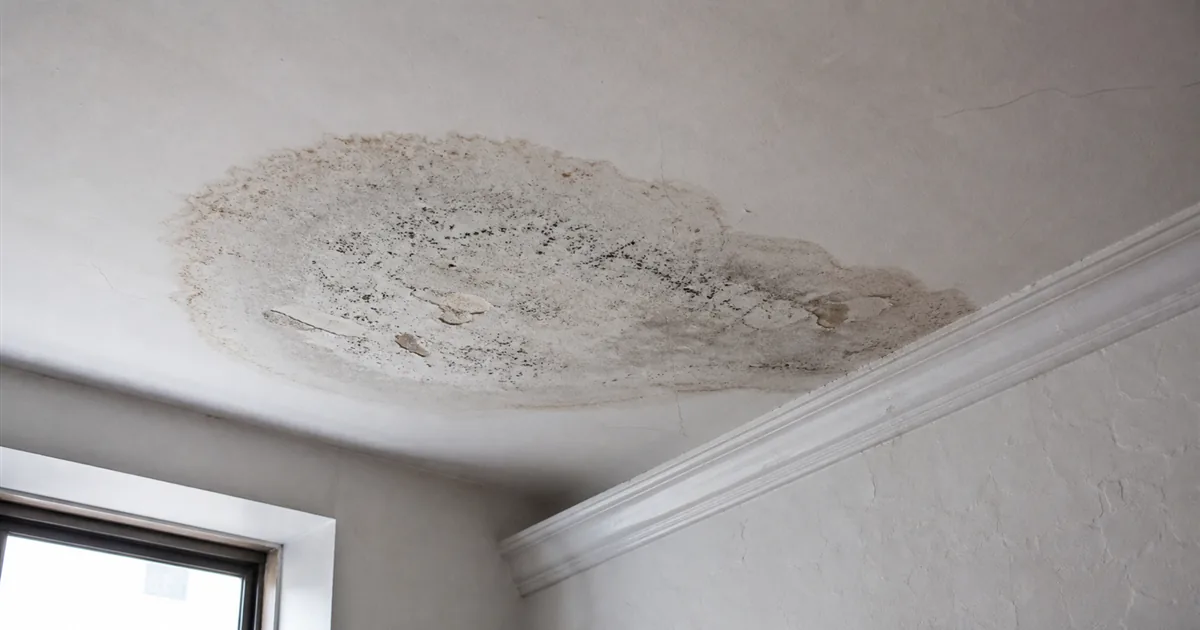
Ceiling mold often means water from a roof, upstairs unit, or pipe. See how NYC removal works and how the source affects responsibility.
Ceiling mold in NYC apartments often points to a roof leak, upstairs plumbing, or a building pipe. Correct the source before removal of impacted porous ceiling material. Landlords must repair mold caused by conditions for which the landlords are responsible.
What Ceiling Mold Says About the Source
Use the location and timing of the stain as a starting point. Changes after rain may be roof or water entry from outside. Growth below an upstairs bathroom may involve plumbing, while pipe water can travel before appearing.
| Possible source | Clue to document | Who may need to act |
|---|---|---|
| Roof or exterior water | Stain changes after rain | Responsible building party |
| Upstairs plumbing | Growth below a wet area | Responsible unit or building party |
| Building pipe | Moisture follows the pipe | Building owner or agent |
The documented source controls the next step.
Roof, Upstairs Unit, or Pipe
Allow the assessor access to the room in question and any repair history that may be available prior to the assessor’s arrival onsite. Pictures taken over time can show if the stain spreads after rain or some other event. If the suspected source is in an upstairs unit, roof area or shared building space, entry may need to be arranged by management.
The center of the stain that you see is not necessarily the pinpoint leak. Water can run along framing or piping before it reaches the surface of the ceiling. The EPA mold guidance stresses correcting the moisture source. Any surface treatment below will fail if water keeps coming in above.
Ceiling Removal and Repair
The assessor records the affected area, the porous material and the source of water. Article 32 requires that a licensed assessor prepare a written Remediation Protocol for work over 10 square feet. A separate licensed remediation company will secure the room, remove moldy ceiling material and insulation, clean the retained structure and dry the area.
Covered remediation is then followed by clearance testing by a licensed assessor. Reconstruction can only start once the area is dry and cleared. Photograph the exposed area before cleaning or rebuilding. Painting over the stain doesn’t remove the mold from the drywall or fix the leak. The water-damage guide continues with the larger response following a leak.
Who Pays When Water Comes From Above
A landlord must fix mold caused by conditions for which the landlord is responsible such as roof, leak or waterproofing problems. In a condo, liability could hinge on whether the water originated from a common element, building system or another unit. Document source prior to assigning bill.
Renters should record the condition and keep copies of photographs, repair requests and assessment records in writing. Keep all notices and repair responses in the same file so the assessment can be matched to the original complaint. Owners must immediately notify management or the unit in question. The detailed responsibility questions are the responsibility of our landlord liability guide and condo responsibility guide.
Why Prompt Action Matters
Shut off active water and notify the person responsible for the source when safe to do so. Keep people away from any loose or damaged ceiling material. The prompt documentation allows the assessor to see the original condition before paint, demolition or drying changes the evidence.
Typical inspection and testing visits are $300 to $800. Small contained single room remediation usually runs $1,500 to $3,500 depending on borough and scope. Actual ceiling quote is based on area, material, access, containment, source repair, and reconstruction. Ask when the source repair will be inspected again. Check licensing with the state mold program.
Frequently Asked Questions
What causes mold on my ceiling?
Common sources include a roof leak, water from an upstairs bathroom or kitchen, or a pipe inside the building. Humidity can also affect bathroom surfaces. An assessor should follow the water path as the visible stain may be some distance away from the original leak.
Is ceiling mold dangerous?
Mold can damage materials and cause some people in the home to develop nasal, eye, skin or breathing problems. Risk varies by person and condition. Do not disturb damaged material. Deal with the water promptly. Talk to a doctor about specific symptoms.
Who pays if the water came from upstairs?
Responsibility is determined by the documented source and property arrangement for the affected property. The parties may be different in the case of a building pipe, common element or condition in another unit. Notify management, document the leak, and use the assessment to assign responsibility.
Can I paint over the ceiling mold?
No. Paint can hide staining but does not remove mold from porous ceiling material or fix the water source. Correct the leak, remove affected material when required, dry the cavity, and complete any required clearance before applying a new finish.
How fast should I act?
Act quickly if water is active, material is damaged or condition is spreading. Stop the source when safe, document the ceiling, and arrange an assessment. Don’t wait for paint to dry over an uninvestigated condition.