
Mold Inspection in Astoria and Steinway, Queens
· Daniel Morcombe
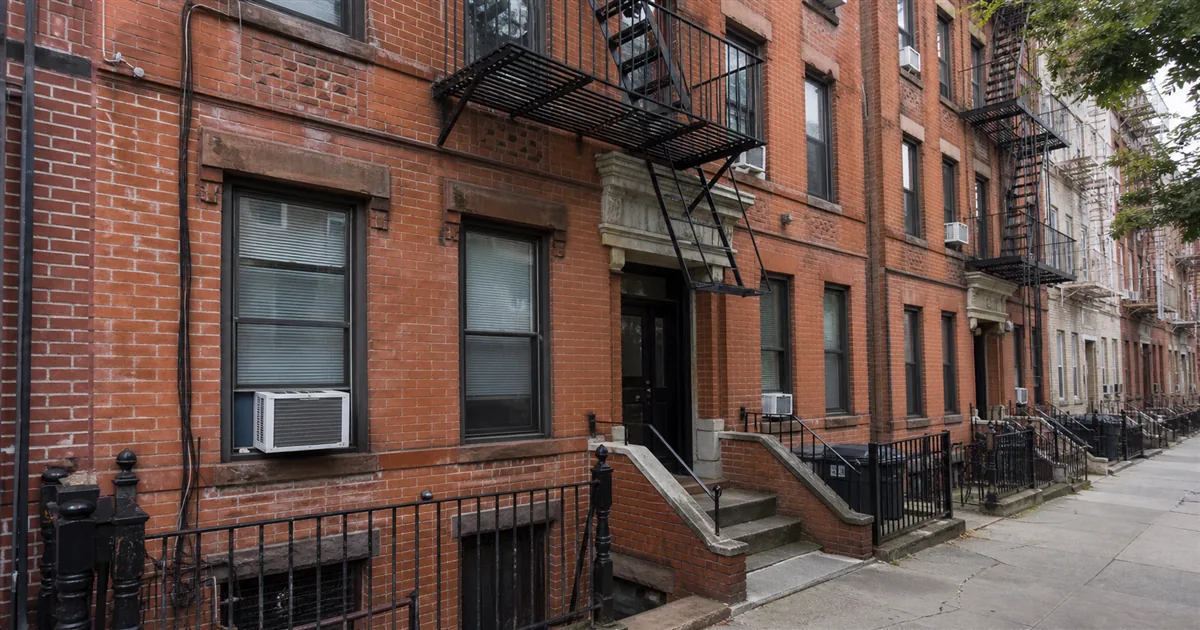
Mold inspection in Astoria, Steinway, and Jackson Heights covers pre-war co-ops, two-family homes, and basements. See what the visit includes.
Local Housing and Mold Hotspots
Building type determines first inspection questions. If it’s a prewar co-op, the assessor may have to trace the staining to a pipe chase or common wall. Access to more than just the room where the mold appears may be needed in a two-family home. The issues with basement apartments are: damp finishes, plumbing, and if moisture is coming in at or below grade.
| Local area | Common housing type | Inspection hotspot |
|---|---|---|
| Astoria | Pre-war co-op | Bathroom ceiling, pipe area, exterior wall |
| Steinway | Two-family home | Shared plumbing, basement, kitchen wall |
| Jackson Heights | Pre-war co-op | Plaster wall, pipe chase, bathroom |
These locations are starting points, not diagnoses. The assessor still has to follow the water in the individual property.
What a Local Inspection Covers
Your visit starts with the condition you reported, such as visible growth, a musty odor, staining or a previous leak. The assessor inspects adjacent surfaces, notes the approximate area, and looks for the source of the moisture. Moisture readings offer a way to compare suspect material with the surrounding area. Sampling is used when it answers a precise question.
The report should identify what was found, where it was found, what material is affected and what source needs correction. For jobs bigger than 10 square feet, a licensed assessor will write a Remediation Protocol before another company starts removal. Check credentials via the state mold program. Our residential inspection guide explains the full visit and report.
Serving Jackson Heights and Nearby Areas
In Jackson Heights and other neighborhoods in Queens, the same licensed process exists, but access varies from property to property. In a co-op, the assessor may have to give management notice before entering a riser or common building area. In a two-family home, the owner may have to make arrangements for access to both units, or to the basement, so that the assessor can trace a common water path. Confirm with management prior to the visit whether the assessor needs proof of insurance, an appointment window or staff access. Building rules vary so check with the managing agent to confirm requirements.
What to Do With the Report
Begin with the water source. Controlling moisture is the key to controlling mold indoors, according to the EPA mold guidance. Repair the leak or damp condition before rebuilding finishes. Then pick the right answer based on the material and area impacted.
An occupant may clean a less than 10 square foot patch on a non-porous surface, such as tile, metal, or glass. Moldy drywall, wood or insulation must be removed. If the area is larger than 10 sq. ft., turn over the independent protocol to a separate licensed remediation company. Retain the original assessment, protocol, remediation records and clearance result together for the property file.
Frequently Asked Questions
Do you inspect homes in Astoria and Steinway?
Yes. NYC Mold Removal Services services Astoria, Steinway, Jackson Heights and surrounding neighborhoods in Queens. When booking, please describe property type, affected room, visible condition, and water history. Please advise us of any co-op or management access requirements, so the visit can cover the complete moisture path.
Are pre-war co-ops in this area prone to mold?
Pre-war plaster and concealed building systems can make moisture harder to see, but building age does not prove mold. When evidence points beyond the apartment, an assessor should trace the leak history, examine finishes suspected to be involved, and arrange access to shared areas when the evidence points beyond the apartment.
How much is a mold inspection?
A licensed NYC mold assessment or testing visit will typically cost between $300 and $600. The amount will depend on the size of the property, access and lab samples. Ask if the quote includes samples, lab charges, written report and clear explanation of findings.
Can you test a basement apartment?
Yes. The assessor should inspect visible conditions, moisture, affected materials and potential water pathways. It may also involve access to a shared basement or building system. If sampling answers a defined question about the apartment, it can assist with the investigation.
How fast can an inspector come out?
Availability varies, ask for the earliest appointment and expected report date. Pre-arrange access to other units, basement or controlled areas within the building. A quick appointment is of less help if the assessor cannot reach the site associated with the leak.
Conclusion An onsite inspection should connect the apparent condition of the apartment with its real source of water and give you a workable written next step.