
Mold Inspection in Queens, NY: Neighborhoods, Process, and Cost
· Daniel Morcombe
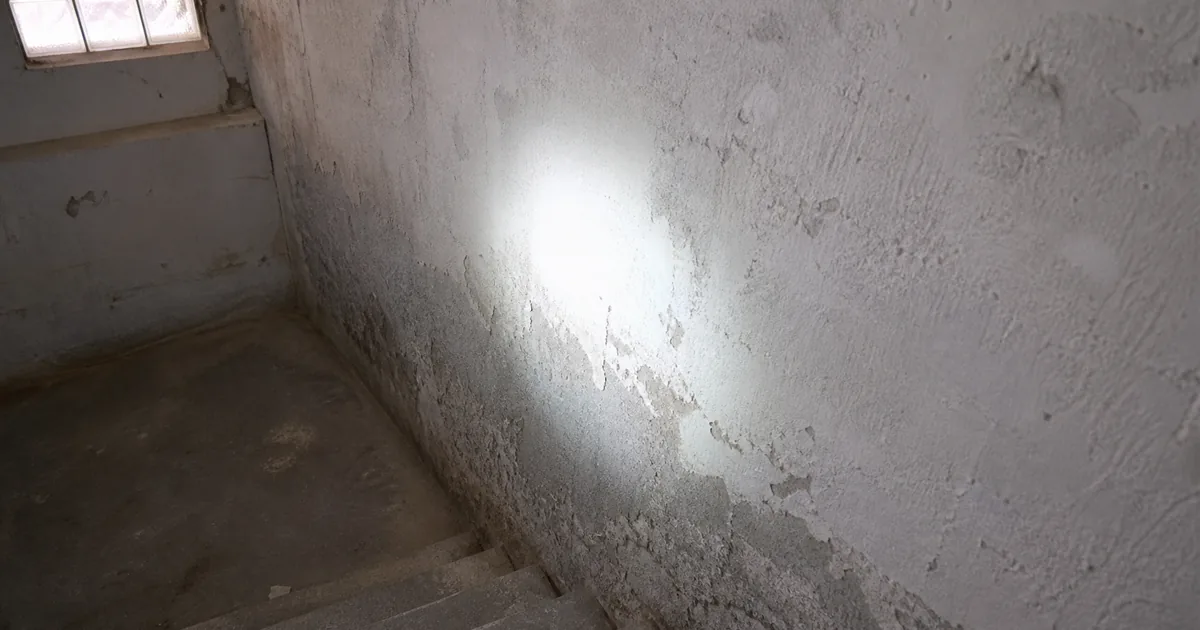
Mold inspection in Queens costs $300 to $800 and covers row houses, two-family homes, and finished basements. See what an assessor checks.

Where Mold Shows Up in Queens Homes
In Queens, inspectors often start in basements, bathrooms, kitchens and rooms next to shared walls. A finished basement can hide damp drywall or flooring. In two-family homes and row houses, the assessor may have to trace the water beyond the room in which the stain is found.
A good assessor will trace the water back behind the visible patch to look at nearby finishes and make a note of the likely source. Ask the assessor to distinguish between current moisture and an old stain, and to describe what nearby surfaces require closer inspection or sampling during the visit. The EPA mold guidance states the same point plainly: Indoor mold control depends on moisture control.
Queens Neighborhoods and Housing Types
The building type changes where a Queens assessor looks first.
| Queens neighborhood | Common housing type | Typical mold hotspot |
|---|---|---|
| Astoria | Pre-war co-op or two-family home | Bathroom walls, pipe areas, basement |
| Flushing | Two-family home | Basement, shared wall, kitchen plumbing |
| Jamaica | Row house or multi-family home | Finished basement, roof or plumbing stain |
| Forest Hills | Garden apartment or co-op | Exterior wall, window area, bathroom |
| Jackson Heights | Pre-war co-op | Plaster wall, bathroom ceiling, pipe chase |
These are inspection priorities, not a diagnosis. The assessor still has to follow the evidence of the individual property. For a neighborhood-level service overview, check out our Queens removal guide.
What a Queens Mold Inspection Includes
The assessor begins with the areas you identified, then looks at adjacent surfaces and likely water paths. The visit should determine visible growth, note the approximate affected area and check for signs of moisture. If it would help answer a useful question the assessor could take an air or surface sample and send it to a laboratory.
The written report should say what the assessor found and where. For areas over 10 square feet Article 32 requires that a licensed assessor prepare a Remediation Protocol before work begins. Remediation is done by a separate licensed company, followed by clearance testing by an assessor. Check credentials with the state mold program.* Our residential inspection guide covers the full visit.*
Typical Mold Inspection Cost in Queens
In Queens, a licensed mold inspection or assessment usually costs between $300 and $600. The price depends on the size of the property, number of areas to be inspected by the assessor, access and number of lab samples. Prior to authorising the visit, request the assessor to indicate whether sampling and the written report are included.
Inspection reveals condition and extent. When Article 32 applies, removal is a separate service. Don't just look at the price of a quote, look at what the quote is providing. A clear quote also names the assessor, describes the property areas covered and states the expected report delivery in writing.
What to Do If the Inspector Finds Mold
Start with the source of the moisture. Correct the leak or damp condition before addressing finishes. If the growth is less than 10 square feet on tile, metal or glass, the occupant may clean it. Because these materials are porous, any mold-contaminated drywall, wood or insulation has to be removed.
If the job is larger than 10 square feet, get a remediation quote from another licensed company using the assessor’s written protocol. Keep inspection reports, protocol, work records and clearance results together. Renters also should inform the landlord in writing if the mold is caused by a condition for which the landlord is responsible, such as a leak or waterproofing problem.
Frequently Asked Questions
How much is a mold inspection in Queens?
A licensed assessment typically is $300 to $800, depending on the size of the property, access and lab sampling. Ask whether the quote includes samples and the written report. Article 32 continues to separate covered assessment and remediation work so removal is priced separately.
Do two-family homes need special testing?
The housing type does not create a separate mold test but it may change the inspection path. The assessor may need to access both units, shared plumbing or the basement to trace moisture. Sampling should be aimed at answering a specific question, not merely to confirm that the property has two units.
Is basement mold common in Queens?
Be suspicious of finished basements where wall and floor finishes may be masking damp materials. A musty smell, staining or recurrent growth should be examined more closely. The assessor should determine the water source and whether porous material is affected.
How soon can I get an inspection?
Availability varies, please inquire about earliest appointment and expected report date prior to booking. If the assessor might need access to another unit, a shared basement or a managed building area to complete the assessment, arrange access to that area before the visit.
Who pays for a mold inspection if I rent?
Moisture source determines responsibility. If the mold is due to landlord issues, such as leaks, roof issues, or waterproofing, the landlord is responsible for fixing it. Give written notice to your landlord and keep the photographs, messages and assessor’s report for reference.
Conclusion A Queens mold inspection should leave you with a source, a documented scope, and a clear next step. Anything less is only a walkthrough.