
Black Mold Inspection in NYC: When to Test and What It Finds
· Daniel Morcombe
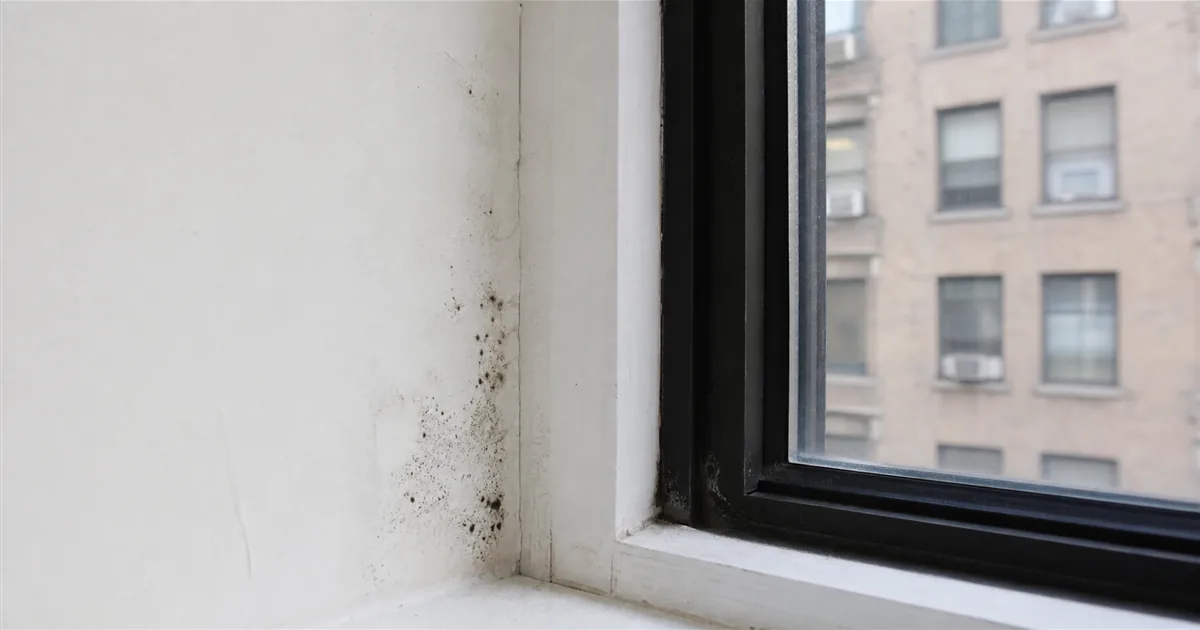
You cannot confirm black mold by sight. Learn when a NYC home needs inspection, what a lab can identify, and the typical $300 to $800 cost.

Why You Cannot Identify Black Mold by Eye
“Black mold” is a visual label, not a lab identification. Depending on the organism, surface and conditions, mold can be black, green, brown, white or some other color. A dark patch may be mold, but its color doesn’t tell you whether it’s Stachybotrys or whether a person will react to it.
CDC mold guidance says that all indoor mold should be removed and moisture repaired, regardless of species. You don’t need to know what species it is before you act on obvious growth in your home. Inspection counts when you want to measure the area, locate the source, assess porous material or have an independent record for larger NYC remediation.
When to Test and When to Clean
Use the size, material, and purpose of the result to decide whether testing adds value.
| Situation | Test or clean? | Why |
|---|---|---|
| Under 10 square feet on tile, metal, or glass | Consider cleaning | Limited area on a non-porous surface |
| Mold on drywall, wood, or insulation | Get an assessment | Porous material must be removed |
| Area over 10 square feet | Licensed assessment | Article 32 applies |
| Growth returns after cleaning | Inspect the source | Moisture remains unresolved |
| Resident has asthma or symptoms | Address mold and call a doctor | Testing cannot diagnose symptoms |
| Landlord, sale, or clearance needs records | Use a licensed assessor | The result has a documentation purpose |
What a Black Mold Inspection Checks
The assessor assesses the visible patch, adjacent material and possible water path. The inspection should document the location and approximate area, determine if the surface is porous, and look for the leak, condensation or damp condition that is supporting the growth. If the source is something that can be concealed, the assessor can recommend a targeted investigation without making the visit demolition.
The sampling should respond to a question asked. A surface sample can help a lab identify the material that was taken from that spot. Air sampling may be done for clearance or for airborne conditions. The methods are in our testing guide. This page is about when to get a black-mold concern checked by a pro.
What the Laboratory Report Can Confirm
A laboratory report can tell whether there is mold present in the submitted sample. It should show the sample label and location so that you can relate the finding to the surface inspected. For air samples, the assessor should discuss the indoor result in relation to the outdoor comparison and the conditions at the time of collection.
The report cannot independently establish that mold caused symptoms or assign a universal pass-fail health number. There are no set acceptable-quantity standards for different molds, and home testing can’t tell you if you might get sick, the CDC says. Use data for its property question, then handle moisture & growth.
What a Positive Result Means for Removal
The basic response is the same if you find mold on a sample in your home: get rid of the mold and fix the water source. The work is dependent on the area and the material affected. The occupant may clean small growth of less than 10 square feet on a non-porous surface; Any drywall, wood or insulation that is moldy has to be cut out and removed.
When a project exceeds 10 square feet a Remediation Protocol must be prepared by a licensed assessor as required by Article 32. Remediation is conducted by a separate licensed company followed by assessor clearance testing. Our black mold removal guide covers that step.* For an evenhanded discussion, read black mold danger.*
Frequently Asked Questions
How do I know if it is really black mold?
Color is not a reliable way to identify Stachybotrys in the home. A lab can test a sample from a surface. If mold is visible it should be remediated and the source of moisture corrected without testing. Test when the species result will be used for a defined purpose.
Is all dark mold toxic?
No, Dark color won't show you what mold could produce or how you'll react. Treat indoor mold as a moisture problem that needs to be corrected. Don’t jump to conclusions based on a picture, color, home test kit, or online description that hasn’t been verified.
When should I pay for black mold testing?
Pay for independent documentation when you need a scope for work over 10 square feet, evidence for a property matter or clearance after remediation. The EPA mold guidance says that if you can see the mold and it is not likely to affect the response, routine sampling may have little value.
What does a black mold test involve?
A licensed assessor will come out and determine whether a surface or air sample will give the answer. Samples are tagged with the location and sent to a lab. The assessor then explains the result with affected material, area and source of moisture.
Who removes black mold after a positive result?
For work exceeding 10 square feet, a licensed Article 32 remediation company performs the removal, following the protocol of an independent assessor. The assessor and the remediator have to be separate companies. Even with smaller conditions, the source of moisture must be eliminated and a porous moldy material removed.
Conclusion Test dark growth when the result has a job to do. A color is not an identifier, a risk score or a remediation plan.