
Attic Mold Removal in NYC: Causes, Fixes, and Cost Factors
· Daniel Morcombe
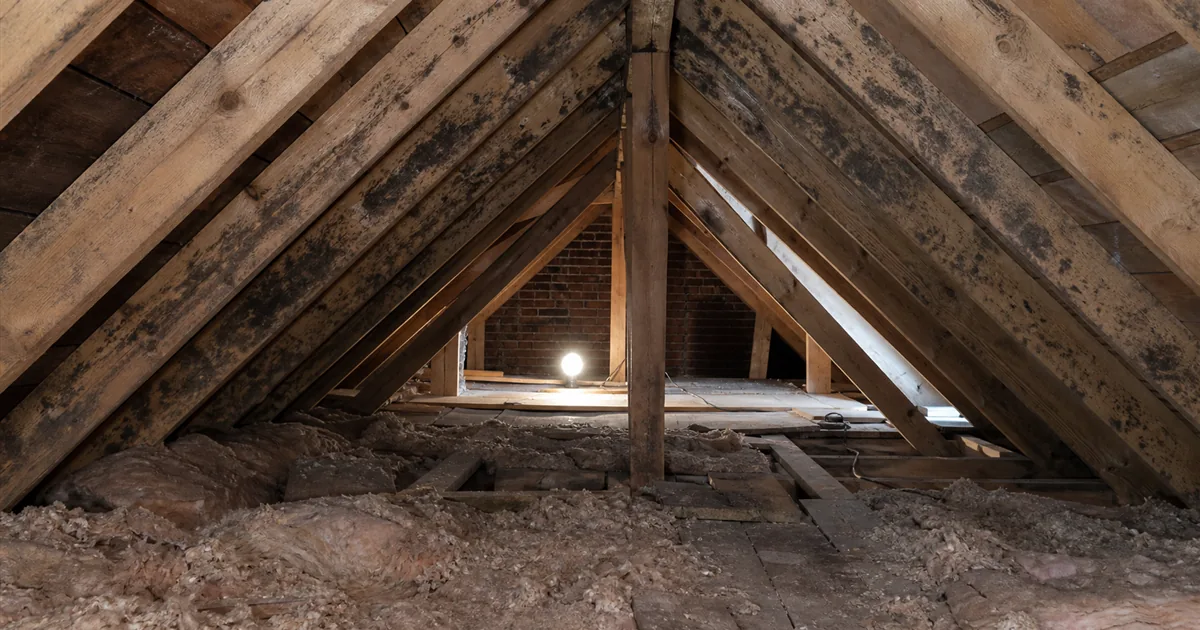
Attic mold can come from roof leaks, weak ventilation, or a bathroom fan venting indoors. See how NYC removal and source repairs work.
Three Common Causes of Attic Mold
Let’s take the water path first. Roof leaks can cause staining below a penetration or damaged area of the roof. Moisture can be trapped in the attic if the ventilation is poor. A bathroom fan that vents into the space adds humid air every time it runs. The pattern and the location and timing help the assessor to distinguish between them.
| Cause | Clue to investigate | Required correction |
|---|---|---|
| Roof leak | Staining or damp material below the roof | Repair the water entry and dry the assembly |
| Weak ventilation | Broad dampness or recurring condensation | Correct airflow for the attic design |
| Bathroom fan vents into attic | Moisture near the duct termination | Route exhaust outdoors |
The table is a diagnostic starting point. A licensed assessment must determine the actual source and affected area.
How Attic Mold Is Removed
The assessor records growth, porous material, and source of moisture. If the work is greater than 10 square feet, the assessor writes the Article 32 Remediation Protocol. That scope is then taken up by a separate licensed remediation company who secures the access path, removes material that cannot be salvaged, and cleans retained surfaces.
The crew has to get out of the area dry before the repairs cover it up and before anyone puts new material in the attic. A licensed assessor conducts clearance after the remediation. Retain the assessment, protocol, remediation records and clearance result. The EPA mold guidance notes that cleanup is not complete until the water or moisture problem has been fixed.
Fixing Ventilation So Mold Stays Gone
The ventilation work must reflect the cause found during assessment. A bathroom exhaust duct should vent moisture out, not into the attic. If the attic design has an airflow problem, then the repair should fix that system without creating a new pathway for water from the outside. A dehumidifier will not fix a leaky roof or a misrouted fan.
When finished, inspect the area for any new staining, dampness or odor. If practical, keep indoor humidity at or below 50%. Respond quickly to water entry. Our mold prevention guide has the general year-round checklist, this article focuses on attic-specific source correction.
Attic Mold Cost Factors
No separate attic removal range exists in the approved project facts so the contractor has to price the assessed scope. The affected area, material, access, containment, and source repair all matter. A tight or awkward entry can change work even when the apparent space looks small from below.
Get the independent assessment first. Then compare quotes on the same protocol. The quote should include material removal, retained surface cleaning, access route protection, debris handling and if roof or ventilation repair is included. Please verify both companies through the state mold program. Inspection and testing typically run $300-$800, remediation is extra.
When the Roof Is the Real Problem
If water is still getting in, surface treatment can’t fix the mold below the roof. Record time of staining change, particularly after rain, and have roof condition assessed. The remediation protocol should be sequenced with the source repair so that new material is not installed against a damp assembly. Save that documentation for the property’s final record.
If the attic was wet due to a known event, refer to the water damage mold guide for the response and drying time line.* *Insurance may depend on how the water got in and policy details. That question is covered in the homeowners insurance guide; don’t assume coverage just because mold is present.
Frequently Asked Questions
Why is there mold in my attic?
The most common sources are a roof leak, poor ventilation or a bathroom fan venting into the attic. The moisture should be tracked before removal and the extent of the affected area should be measured by an assessor. The water may not have entered the visible location alone.
Is attic mold dangerous to the rooms below?
Mold can affect building materials and may contribute to indoor exposure, but risk depends on the person and condition. Avoid disturbing the area and address it promptly. Talk to your doctor about your specific symptoms, especially if you have asthma or a weakened immune system.
Can I paint over attic mold?
No. Paint does not remove growth or fix the moisture source, and coating damp material can conceal the condition. Remove porous material as needed, clean retained surfaces per protocol, correct the water source, and allow the area to dry before finishing.
How much does attic mold removal cost?
There is no approved plan for the attic that includes a verified attic-specific range. Cost varies by area, material, confinement, access and repair of roof or ventilation. First get a licensed assessment and compare written remediation quotes based on the same protocol.
Does insurance cover attic mold?
It depends on the cause and what the policy is. Mold from a sudden covered event may be handled differently than mold from a gradual leak or poor maintenance. Read the policy before you rely on coverage. Document source, damage, assessment and repair.
Conclusion Attic mold removal will only be permanent if accompanied by correction of the roof, ventilation or exhaust problem that provided the moisture.