
Mold Odor and Musty Smell Removal in NYC
· Daniel Morcombe
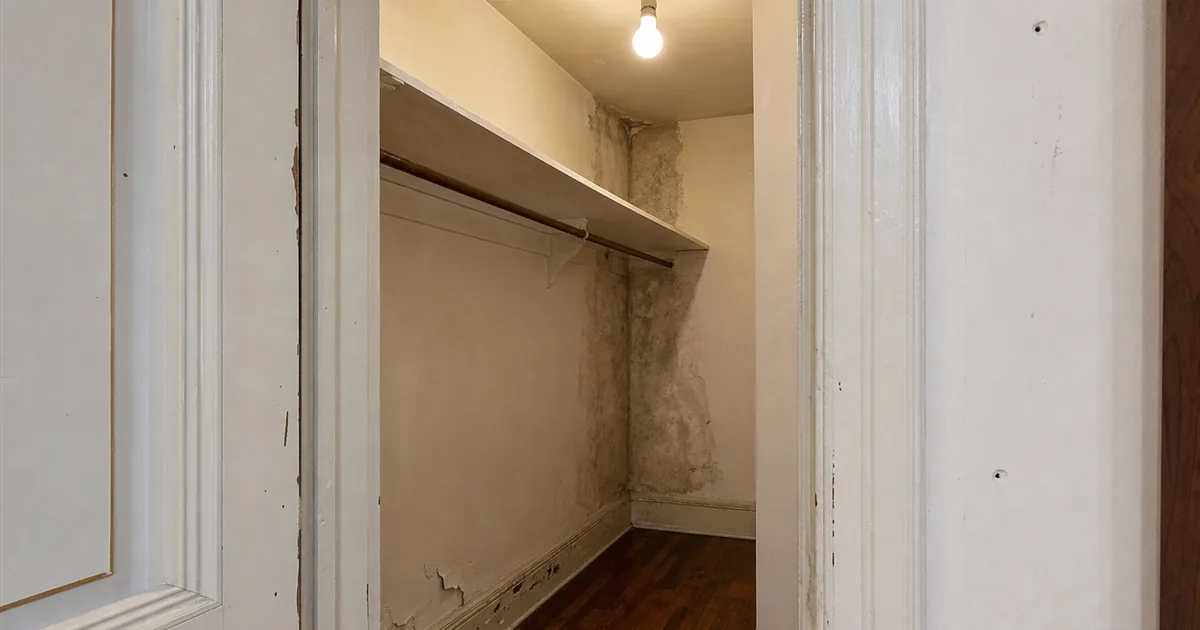
A musty smell can point to mold and moisture. Learn why masking fails, how to trace the source, and what makes odor removal last.
Fragrance and deodorizing are not therapeutic. When mold grows it releases microbial volatile organic compounds that can cause musty odors. If damp material is found moisture is corrected, affected material cleaned or removed and area dried. The removal process is permanent. Look for hidden leaks in crawl spaces and basements.
What Causes a Musty Mold Smell
Molds can produce compounds known as microbial volatile organic compounds or mVOCs. Some smell strongly and may give off the familiar earthy or musty odor. A smell hints at a dampness or mold problem worth checking out, but smell alone can't identify a mold species, affected area, or health risk.
EPA mold guidance indicates a musty smell indicates growth in the building and links permanent control with moisture correction. When mold is seen or smelled, mold should be removed and the moisture problem fixed, according to the CDC mold overview. Take note of when and where the smell is strongest. A change in the smell after rain, use of plumbing, or the operation of air conditioning can help narrow the inspection.
Why Masking and Ozone Do Not Last
Things like air freshener, scented cleaner, candles and fragrance can mask the odor without getting rid of the moisture that’s causing it. A portable air cleaner can trap some particles or reduce some odors but it can’t fix a leak or remove mold from drywall, insulation, carpet backing or other porous surfaces.
Ozone is not a remediation replacement. The EPA says that ozone is a lung irritant and does not work well at concentrations that will not harm public health for the removal of mold or other biological pollutants in indoor air. Do not use an ozone generator in an occupied space. If the smell is gone with a treatment but the wet material is still there, the smell or growth will come back. First comes source correction.
Finding the Hidden Source
Start where the scent is strongest and compare materials and water courses. Avoid random demolition. Photographs, moisture readings and leak history direct a targeted inspection.
| Where the smell is strongest | Likely hidden source to investigate |
|---|---|
| Below a bathroom or kitchen | Plumbing leak or wet ceiling cavity |
| Near a window or exterior wall | Water entry or condensation |
| Inside a cabinet | Sink connection or damp wall behind it |
| At a floor edge | Wet baseboard, flooring, or wall cavity |
| In a basement | Foundation moisture, plumbing, or stored material |
Our hidden mold detection guide explains targeted tools without treating one reading as proof.
Removing the Source and Clearing the Odor
First, fix the roof, pipe, drain, opening to the outside or humidity condition that kept material wet. Then remove mold-contaminated porous material to the extent required by the scope, clean retained hard surfaces, and dry the cavity. Odor should be assessed after those steps, not as a shortcut around them.
Article 32 requires licensed professionals for work that exceeds 10 square feet, and it also separates assessment from remediation. The assessor writes the Remediation Protocol; the remediation contractor follows it; and the assessor performs post-remediation assessment. Do not rebuild before the area is dry and cleared. You may also need to clean or throw away soft goods or stored items in the vicinity. Our crawl space mold guide covers an odor source that is easy to miss
When the Smell Signals a Bigger Problem
Escalate the investigation if the smell recurs after cleaning, permeates rooms, is accompanied by staining or swollen material or changes when a building system runs. Repeated cleaning inside a unit might not resolve odor in multiple apartments, which could be from shared plumbing, a cellar, roof area or ventilation equipment.
Odor intensity should not be used to estimate medical risk; health care provider consultation should be obtained if occupants are symptomatic. A faint smell may still indicate hidden dampness, and a strong smell does not identify toxicity. Keep the environmental question separate: find the wet material and correct it. Our guide to hidden mold signs points out the building clues that deserve a second glance.
Frequently Asked Questions
Why does my apartment smell musty but I see no mold?
Growth can be behind a wall, under flooring, inside a cabinet, above a ceiling, or near an air conditioner. Stored items can also smell musty. Locate the area of strongest odor and plan a targeted inspection for moisture and material conditions prior to opening any finishes.
Do ozone machines remove mold smell?
Ozone does not dry out wet porous material or fix the source of the water. EPA says ozone is not effective at removing mold at concentrations within public-health limits, and ozone is a lung irritant. Never run an ozone generator in occupied space.
Can I remove the smell without removing the mold?
Not reliably. Air cleaning or fragrance will mask the odor for a short time, but it does not solve growth within wet material. Fix the source of moisture, remove or clean the affected material within the proper scope, and dry the area before judging the remaining odor.
Is a musty smell dangerous?
Smell alone is not a measure of exposure nor can it predict an individual’s health response in that home. Some people get nasal, eye, skin or breathing symptoms because of mold. Check the building for safety, and ask a health care provider about symptoms or personal medical risk.
What if the smell is in the basement?
Check for plumbing leaks, exterior water, condensation, damp finished walls, wet stored items, and moisture at the floor edge. A dehumidifier can help with the humidity, but not the water coming in. Find the source before you start stripping finishes or deodorizing the room again and again.