
What Does Hidden Mold Look and Smell Like?
· Daniel Morcombe
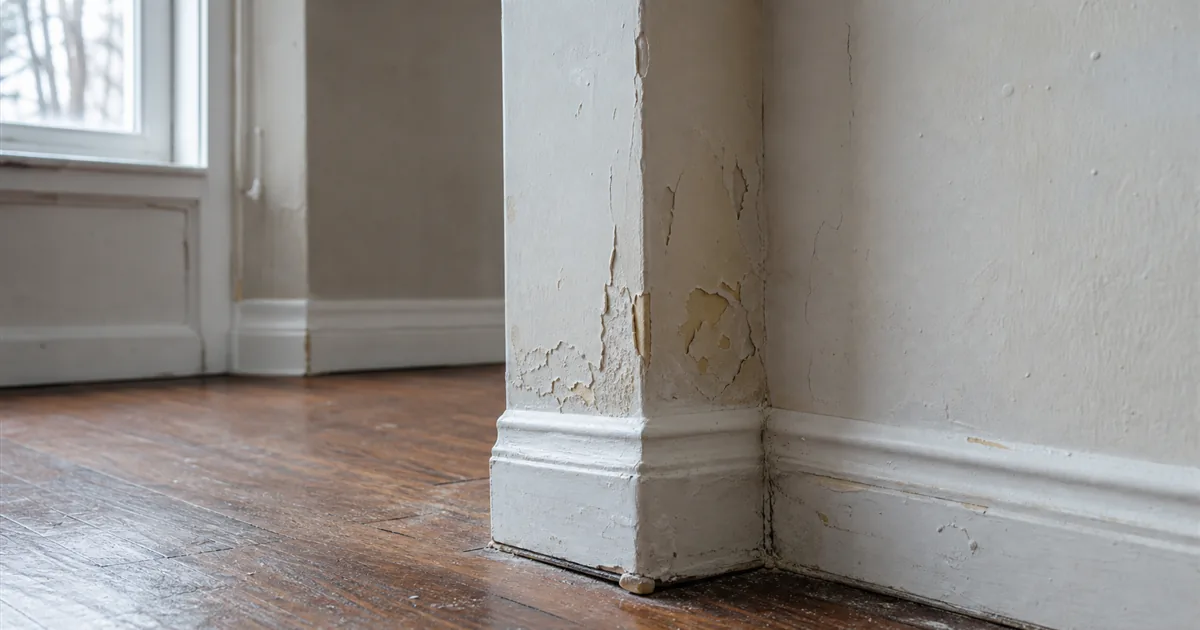
A musty smell, recurring stains, bubbling paint, and warped finishes can signal hidden mold or moisture in an NYC apartment.
The Musty Smell and What It Means
Molds can produce microbial volatile organic compounds that have strong odors, creating the well-known stale or earthy odor. The EPA mold guidance says a moldy odor is a sign of growth and should be investigated. The odor does not specify a species, affected area or health risk.
Take note of where the smell is strongest and when it changes. Compare rainy weather, plumbing use, closed-room periods, and air-conditioner operation. If you smell something near a single cabinet, you'll want to search differently than if you smell something throughout a basement. Don't mask it with fragrance or ozone. If the odor comes back after cleaning the surface, there is likely still moisture or affected material. The useful question is not how to conceal it, but what damp material is causing it.
Visual Signs Behind a Finished Surface
No single visual clue proves hidden mold, but several justify a closer assessment.
| Sign | What it may mean |
|---|---|
| Stain that returns after painting | Leak or damp material remains |
| Bubbling or peeling paint | Moisture behind the coating |
| Swollen baseboard or drywall | Porous material absorbed water |
| Warped flooring | Water reached the floor assembly |
| Rust at a pipe or fastener | Recurring condensation or leakage |
| Condensation on a cold wall | Local humidity and surface cooling |
| Spotting at a wall edge | Growth may extend behind the finish |
Photograph the original condition. Do not sand, cut, or paint it before the water path is documented.
Where Hidden Mold Hides in NYC Apartments
Start around plumbing and exterior water paths: below bathrooms, inside sink cabinets, next to pipe chases, around window walls, under roof leaks, behind a finished basement wall. Check floor edges after water damage, the wall behind large furniture pieces, AC sleeves, closets on outside walls, and ceilings below another unit.
Water may flow through framing or pipes before it becomes visible so the stain may not be directly below the source. In co-ops, condos and rentals access to an adjoining unit, roof, cellar or common system may be required for inspection. The first step is not random demolition. We describe targeted openings and material removal in our mold behind walls guide.
Sensory Clues Versus Confirmation
Odor, staining, peeling paint, and warped material may assist in an inspection, but they do not identify the species of mold or quantify exposure. A symptom pattern that improves away from home is also merely a clue, because many indoor conditions change when a person leaves. A health care provider evaluates symptoms. An assessor evaluates the building.
CDC does not recommend routine home testing and points out that there are no established standards for acceptable levels of mold. In NYC, a defined source, hidden-extent, legal, real estate or remediation-scope question can still be addressed by licensed assessment or targeted sampling. Our hidden detection guide explains the tools. Our testing decision guide explains when samples add value.
What to Do When You Spot the Signs
Report leaks in writing to the responsible party. When safe, stop active water. Photograph the sign, note dates and changes, and keep people away from loose or damaged material. Do not point a fan at suspected growth, or close a wet cavity with fresh paint or drywall.
If the condition is hidden, recurring, widespread, or connected to another unit or building system, get a licensed assessment. For work over 10 square feet, Article 32 requires a licensed assessor, written Remediation Protocol, separate remediation company, and post-remediation assessment. Instead of waiting for a species name, the CDC mold guidance recommends eliminating mold and addressing the moisture problem.
Frequently Asked Questions
What does hidden mold smell like?
Inside the building it is often described as musty, earthy, stale or damp. Odor can help an investigation but it cannot identify a species or prove the area affected. Find out where and when it is strongest and then look for moisture and damp material.
What does mold behind a wall look like?
You might not see any mold. Exterior indicators include repeating stains, bubbling paint, softened drywall, swollen trim, or warping. These are signs of moisture or damage to the material. Confirmation requires inspecting the source and affected assembly, sometimes through a targeted opening.
Where does hidden mold hide?
Typical inspection areas are sink cabinets, pipe chases, walls under bathrooms, ceilings under roof or upstairs leaks, window walls, floor edges, exterior-wall closets, basements, crawl spaces and AC sleeves in the apartment. Don't check locations randomly, follow the water path.
Is a musty smell always mold?
No. Other building conditions, and damp materials in the property, can also smell stale or earthy. A musty smell that won’t go away requires an inspection for water, visible damage and hidden growth. Smell alone does not prove species, scale or health risk.
How do I confirm it?
Have a licensed assessor check water history, accessible materials, moisture conditions and concealed areas. Targeted sampling can answer a defined question but random air testing can not replace source tracing. Unless you have a written reason and plan, do not open walls.
Conclusion Follow the stain, odor, and water history to the material.