
Bathroom Mold Removal in NYC: Grout, Ceilings, and Tile
· Daniel Morcombe
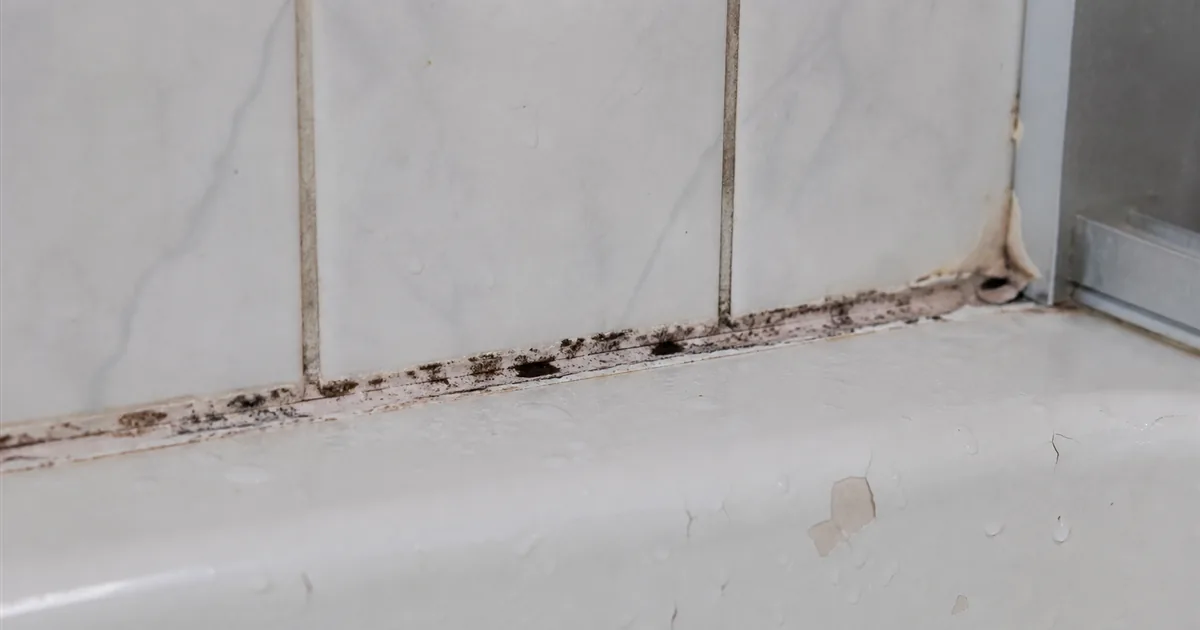
Small mold patches on bathroom tile may be cleaned, but ceiling or behind-tile growth can mean water inside the wall. See when to call a pro.
Where Bathroom Mold Grows and Why
Showers, plumbing and condensation give bathrooms moisture. You’ll see surface growth on grout, caulk, tile edges or anywhere water collects. A stain on the ceiling might mean plumbing or other water problems overhead. Damage to the tile or soft wall material can indicate moisture behind the finish.
Location is more important than color. Dark growth on caulk is not necessarily Stachybotrys, and a clean looking tile surface doesn’t mean no damp drywall behind it. EPA mold guidance says indoor mold control is moisture control. The first thing to do is figure out if the problem is shower humidity, failed sealing, plumbing, or water coming in from another unit.
What You Can Clean Yourself
| Bathroom surface or condition | DIY or professional? | Reason |
|---|---|---|
| Small patch on tile, metal, or glass | DIY may be appropriate | Non-porous and under 10 square feet |
| Limited surface growth on grout | DIY may be appropriate | Cleanable surface when no deeper damage is present |
| Recurring growth on caulk | Investigate moisture first | Cleaning alone may not stop the source |
| Moldy drywall or wood | Professional | Porous material must be removed |
| Growth behind tile or above ceiling | Professional | Hidden water and material removal may be involved |
Use gloves and eye protection. Ventilate the area. Dry the cleaned surface. According to the CDC’s mold guidance, do not mix bleach with ammonia or any other cleaners. * For a complete small-job decision, use our DIY cleanup guide.*
When It Is More Than Surface Mold
If the wall feels soft, a tile is loose, paint is bubbling, a stain on the ceiling is getting bigger or mold returns after several cleanings, call a professional. Those clues suggest water may be leaking into porous material. The affected area behind the finish can be larger than the visible patch.
Just look, don't open a wall or pull tile. A licensed assessor can record moisture and identify if targeted access is needed or not. Article 32 mandates that an assessor prepare a Remediation Protocol and a separate licensed company perform removal for mold exceeding 10 square feet. We explain in our process for mold behind walls guide.
How Professionals Remove Deeper Bathroom Mold
The affected area, material and water source are defined by the assessor. The remediation crew protects the room, removes any unsalvageable porous material (moldy drywall, wood, insulation, etc.), and cleans the retained structure per protocol. Water or plumbing entry needs to be corrected prior to reconstruction closing the area.
After work over 10 square feet, a licensed assessor performs clearance testing. Keep the assessment, protocol, remediation record, and clearance result. Small contained bathroom or single-room remediation generally runs $1,500-3,500 depending on scope and borough. That range does not guarantee a price for behind tile or ceiling work. The actual job must be defined in the written assessment.
Keeping Bathroom Mold From Returning
Turn on bathroom exhaust fan that pushes humid air out of the house and leave it on long enough to get the shower moisture out. Keep indoor humidity below 50%. Drain standing water. Fix plumbing leaks immediately. Blowing fan air into a ceiling cavity is not the solution to the moisture problem.
Look for recurrence of odor, staining or finish damage in the repaired area. Repeated growth indicates the source or impacted material was not adequately processed. The full prevention checklist is elsewhere; this article focuses on bathroom-specific control. If the question is whether dark bathroom growth is particularly dangerous, read black mold danger for a measured answer.
Frequently Asked Questions
How to remove mold from bathroom grout?
For small areas (< 10 sq. ft). Wash area wearing gloves and eye protection, dry completely and increase ventilation. Do not mix bleach with ammonia or any cleaner. If growth returns, check for moisture instead of reapplying surface treatment.
Is bathroom mold always black mold?
Nope. Many molds can be dark and color can not be used to identify mold species. The species usually doesn't alter the practical answer: remove the growth and fix the moisture. Use laboratory identification only if the result will be used for a specific purpose of a property.
Why does mold keep on returning in my shower?
Repeated growth means there’s still moisture or that the affected material wasn’t fully addressed in the bathroom. Check for ventilation, standing water, caulk, plumbing and adjacent porous finishes. If the same place appears again after cleaning, a professional should check for a more serious source.
When should I call a professional?
Call if mold is over 10 square feet, is on drywall or wood, is behind tile, is the result of a ceiling leak or if it comes back after cleaning. Article 32 requires separate licensed assessment and licensed remediation for a covered job. Do not open a hidden area without a plan.
Can a bathroom fan prevent mold?
A good fan that vents to the outside will cut down on shower humidity and help dry out surfaces. It can’t fix a plumbing leak, or remove mold that has already set into porous material. Maintain humidity at or below 50 percent. Eliminate any standing water source.
Conclusion Bathroom mold is manageable when you match the response to the surface and fix the water before repairing the finish.