
Signs You Need a Mold Test in Your NYC Apartment
· NYC Mold Removal Services
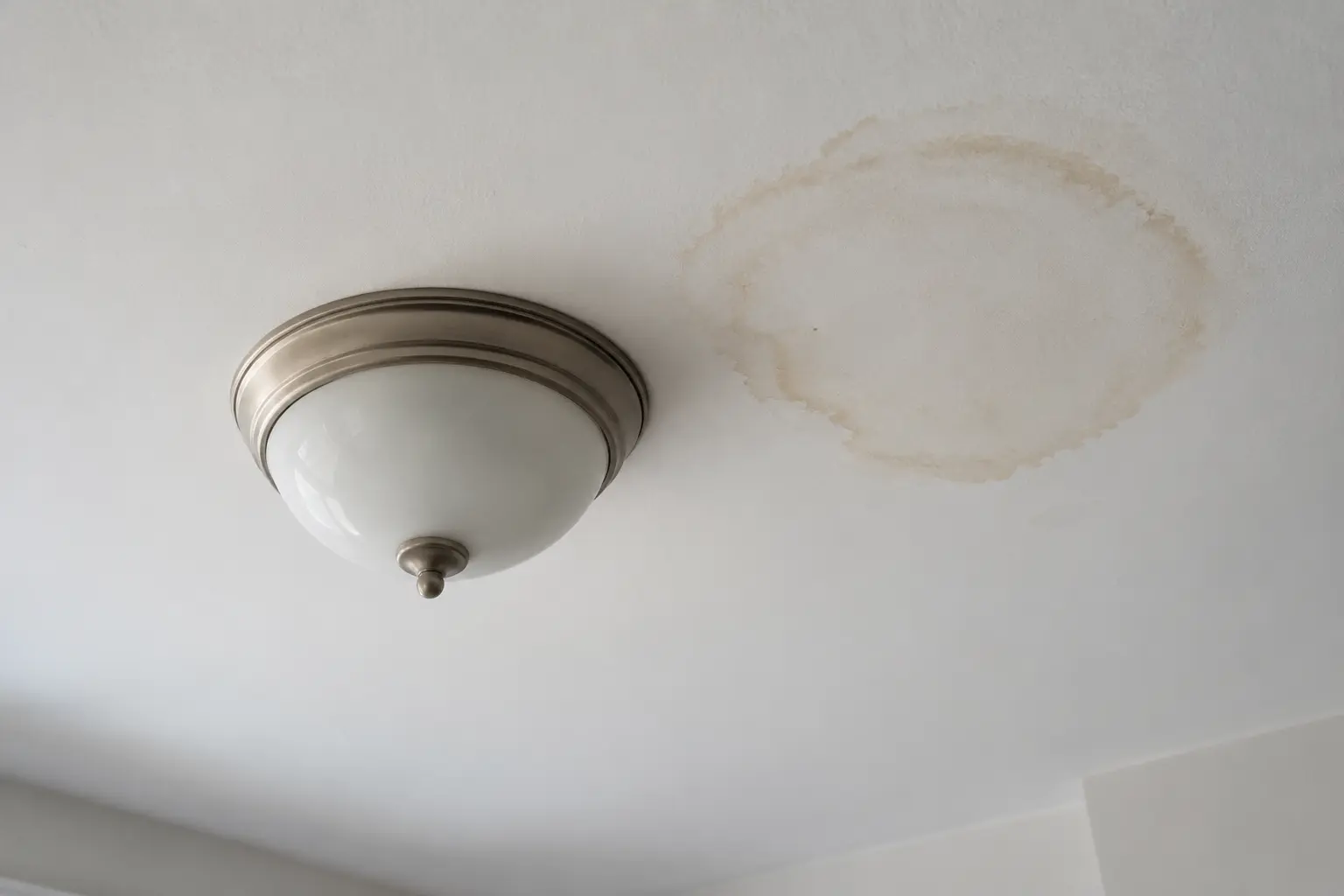
Seven situations where a licensed mold test earns its cost in NYC, and the common cases where testing adds a bill without changing the plan.
Testing is worth paying for when the result changes what you do next. That is the whole test. If you already know where the water is and you can see the affected material, a lab report usually confirms what the plan already was. If something is unresolved, the source, the extent, the record, a licensed assessment is the thing that resolves it.
Here are the situations where it earns its cost.
1. A Musty Odour With No Visible Source
The smell of microbial growth is produced by compounds released as material decays. It travels through wall cavities and behind cabinetry, which means the odour frequently appears in a room that has no growth in it at all. This is the single strongest case for an assessment, because the thing you need is not confirmation that mould exists, it is a location. See mold odor and musty smell removal.
2. Growth That Keeps Coming Back After Cleaning
Recurrence means the moisture source was never corrected. Cleaning the surface addresses the symptom on a cycle. An assessment with moisture mapping identifies whether the water is a leak, a condensation condition, or a ventilation failure, three problems with three different fixes.
3. Symptoms That Improve When You Leave the Apartment
A pattern where congestion, cough, or eye irritation lifts on holiday and returns within a day of coming home is worth investigating. This is a reason to look, not a diagnosis, only a physician can connect a symptom to an exposure. But it justifies the assessment. Mold and asthma in NYC covers what the research supports.
4. A Dispute Where You Need a Record
If a landlord, board, or managing agent is saying there is no problem, your own account of the smell is not evidence. A licensed assessor's written report, with sample locations and lab identification, is. This is the one case where you are buying documentation as much as information. See independent mold testing when your landlord says there is no mold.
5. Before Buying
A pre-purchase assessment is cheap relative to what it can surface, and it is the last moment you have leverage. Standard home inspections are not licensed mould assessments and generally do not include sampling. Pre-purchase mold testing for a Manhattan apartment covers the specifics.
6. After Water Intrusion That Was Not Dried Properly
Material that stayed wet past roughly 48 hours is the standard concern window. If a leak was mopped up and the wall was never opened or dried with equipment, growth inside the cavity is plausible and invisible. Mold after water damage in NYC covers the first 48 hours.
7. After Remediation, Before Closing the Wall
Clearance is not optional on a job over 10 square feet, an assessor independent of the remediation contractor must verify the area. Even on smaller jobs, a clearance test before reconstruction is the only way to know the work succeeded before it is concealed.
When Testing Does Not Earn Its Cost
| Situation | Why testing often adds little |
|---|---|
| Visible growth under a known active leak | The leak still gets fixed and the material still comes out |
| Small surface growth on bathroom grout | Under 10 sq ft, non-porous, cleanable without a protocol |
| General anxiety with no symptom, odour, or water history | Nothing for the sample to confirm or rule out |
| Wanting a "spore count" as a safety score | There is no legal spore-count threshold in New York |
That last one is worth repeating. New York sets no regulatory airborne limit, so no number on a lab report declares an apartment safe or unsafe. The value is in the assessor's interpretation against an outdoor control and the site conditions, not in the figure itself. Our mold testing guide explains how results are read.
What It Costs
A licensed assessment in NYC generally runs $300 to $800, with sampling typically within the $300-to-$600 range depending on sample count. Confirm before booking whether laboratory fees are included and whether the written interpretation comes with the raw lab sheet. See the inspection cost guide.
Frequently Asked Questions
I can smell mold but cannot see it. Is that enough reason to test?
Yes, it is the strongest single reason. A musty odour with no visible source means the growth is concealed, and locating it is exactly what a licensed assessment with moisture mapping is for. The odour commonly appears in a room with no growth in it, having travelled through a wall cavity.
Will a mold test tell me if my apartment is safe?
No. New York sets no legal airborne spore limit, so no result crosses a safety threshold. An assessment tells you what is growing, where the moisture is, and how large the affected area is. Health questions belong with a physician.
Do I need a test if I can already see the mold and know about the leak?
Often not. If the source is known and the affected material is visible, the plan is the same with or without a lab report: fix the water, remove the material. Testing becomes necessary again at the clearance stage, which is required on jobs over 10 square feet.
Is a home mold test kit good enough?
Not for a decision or a dispute. Retail settling-plate kits are uncontrolled and uncomparative, and will grow something in nearly any apartment. They are not accepted as documentation in a landlord dispute or an HPD matter.
How soon after a leak should I test?
The concern window for material staying wet is roughly 48 hours. If a leak was properly dried with equipment within that period, testing is often unnecessary. If the wall was never opened and dried, an assessment is worth doing rather than waiting for an odour to appear months later.