
Black Mold Symptoms: Health Risks and When to Test
· NYC Mold Removal Services
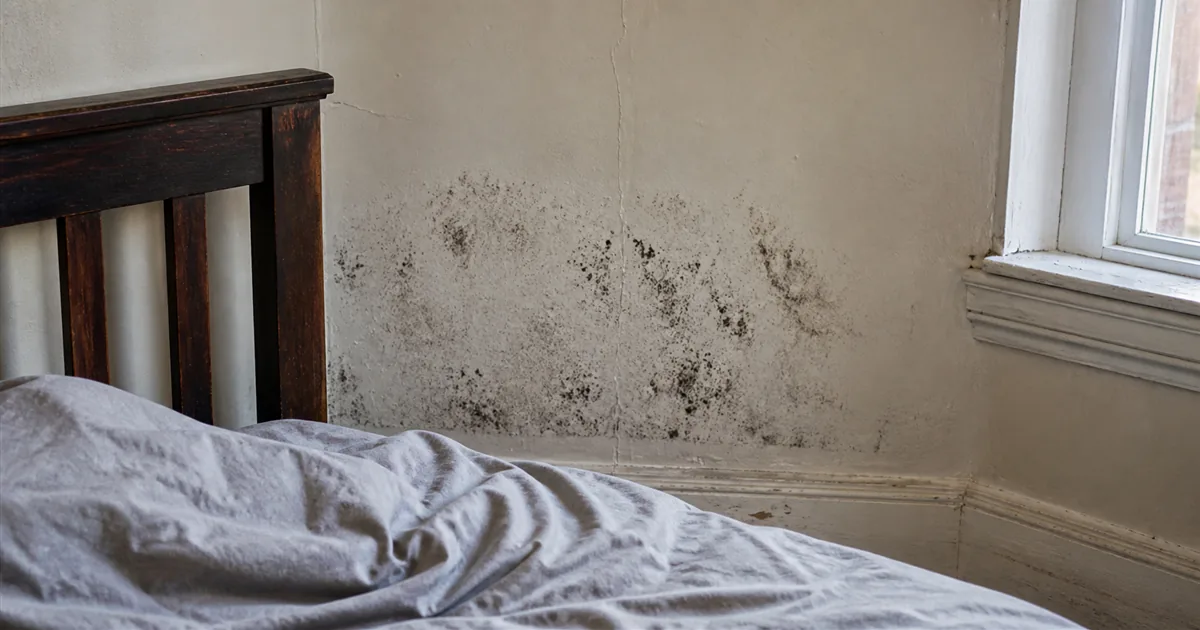
Mold may cause stuffy nose, cough, wheeze, burning eyes, or skin irritation. Learn when to call a doctor and when to assess the home.
Symptoms Associated With Mold Exposure
CDC mold guidance states that damp and moldy environments can cause health effects in some persons but not others. The most commonly reported effects are allergic, respiratory, eye and skin symptoms. The EPA mold guidance likewise notes allergic reactions, irritation, and asthma effects.
| Symptom | Important note |
|---|---|
| Stuffy or runny nose | Can resemble other allergies or infections |
| Sore throat or cough | Nonspecific; discuss persistent symptoms with a clinician |
| Wheezing | Requires added caution for people with asthma |
| Burning, red, or itchy eyes | May reflect irritation or allergy |
| Skin irritation or rash | Can occur after contact in sensitive people |
| Shortness of breath | Seek medical guidance promptly, especially if severe |
A table cannot diagnose a person or establish the building source.
Who May Be More Vulnerable
People with asthma or mold allergies may have more severe reactions. The CDC also lists people with immune suppression or chronic lung disease as at risk for lung infections from mold. These categories do not predict what will happen to an individual person, and a home test is not a substitute for a medical evaluation.
Children, older adults and anyone who cannot clearly describe respiratory symptoms should be closely monitored and referred to a clinician. Never deliberately put a person in a moldy environment to see if the symptoms come back. Follow the asthma or other care plan if your clinician has given you one. Also, stop the source of moisture in the building and avoid disturbing the wet material.
The “Better When I Leave” Clue
A pattern that improves away from the apartment and returns after time at home can help a clinician or assessor ask better questions. Document the room, activity, date, duration, weather, use of HVAC, odors and visible dampness. Also note other changes away from home, including pets, dust, pollen, smoke, work exposures or infections.
That is a pattern, not a proof of mold causation. When a person leaves a building a lot of things change and you can’t tell by looking at the symptoms which one is important. Use the record in two different conversations: a provider evaluates the individual and a licensed assessor explores water, material and mold conditions in the property.
When to See a Doctor or Assess the Home
If you have persistent, worsening or concerning symptoms seek medical attention, and immediately if you have severe difficulty breathing. Talk about asthma, allergies, immune status, lung disease, and when symptoms started with your provider. Don’t have a remediation contractor diagnose a health condition.
If you see growth, notice a musty odor, experience water damage or need to determine hidden extent and source, assess the home. CDC does not recommend testing the home for mold as there are no health-based standards for acceptable levels. In NYC, a licensed assessment or targeted sampling can still answer a building, legal, real-estate, or remediation-scope question. Our guide to black mold inspection explains the difference.
What Symptoms Cannot Tell You
Symptoms cannot be used to identify Stachybotrys or any other species. The CDC says no test can prove that Stachybotrys chartarum is associated with specific health symptoms and that it is not necessary to identify the type of mold before removing indoor growth. Color doesn’t mean one patch is more dangerous than another.
Symptoms also don’t let you map the area that is affected, locate a leak, measure exposure or set a remediation scope. Those are building questions. This is our guide to the dangers of black mold and we will tell you about the danger without the hype. Once the source and scope are known, the black mold removal guide covers the licensed work for that specific property.
Frequently Asked Questions
What are black mold symptoms?
Possible health effects from mold include: nasal stuffiness or eye irritation, cough, or wheezing. They are not specific to black mold and cannot prove cause. Talk to a healthcare provider about symptoms that are worrisome or that don’t go away.
Can mold cause asthma attacks?
Mold can cause asthma attacks in people who have asthma and are allergic to mold, the EPA says. Do not permit exposure at home. Follow the individual’s medical care plan. Correct moisture and growth indoors. If your breathing gets worse, go to the doctor.
Why do I feel better when I leave home?
The pattern might be a clue to something in the indoor environment, but it does not prove that the mold is the cause. Write down when and where symptoms change and give that timeline to a clinician and the building-condition info to an assessor.
Is black mold worse than other mold?
Color alone does not determine greater danger in NYC. The CDC says that toxic molds such as Stachybotrys should be treated like other indoor molds for the purpose of assessing risk and removal. Any growth indoors means moisture has to be corrected and the affected material dealt with.
Should I see a doctor or test my home first?
Do both tracks promptly according to the problem. The clinician evaluates symptoms, especially ongoing or serious breathing issues. A licensed assessor evaluates visible growth, odor, water damage, source, and scope. Environmental testing does not diagnose a person or prove medical causation.
Conclusion Treat the symptoms medically, and the source of the moisture environmentally.