
How to File a 311 Mold Complaint in NYC
· NYC Mold Removal Services
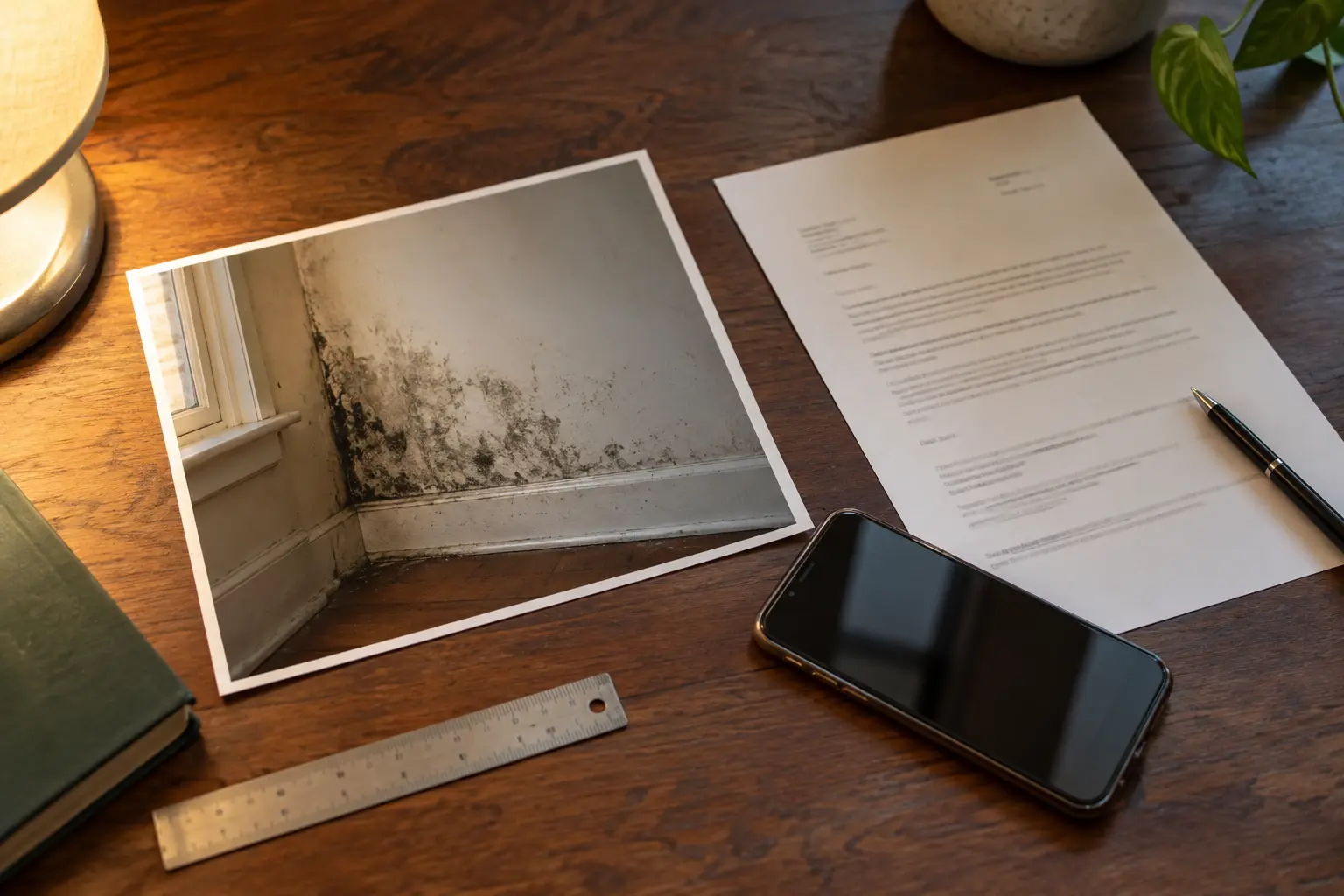
A step-by-step guide to reporting mold to your landlord, filing with 311 and HPD, what inspectors look for, and what happens after a violation.
The 311 and HPD route works, but it works on a documentary basis. An inspector who arrives to a tenant with dated photographs, written notice to the landlord, and a clear location gets a different result from one who arrives to a verbal account. The preparation matters more than the call.
Step One: Notify the Landlord in Writing First
Before anything else, report the condition to the landlord or managing agent in writing. Email, a dated letter, or the building's portal, anything that creates a timestamped record. A phone call to the super is not a record.
State the specific location, when you first noticed it, any water event you are aware of, and a request for inspection and repair. Keep the sent copy.
This step matters for two reasons: many conditions get resolved here without escalation, and the written notice establishes the date the owner knew about the condition, which is the fact everything downstream depends on.
Step Two: Build the Record
Before the inspector arrives, assemble:
- Photographs with a scale object, a ruler, a phone, anything that establishes size. Area is the variable that determines the entire regulatory path.
- Dated images over time if the condition is spreading.
- Water event history, when the ceiling leaked, when the radiator failed, when the upstairs bathroom flooded.
- Your written notice and any reply.
- A symptom and access log, including any missed or refused repair appointments.
Step Three: File With 311
File by phone at 311, through the 311 online portal, or in the 311 mobile app. Report it as a mold or housing maintenance condition in a residential unit.
| What they will ask | Have ready |
|---|---|
| Full address and apartment number | Exact unit designation as it appears on the lease |
| Specific location of the condition | "Bathroom ceiling, above the tub", not "the bathroom" |
| How long it has been present | First-noticed date from your log |
| Whether the landlord was notified | Date of your written notice |
| Contact number and access availability | Realistic windows when someone can let an inspector in |
Record the complaint or service request number. Everything afterwards references it.
Step Four: The HPD Inspection
HPD schedules an inspection and someone must be present to provide access. This is where complaints most often fail, a missed appointment can close the complaint and require refiling.
The inspector assesses visible conditions. Important to understand: an HPD inspector is not performing an Article 32 mold assessment. They are determining whether a violation condition exists under the housing maintenance code. They do not sample, they do not write a remediation protocol, and they do not identify species.
Step Five: The Violation
If the inspector finds a condition, HPD issues a violation against the property with a class reflecting severity and a correction deadline. Mold conditions are generally treated as hazardous. The owner is required to correct the condition and certify the correction within the stated period.
What a violation is: a legal record against the property, a deadline, and exposure to penalties. What it is not: a work order HPD performs. The city is not coming to remediate your apartment. The violation compels the owner.
For the owner's side of closing one out, see how to close an HPD mold violation and NYC landlord mold liability.
If Nothing Happens
Escalation paths when the deadline passes without correction:
- Refile with 311 to document the continuing condition and create a second record.
- HP action in Housing Court. A tenant can bring a proceeding to compel repairs. The documentary record you built is what carries it. See independent mold testing in a landlord dispute.
- An independent licensed assessment. Where the landlord disputes that there is a problem, an Article 32 assessor's written report with lab identification is substantially stronger evidence than an HPD visual finding.
- Rent withholding is legally risky and should not be undertaken without advice. Our post on whether NYC tenants can withhold rent for mold sets out why.
This is general information, not legal advice. For a specific dispute, speak to a tenant attorney or a legal services organisation.
NYCHA Residents
NYCHA has its own complaint and escalation structure, separate from the HPD route, with obligations arising from litigation specific to the authority. See NYCHA mold: resident rights and how to escalate.
Frequently Asked Questions
Do I have to tell my landlord before filing a 311 complaint?
You are not required to, but you should. Written notice creates a dated record of when the owner knew about the condition, which is the fact that matters most in any later dispute, and many conditions are resolved at this stage without escalation.
Does HPD test for mold?
No. An HPD inspector makes a visual determination of whether a violation condition exists under the housing maintenance code. They do not collect samples, identify species, or write an Article 32 remediation protocol. That is the role of a licensed mold assessor.
How long does the landlord have to fix a mold violation?
The correction period depends on the violation class assigned. Mold conditions are generally treated as hazardous, carrying a shorter deadline, and the owner must both correct the condition and certify the correction to HPD within the stated period.
What if I miss the HPD inspection appointment?
The complaint can be closed without a finding, and you will generally need to refile. Because access is the most common failure point, give 311 realistic availability windows rather than optimistic ones, and arrange for someone to be present.
Will HPD remove the mold from my apartment?
No. HPD issues a violation against the property that compels the owner to correct the condition within a deadline. The city does not perform the remediation. If the owner does not comply, the escalation is a Housing Court proceeding, not a city work crew.