
NYCHA Mold: Resident Rights & How to Escalate
· NYC Mold Removal Services
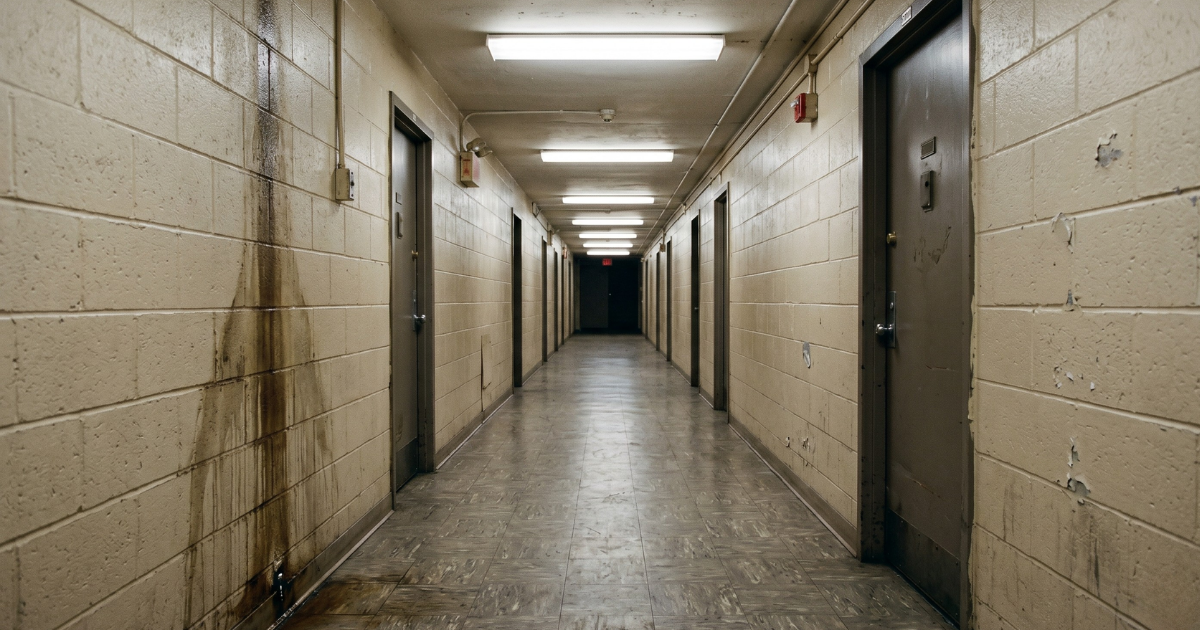
NYCHA must inspect within 7 days of a mold complaint and remediate within 15. Here's how to file and escalate.

Once a mold complaint is confirmed, NYCHA has 7 calendar days to inspect the apartment and 15 calendar days to complete remediation. These aren't internal targets — they're federally mandated obligations under court consent decrees that followed lawsuits from the New York Civil Liberties Union and the Natural Resources Defense Council. Federal monitoring reports show NYCHA has missed these deadlines in a significant number of cases, and residents who know the complaint process and escalation ladder get better results than those relying solely on NYCHA's internal system.
NYCHA's Required Response Times
Under the consent decree and NYC Local Law 55, NYCHA must:
- Inspect a reported mold condition within 7 calendar days of a confirmed complaint.
- Complete mold remediation within 15 calendar days.
- Repair the underlying defect — a leak, pipe failure, or window condition — within that same 15-day period if it caused the mold.
These timelines apply across all five boroughs, with no exceptions for building age, funding limitations, or staffing constraints.
How to Properly File a NYCHA Mold Complaint
- Customer Contact Center (718-707-7771) — call and get a Work Order number; write it down as your tracking reference.
- MyNYCHA.com or the NYCHA app — both create a timestamped record; screenshot the confirmation and save it.
- A notice letter to your complex's property management office, sent by certified mail or email with a read receipt, creating a separate non-NYCHA record.
- Photograph and video all affected areas with timestamps before filing and throughout the process.
If 7 calendar days pass without an inspection, the deadline has already been missed and escalation is warranted immediately.
Escalation When NYCHA Misses Deadlines
- NYCHA Ombudsman — an independent office created to investigate unresolved resident complaints; file online at nyc.gov/nycha.
- HPD complaint at 311 or hpdonline.hpd.nyc.gov — HPD can inspect NYCHA buildings and issue its own violations, and the standard 24-hour correction rule applies to a Class C mold violation the same as it would for a private landlord.
- Federal NYCHA Monitor — the court-appointed Monitor overseeing NYCHA's compliance with the consent decree; filing with the Monitor creates a paper trail in the federal oversight process.
- Legal Aid Society's NYCHA practice group — can bring emergency HP actions in Housing Court against NYCHA for missing court-ordered maintenance timelines, free for income-qualifying residents.
Priority for Apartments With Young Children
The consent decree includes a priority provision for mold complaints in apartments where a child under 6 lives. Stating this clearly in every complaint document provides for an expedited inspection and remediation schedule.
What NYCHA Remediation Must Include
NYCHA's remediation contractors must hold a valid NYS Mold Remediator license under Article 32, and assessment must be done by a NYS Licensed Mold Assessor. Residents can ask for contractor license numbers and verify them at labor.ny.gov. Independent licensed assessor clearance testing is also required after remediation — if NYCHA staff or contractors say clearance testing isn't required, that's incorrect, and it should be raised directly with the NYCHA Monitor's office.
Frequently Asked Questions
How do I prove NYCHA missed the 7- or 15-day deadline?
Your NYCHA Work Order number and its generation date are the main proof. Screenshot the status on MyNYCHA.com showing the complaint date and any recorded inspection or completion dates, and add your own timestamped photos showing mold present after the deadline.
Can I hire my own mold remediation contractor and bill NYCHA?
Residents can pay for their own remediation and seek reimbursement through Housing Court, but need to document that NYCHA was notified, didn't respond within the required time, and that the work was necessary for habitability. Contact the Legal Aid Society's NYCHA practice group before taking this step.
Does the consent decree cover mold in common areas?
Yes — it applies to all areas of NYCHA-managed buildings, including hallways, laundry rooms, basements and mechanical spaces, filed through the same contact center process as unit complaints.
The mold keeps coming back no matter how many complaints I file — what can I do?
This pattern is specifically cited in federal Monitor reports as a consent decree violation. File directly with the federal Monitor's office, engage the Legal Aid Society's NYCHA practice group, and document every prior work order, remediation date, and recurrence date — a chronic pattern without a fixed moisture source is a separate violation, and NYCHA must fix the source within the same 15-day window.
If NYCHA can't fix the mold in my apartment, can they move me to another unit?
NYCHA can offer emergency transfers when a unit is temporarily uninhabitable, but you can also choose to stay and receive proper remediation in place. If NYCHA is pushing a transfer instead of remediation, contact the Legal Aid Society before agreeing to anything.