
Can NYC Tenants Withhold Rent for Mold?
· Daniel Morcombe
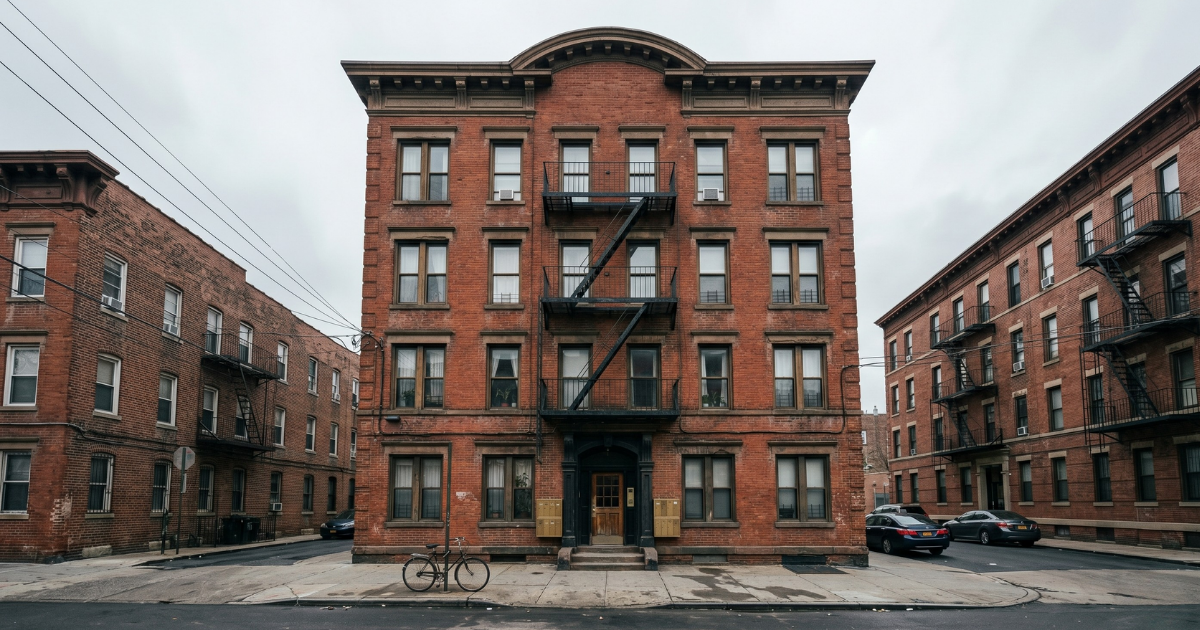
Unilateral rent withholding risks eviction. HPD complaints, DHCR rent reduction and Housing Court are the tools that actually work.

NYC tenants can't simply stop paying rent on their own because of mold, that's treated as non-payment, and the landlord can move to evict within days. But tenants can legally place rent into a court escrow account through Housing Court's rent-withholding process, and rent-stabilized tenants can petition the DHCR for a rent rollback. The fastest first step is an HPD complaint, which triggers a mandatory inspection; if mold is found, the landlord faces fines and a 24-hour correction clock for Class C violations. Keep paying rent and use the legal tools that actually force action.
Why Stopping Payment Backfires
When a tenant has complained about mold for weeks or months with no result, withholding rent can feel like the only leverage left. But under New York law, withholding rent unilaterally, without a court order or legal process, is treated the same as any other non-payment, and the landlord can take you to Housing Court within days.
That doesn't mean you have no power, it means the leverage has to come through the correct channels, and those channels are real.
Step 1: Document and Demand Before Litigation
- Photograph and video all affected areas with timestamps.
- Notify your landlord in writing (email or certified letter) describing the mold, its location, and the likely water source, this formal notice is required before most legal remedies can be triggered.
- Keep a record of every communication: replies, broken promises, missed appointments, failures to act.
- See a doctor if you have symptoms, and have any respiratory or allergy conditions linked to mold exposure documented in your medical record.
Step 2: File an HPD Complaint
Filing an HPD complaint is free, fast and legally binding, file at hpdonline.hpd.nyc.gov or call 311. If an inspector finds mold, the landlord is served a Notice of Violation:
- Class C (Immediately Hazardous): correction within 24 hours, with daily fines up to $10,000 for non-compliance and possible Housing Court action.
- Class B (Hazardous): 30 days to fix.
- Class A (Non-Hazardous): 90 days to correct.
An open HPD violation also strengthens every other step below. NYCHA residents should separately review the federal consent decree's own inspection and repair timelines.
Step 3: Rent Reduction for Rent-Stabilized Tenants
If you're rent-stabilized, you can file a Rent Reduction Complaint with the NYC Division of Housing and Community Renewal (DHCR) on the basis of a reduction in housing services, mold that renders a room uninhabitable qualifies. Local Law 55's annual inspection requirement for buildings with three or more units is another compliance hook worth citing in the complaint. If DHCR rules in your favor, your rent is rolled back to the last registered amount until the landlord proves service has been restored.
Step 4: Rent Escrow in Housing Court
Once you've filed the HPD complaint and documented the violation, and the landlord still hasn't acted, you can bring an HP action in Housing Court. A judge may order you to pay rent into a court escrow account instead of directly to the landlord, releasing the funds only once the violation is corrected and confirmed. This is a court-supervised process, not unilateral withholding, so it protects you from eviction while still forcing the landlord's hand.
Step 5: HP Action to Enforce Remediation
An HP action asks the court to order the landlord to fix HPD violations, and emergency HP actions are available for Class C mold violations, sometimes reaching court within days. Legal aid organizations offer free help with HP actions in all five boroughs, and the court can hold a landlord in contempt for failing to complete licensed remediation within a court-ordered timeframe.
Rent Reduction vs. Withholding
Rent reduction through DHCR or Housing Court is a legally protected remedy, not unilateral withholding, and that distinction matters. Withhold rent on your own and you risk eviction for non-payment; use DHCR rent reduction or court-ordered rent escrow and you're protected.
Frequently Asked Questions
How much time do NYC landlords have to fix mold after I complain?
Once an HPD violation is issued: 24 hours for Class C, 30 days for Class B, 90 days for Class A. Without a violation, courts have held that a "reasonable time" for an immediately hazardous mold condition can be as little as 24 to 48 hours after written notice.
Can my landlord evict me for reporting mold to HPD?
No. New York's anti-retaliation law (Real Property Law Section 223-b) bars eviction or rent increases in retaliation for filing an HPD complaint, and your landlord can't evict you within 90 days of the complaint unless they can prove an unrelated legal reason.
My landlord sent a cleaning crew with bleach spray, is that legal mold removal?
No. Article 32 requires a licensed remediator working from a written Remediation Protocol whenever mold covers more than 10 square feet or is on porous materials. A cleaning crew with bleach isn't Article 32 compliant, won't cure an HPD violation, and often drives mold further into the material instead of removing it.
Can mold get me out of my NYC lease?
If the apartment is genuinely uninhabitable and the landlord hasn't acted after notice, constructive eviction may apply, New York courts have accepted severe, untreated mold as grounds. Talk to a housing attorney before moving out, since leaving without the proper legal process can expose you to liability.
Is there free legal help for NYC tenants with mold issues?
Yes, the Legal Aid Society, Legal Services NYC, Mobilization for Justice, and Housing Court Answers all assist tenants with mold-related HP actions and DHCR complaints, and each borough courthouse has a Housing Court Resource Center that helps tenants file HP actions without an attorney.