
Mold Removal in Harlem and Upper Manhattan
· Daniel Morcombe
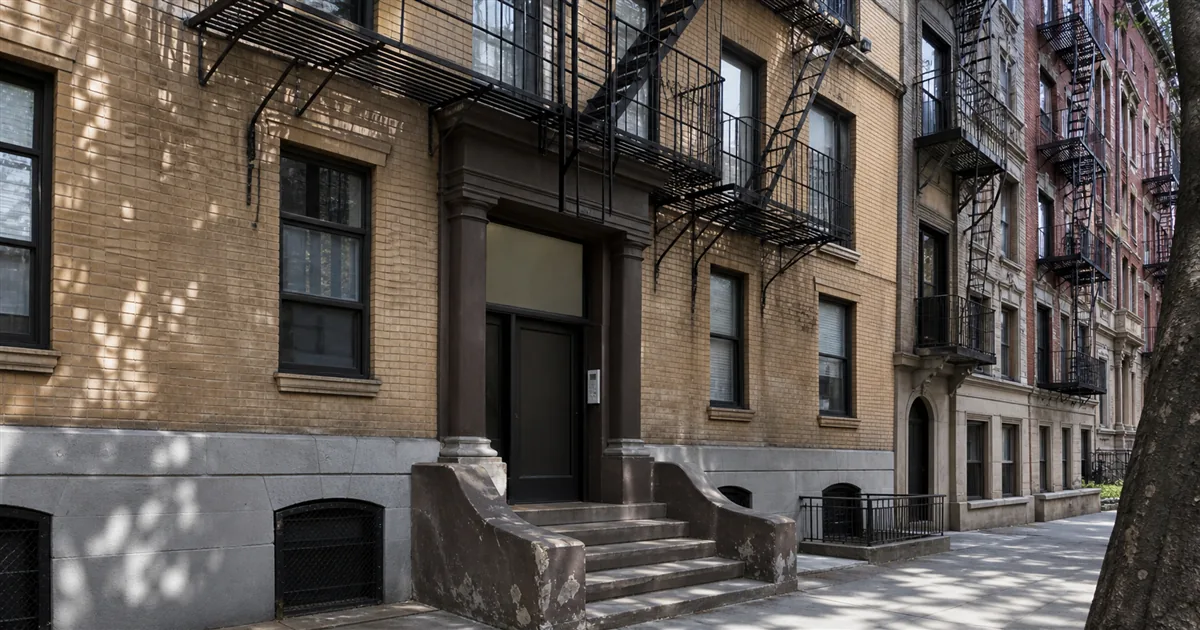
Mold removal in Harlem and Upper Manhattan addresses pre-war plaster, aging plumbing, and top-floor leaks through licensed remediation.
In Harlem and Upper Manhattan, mold removal is often involved in pre-war brownstones and walk-ups, where plaster walls, aging plumbing and leaks on the top floors can harbor moisture. For anything over 10 sq. ft. you need licensed Article 32 professionals, with assessment and remediation handled by separate companies and the water source corrected before rebuilding.
Why Upper Manhattan Buildings Hold Moisture
Plaster finishes can hide a water path until paint bubbles, stains spread or a musty odor develops. Stacked kitchens and bathrooms can place one apartment beneath the plumbing of another unit. The rooms on the top floor add the roof and the outside wall to the inspection. The right starting point is the history of leaking, not the color of the growth.
| Building feature | Why it may hold or conceal moisture |
|---|---|
| Layered plaster wall | Water can move behind the finished face |
| Stacked wet rooms | A leak may appear in the apartment below |
| Pipe chase | Shared plumbing can affect more than one unit |
| Top-floor ceiling | Roof or exterior water may enter above |
| Finished cellar wall | Porous material can cover damp masonry |
Document dates, photographs, odors, and prior repairs before opening or repainting a surface.
Pre-War Plaster and Aging Pipes
The assessor should be able to differentiate surface spotting from water-damaged plaster, lath, drywall, wood or insulation in a cavity. The inspection can start with non-destructive observations and moisture readings and if justified recommend a targeted opening. And large demolition without a scope can spread debris and remove evidence of the leak.
The licensed assessor prepares a Remediation Protocol for covered work. An independent licensed remediator establishes containment, removes affected porous material, cleans retained surfaces and dries the area. Assessor returns for post remediation evaluation before reconstruction. Check out both companies through the New York State Mold Program. Our pre-war apartment mold guide covers these layered assemblies in depth.
Walk-Ups and Top-Floor Leaks
Access in a walk-up forms the work. Occupied stairways and corridors may be used to transport equipment, protected waste and replacement materials. The protocol should define the route and work-area protection. For a top floor leak, access to the roof may be needed, controlled by the owner or managing agent. Arrange that access before remediation day.
The ceiling or wall should be closed only after the leak has been repaired and the cavity has been dried. Painting a stain does not correct roof water, plumbing water, or mold inside porous material. NYC Health mold guidance suggests that owners and tenants fix leaks and dry out damp areas. Our Manhattan apartment mold removal guide explains planning for occupied units.
Landlord Responsibility in Rentals
A landlord must fix mold caused by conditions the landlord controls. Tenants are required to report mold and leaks in writing, retain photographs and the response to repair, and not disturb the material affected. If the source is in the roof, exterior, shared plumbing or other controlled area, management may need to arrange access and repair.
The next decision is controlled by the documented source. A landlord shouldn’t assign a bill just because of where a stain is located, and a tenant shouldn’t be robbed of the original evidence by painting or removing a stain too soon. Our landlord mold liability guide owns the detailed rules. For work over 10 square feet, keep the assessor and remediator separate and retain the protocol and clearance records.
Frequently Asked Questions
Do you serve Harlem and Upper Manhattan?
Yes. NYC Mold Removal Services serves Harlem, Washington Heights, and other Upper Manhattan neighborhoods throughout the borough. Planning starts with the room affected, leak history, building access and if a roof, shared pipe or adjacent unit must be inspected.
Why are pre-war buildings prone to mold?
Mold does not come with age. It is caused by moisture getting into layered plaster, wood, insulation or later renovations. Old plumbing, roof leaks and hidden cavities can make tracing more complicated so check the water path before deciding what to remove.
Who pays if I rent?
A landlord must fix mold caused by conditions for which the landlord is responsible. Get the condition in writing and save photos and responses. The assessment shall document the source of water prior to the parties’ determination of responsibility for remediation or repairs.
How much does it cost?
Assessment and testing usually costs between $300 and $600. A contained bathroom or single room remediation is usually $1,500 to $3,500. The actual quote following source inspection will depend on the affected area, materials, access, containment, source repair, clearance and reconstruction.
How fast can you respond?
Scheduling depends on availability and access to the apartment, roof or adjacent unit at time of service. If water is active, immediately notify management, shut off the source if safe to do so, and record original condition prior to repair change.