
How to Prevent Mold in Your NYC Apartment Year-Round
· Daniel Morcombe
Prevent mold by keeping humidity under 50%, venting moisture, and drying leaks within 24 to 48 hours. Use this NYC prevention checklist.
Keep Indoor Humidity Under Control
Don’t just judge the room by its comfort, use a hygrometer to measure humidity. CDC advises keeping home humidity at 50 percent or less to prevent mold. Always observe more than one room, and more than one time of day, especially when moist.
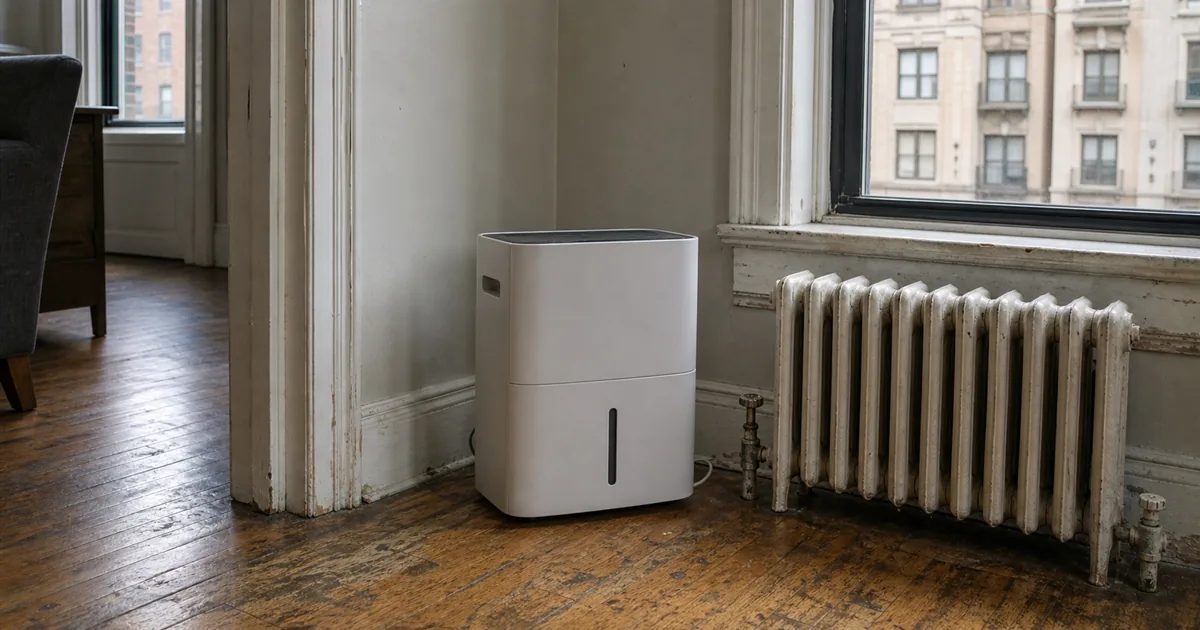
You might also think about using an air conditioner or dehumidifier to reduce indoor humidity, but be sure the device is draining properly and kept clean also. Empty or route the collected water as instructed by the manufacturer. Keep furniture and stored items away from cold outside walls to let air circulate throughout. If one wall stays damp but the rest of the room reads normal, look for water entry or condensation instead of more dehumidification for the entire apartment.
Vent Moisture Where It Starts
Run bathroom and kitchen exhaust fans when they are producing moisture, and make sure they are vented to the outside. A recirculating device will circulate air but will not remove water vapor from the apartment. Use a towel to dry wet surfaces, then leave the room open so any remaining moisture can evaporate.
Avoid packing closets tightly against exterior walls. Open closet doors periodically and keep damp coats, towels and shoes out until dry. Do not aim a fan at visible mold because it can move particles. Airflow prevents, not remediates after growth has taken hold, if surfaces are clean. The EPA mold guidance emphasizes prevention through control of water and moisture.
Fix Leaks and Dry Materials Fast
Act on roof, window, pipe, drain, appliance, or air-conditioner water immediately. Stop the source when safe, photograph the condition and give written notice to the responsible person. Dry wet areas and materials in 24 to 48 hours. If the material is porous and cannot be dried, removal may be necessary rather than surface treatment.
Look beyond the puddle. Water can get into baseboards, the bottom of cabinets, dry wall, insulation, carpet backing, or the ceiling below. Do not paint over a stain until the source of the stain is fixed and the material is dry. Our water damage mold guide is to the response to a leak. If growth already exists, use our DIY-versus-professional guide before disturbing it.
Check NYC Problem Spots
Window condensation signals a cold surface and too much local moisture. Clean it up right away, ventilate better, and check any water that reappears at the frame or wall. Look for leaks of moisture from valves or pipes around radiators, not regular heat; mold needs moisture, not just heat. Check pipe covers and wall or floor under connections.
Basements, garden levels, and crawl spaces need attention to floor edges, walls facing the foundation, penetrations, stored cardboard, and plumbing. A dehumidifier helps with humidity but can't fix exterior water or a leak. This below-floor moisture is covered in our crawl-space mold guide. Also, while you are doing your normal cleaning, check AC filters, accessible drip areas, sink cabinets and behind large pieces of furniture.
| NYC problem spot | What to check |
|---|---|
| Windows | Condensation, water reappearing at frame or wall |
| Radiators | Valve or pipe leaks, pipe covers, wall or floor under connections |
| Basements, garden levels, crawl spaces | Floor edges, foundation walls, penetrations, stored cardboard, plumbing |
| Air conditioners | Filters and accessible drip areas |
| Sink cabinets | Water under sinks and connections |
| Behind large furniture | Cold exterior walls, restricted air circulation |
Use a Year-Round Prevention Checklist
Make prevention a short recurring routine rather than a once-a-year project:
- Check hygrometers and keep humidity below 50 percent.
- Operate and maintain bathroom and kitchen exhaust fans.
- Check under sinks, around toilets and under appliance connections.
- Check for water in windows, outside walls and radiator connections.
- Keep AC drip paths and filters clean according to the manual.
- Dry wet material within 24 to 48 hours
- Store paper, fabric and boxes in dry places only.
- Document repeat stains, odors, and repairs.
- Recheck all repaired sources at the next rain or use cycle.
If mold returns again, treat it as evidence that moisture or affected material is remaining.
Frequently Asked Questions
How to stop mold from coming back?
Fix the leak, condensation, humidity or drainage problem. Remove or clean the affected material properly and dry the area before rebuilding it. Then monitor the repaired location. If water or moldy porous material remains in that cavity, repeatedly surface cleaning will not work.
What humidity level prevents mold?
CDC recommends keeping indoor humidity levels at or below 50 percent. Get a hygrometer and try different spots and times in an apartment. A normal reading in one room does not guarantee against a cold, damp wall or a localized plumbing leak somewhere else.
Do dehumidifiers help?
Yes. If you use an empty and clean dehumidifier as the manual advises, it can reduce humidity. It doesn’t fix a pipe, roof, window, foundation or drainage problem. If there's one area wet in that room in particular, follow that source separately.
How fast must I dry a leak?
Dry wet areas and materials within 24 to 48 hours. If it is safe to do so, stop the source first, document the condition, and check porous materials beyond the visible water in the cavity. Material that cannot be dried quickly should be removed in a controlled manner.
Can I mold-proof any old NYC apartment?
No apartment can be guaranteed to be mold-proof. Over time, you can reduce the risk by controlling humidity, fixing leaks, ventilating wet rooms, keeping airflow around cold walls, and watching trouble spots you know about, but building age is not the deciding factor - moisture is.
Conclusion Check the humidity. Fix the water. Re-examine every known source.