
Residential Mold Inspection in NYC: A Homeowner’s Guide
· Daniel Morcombe
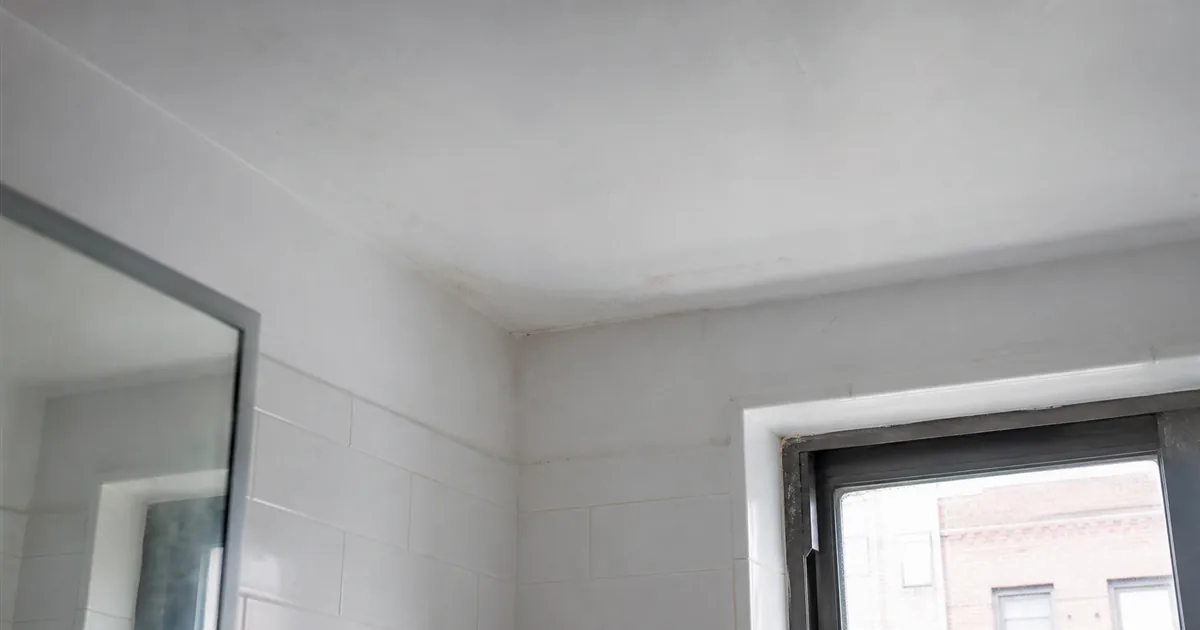
A residential mold inspection in NYC identifies mold, its moisture source, and extent. See what happens from booking through the written report.
When to Book a Residential Mold Inspection
If you notice a continuing musty smell, repeated growth or water staining, or if you know a leak affected hidden material, arrange for an inspection. An inspection can also be useful to provide documentation prior to a property transaction, landlord discussion or larger remediation. The reason for the visit should determine the scope of the visit.
Visible mold doesn’t always require lab samples. The EPA's mold guidance says mold should be cleaned up and the source of moisture corrected. If you want to find that source, or determine the extent of the affected area, or the materials involved, or an independent written record for review, a licensed inspection can be helpful.
The Inspection Visit, Start to Finish
- Book a licensed assessor. Describe the odor, visible conditions, water history, rooms involved, and any access limits.
- Prepare the space. Make available reported areas and provide access to shared or managed building spaces as appropriate.
- Walk through the concern. The assessor looks for visible conditions, adjacent surfaces and credible water paths from room to room.
- Check the moisture. Readings assist the assessor to compare suspect material with surrounding areas and focus any further investigation.
- Collect useful samples. If the inspection question is answered by air or surface sampling only, it is selected.
- Receive the report. The assessor explains the findings, source, area affected and recommended next step.
Our testing methods guide covers sampling without turning this visit overview into a laboratory manual.
What the Written Report Should Contain
The report should outline the areas of the property inspected, visible or suspected growth, approximate area of growth, and source of moisture. If samples are taken then each result requires a definite location. Photographs and descriptions of material should relate the finding to the room, wall, ceiling or building feature involved.
Article 32 requires a licensed mold assessor to write a Remediation Protocol prior to the start of work for mold remediation over 10 square feet. The document sets out the scope for a stand-alone licensed remediation company. The NYS mold program validates the independence requirement and post-remediation assessment. A report that just says “mold present” without any area, source or scope is not sufficient information to direct the next company.
What Happens After the Inspection
First, deal with the water source identified by the Assessor. Remove without leak repair or moisture control, which leaves the condition that supports growth. Then, keep small surface cleaning separate from work requiring licensed remediation. An occupant may clean an area less than 10 square feet on tile, metal or glass. Moldy drywall, wood or insulation has to be taken out.
If the area is greater than 10 square feet, provide licensed remediation companies with the independent protocol to obtain pricing. A licensed assessor does clearance testing after the work. Keep the report, protocol, remediation records and clearance outcome together. Those documents show conditions, planned works, works completed and final assessment in sequence.
The report tells you which of these applies.
| Condition after the inspection | Correct next step |
|---|---|
| Water source identified | Fix it first; removal alone leaves the condition that supports growth |
| Under 10 square feet on tile, metal or glass | An occupant may clean it |
| Moldy drywall, wood or insulation | Has to be taken out |
| Area greater than 10 square feet | Licensed remediation companies quote off the independent protocol |
| After the work is done | A licensed assessor performs clearance testing |
Choosing the Right Inspector
Verify the person or company is properly licensed as a New York mold assessor. Make sure the name on the license matches the written quote. Ask if the assessor also does remediation. Those roles need to be separate in a covered job. The quote shall include the inspected areas, the samples included, the lab charges, the written deliverables and the expected report date.
An NYC assessment usually runs between $300 and $600 depending on the size of the property, access and sampling. Inspection Prices - See Cost Guide* *For the full vetting checklist, check out our inspector selection guide. This pillar is still focused on what happens during the visit itself.
Frequently Asked Questions
What happens during a home mold inspection?
A licensed assessor reviews water history, checks moisture and selects samples when needed, and examines visible and nearby conditions. The visit should end with a written report describing the source, the affected area, the materials involved and the next step. A larger project also needs an Article 32 protocol.
How long does a residential mold inspection take?
Most residential inspections take about 1 to 2 hours, depending on property size, the number of suspect areas, and access. A larger home or condition involving shared building spaces may take longer. Ask when the written report and any laboratory results will follow.
Do I need to leave during the inspection?
Usually occupants can remain while the assessor does a visual and moisture review. Follow the assessor’s instructions for sampling or limited access to a suspect area. Inspection is less disruptive than remediation, as it does not involve the wholesale removal of building materials.
What if the inspector finds mold?
Correct the moisture source and use the report to guide your next steps. The occupant may clean small growth less than 10 square feet on a non-porous surface. For larger work, licensed assessment and remediation by separate companies with clearance testing to follow.
How do I pick a good mold inspector?
Check NYS mold assessor license, confirm no relationship with remediator, ask for written scope before booking. Request the included rooms, samples, lab fees, report and turnaround. Steer clear of anyone who guarantees finding something or pressures you to approve removal during the inspection.
Conclusion A good residential inspection takes the uncertainty out of the equation by providing a documented source, a defined scope and a next step that another professional can follow.