
Mold in NYC Restaurants: Compliance, Removal, and Risk
· NYC Mold Removal Services
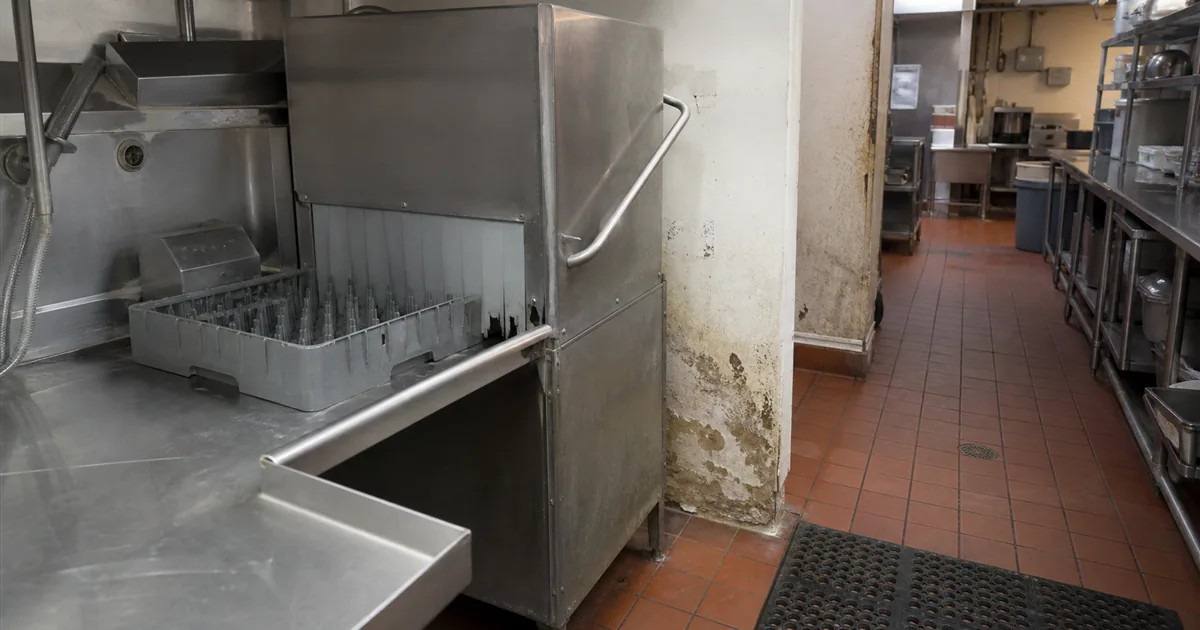
Mold in an NYC restaurant can involve sanitary rules and Article 32. Inspect dish areas, walk-ins, and basements, then correct moisture.
Why Food Businesses Develop Mold
In a small space, restaurants combine plumbing, water use, refrigeration, cooking moisture, cleaning and stored materials. Small supply leak, blocked condensate path, damp wall behind equipment, or recurring floor-edge water can hide until odor, staining or growth appear. The source can also be outside the tenant’s equipment, such as a roof or a building pipe.
Mold requires moisture, so wiping it off the surface without correcting the source is not a lasting answer. The EPA mold guidance stresses the importance of drying wet materials and fixing leaks. Keep food, clean utensils, packaging and single-use items out of the affected area. Do not run contaminated equipment or point a fan at growth while deciding the scope.
Health Department and Article 32 Exposure
All food establishments in NYC must be operated in a sanitary manner and floors, walls, ceilings, equipment and food contact surfaces must be kept clean. Mold or moisture may be part of an inspection finding depending on the location and surrounding condition. Not every spot is the same violation and not every violation is going to automatically shut a restaurant down.
The mold work itself is covered in Article 32. A licensed assessor must define the Remediation Protocol for areas over 10 square feet, a separate licensed remediation contractor must perform the work, and the assessor must conduct a post-remediation assessment. Check licenses with the New York State Mold Program. Coordinate regulatory inspection issues, food protection, and licensed remediation, but document these separately.
High-Risk Areas to Inspect
The table identifies practical starting points, not a diagnosis based on room name.
| Area | Why moisture persists | Prevention focus |
|---|---|---|
| Dish area | Splashing, leaks, and steam | Repair plumbing, ventilate, dry finishes |
| Walk-in cooler | Condensation or drainage problem | Service drainage, inspect surfaces, keep dry |
| Basement | Humidity, plumbing, or exterior water | Correct entry, control humidity, inspect storage |
| Wall behind equipment | Limited visibility and airflow | Provide access and check connections |
| Ceiling below plumbing | Water from a line or room above | Trace and repair the source |
Follow the stain and odor outside the visible face. In our commercial inspection guide we explain how an assessor maps out hidden moisture without random demolition.* Our musty odor guide covers source tracing when no growth is visible.*
Remediating With Limited Operational Impact
First, protect the food and cordon off the affected area from customer flow, storage and preparation. The assessor’s protocol should define containment, material removal, cleaning, drying and clearance. This allows management to figure out working hours, equipment access, deliveries and staff routes to fit that scope without promising the business can stay fully open.
Fix the leak or the condensation condition before rebuilding. The independent assessor returns after remediation and before reconstruction for covered work. Whether a portion of the operation must be shut down depends on the site involved, food protection requirements, safety conditions and any directive from an agency. Our commercial remediation guide covers the work phase in detail.
Staying Compliant Going Forward
Add moisture checks to your routine opening, closing, and maintenance walks. Look under sinks and dish equipment, around cooler doors and drains, behind movable equipment, on basement walls and below known plumbing. Don't trust your memory, log leaks and repairs. If it's repeating at the same location, that means the source was not fully corrected.
The environmental file should be kept with photos, assessment, protocol, remediation records and post-remediation results. Keep food-safety cleaning and equipment-service records in the correct operational file. Train staff to report odor, staining, swollen finishes or standing water before wiping or painting. Preventive work does not replace licensed remediation when the threshold applies, but it can identify water before porous material is affected on a large scale.
Frequently Asked Questions
Can mold shut down my restaurant?
Not all restaurants will automatically respond to mold the same way. Operational restrictions are based on location, risk of contamination, severity, food protection and agency direction. Protect food, stop the source, and follow any written order rather than relying on a general promise.
Where does restaurant mold usually grow?
When you do the inspection visit, check dish areas, walk-ins, basements, walls behind equipment, floor edges and ceilings below plumbing. The useful question is where water or condensation persists. Odor or staining can justify looking inside an accessible cavity or behind equipment .
Do I need a licensed remediator?
All covered mold work over 10 sq ft requires an Article 32 professional. The protocol is written by a licensed assessor. The work is done by a separate licensed remediation contractor. Post remediation assessment is done by the assessor on that property. Check both licenses before authorizing work.
How do I avoid a health-code violation?
Keep the establishment sanitary, protect food and clean items, repair leaks, keep surfaces clean and dry, and document maintenance. If you have mold, fix the problem and use the proper licensed process instead of painting over it.
How fast can it be done?
Timing depends on the affected area, source repair, access, containment, protocol, post-remediation assessment and direction from agencies. Don't set a date for reopening until you know the source and the food protection requirements. Plan to the written scope.
Conclusion Protect food, stop moisture, and scope the work before removal.