
Commercial Mold Inspection in NYC: Offices, Retail, and Warehouses
· NYC Mold Removal Services
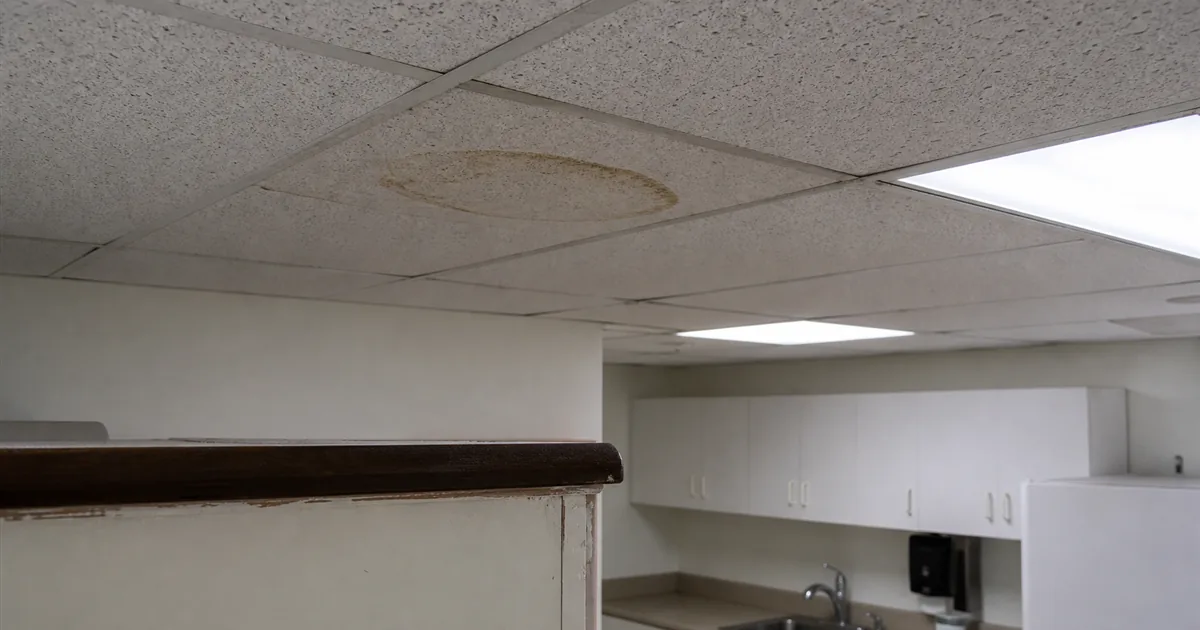
A commercial mold inspection identifies affected materials and moisture sources in NYC offices, retail, and warehouse space under Article 32.
When a Business Needs a Mold Inspection
Schedule an assessment if materials were left damp or visible growth was present after a roof, plumbing, facade, sprinkler, or HVAC moisture event. A recurring musty odor, staining, swollen finishes or employee reports tied to one area also warrant investigation of the building condition. The assessor notes the property. The clinician makes an assessment of personal symptoms.
| Trigger | What the inspection provides |
|---|---|
| Lease handover | Baseline findings for the inspected areas |
| Water-loss record | Source conditions and affected materials |
| Musty odor | Targeted search for hidden dampness |
| Insurance documentation | Independent observations and laboratory results if sampled |
| Occupant complaint | Building evidence without a medical diagnosis |
| Planned renovation | Scope before affected material is disturbed |
Do not wait for paint or construction to erase the original condition.
What a Commercial Inspection Covers
The assessor reviews water history, walks accessible areas, documents visible conditions and uses moisture measurements where useful. During the visit, ceilings near roofs, areas with plumbing, exterior walls, storage rooms, floor edges, and HVAC components may be visited. Sampling is done only where it can answer a defined question and it does not replace source tracing.
For work over 10 square feet, the assessor develops a Remediation Protocol that identifies affected materials, containment, removal or cleaning methods, and clearance criteria. The New York State Mold Program requires an independent assessment that is independent of the remediator. Our NYC mold testing guide explains when air, surface, or material samples add value.
Commercial Lease and Responsibility Questions
An inspection can document where water has penetrated, the material affected, and what areas need to be accessed. It does not decide a disputed lease obligation. The tenant and owner, managing agent and their advisers should cross-check the recorded source and location against the lease, notices, repair history and insurance requirements.
Report condition in writing before changing it. Keep a file of photographs, maintenance requests, incident reports, prior repairs, assessment findings and laboratory documents. If the suspected source is located in a roof, common pipe, adjacent space, or equipment controlled by another party, arrange access early. Do not use language that implies insurance coverage or legal liability until the source is confirmed.
Minimizing Downtime During Assessment
Assessment is typically less disruptive than remediation as it starts with observation, records and targeted measurements. Provide a floor plan, water event timeline, access contacts, and list of areas of odor or staining. Work around operations to schedule access where possible, but do not delay control of active water.
Ask the assessor what rooms are to be entered, if any targeted openings are proposed, and how sampling locations will be documented. Keep customers and staff clear of damaged material. Do not direct fans at visible growth. Do not use any equipment known to be contaminated. For multi-tenant buildings, designate one point of contact to coordinate keys, roof access, engineering records and notices. We’ve got that coordination in our property manager remediation guide.
From Inspection to Commercial Remediation
Remediate the water source before or at the same time as the remediation sequence. Then the remediation contractor follows the protocol to protect occupied areas, contain the work, remove affected porous material, clean retained surfaces and dry the area. The independent assessor returns to conduct the post-remediation assessment prior to reconstruction or re-opening of the work area.
EPA Mold Guidance emphasizes moisture control and provides resources for schools and commercial buildings. Keep the source-repair record, protocol, daily project documents, waste logs and post-remediation result in one place. This page is still focused on the inspection and scope, our commercial mold remediation guide goes over the removal phase for that commercial property.
Frequently Asked Questions
Who inspects commercial space for mold in NYC?
Get a formal assessment from a New York State licensed mold assessor. The assessor shall not be the remediation contractor on the property for covered Article 32 work. Check that the current license is valid for that visit before allowing the inspection.
Does my commercial lease cover mold?
Coverage and responsibility depend on lease, source, location, notices and other property records. The assessor can note the condition of buildings but can’t guarantee any legal outcome. Have the appropriate parties review the findings against the governing documents in writing.
Will the inspection shut down my business?
Inspections can often be started from records, visual observations and targeted measurements, but access or safety conditions may restrict part of the space. First, the assessor should describe the affected areas and the proposed openings.
How much does it cost?
An assessment and testing visit will usually cost $300 to $800. Fee varies with size of space, access, number of areas, records and scope of sampling. Request a written inspection scope rather than assuming every commercial property receives the same tests.
What about employee health complaints?
Record the location, time and condition of the building and arrange for an environmental assessment immediately. Do not use a mold test to predict the health of an individual or to diagnose an employee. Symptomatic employees should discuss their situation with a health care provider.
Conclusion Record the source before operational changes make it impossible.
Set up a licensed Article 32 evaluation with NYC Mold Removal Services. We cover all five boroughs.