
NYC Local Law 55 Annual Mold Inspection: Checklist for Property Managers
· Daniel Morcombe
A step-by-step checklist for conducting the Local Law 55 annual mold inspection correctly, so it holds up if HPD ever requests your records.

Knowing that Local Law 55 requires an annual mold investigation is different from knowing how to actually conduct one that holds up if HPD ever requests your records. Property managers responsible for multiple buildings need a repeatable process, not just an awareness of the fine amounts, this is the operational checklist for doing the inspection itself.
Before You Start: What You Need in Place
- A designated inspector or team, with a documented schedule for reaching every unit and common area within the calendar year.
- A standard inspection form used identically across every unit, so records are comparable building to building and year to year.
- A tenant notification process, since inspecting occupied units requires reasonable advance notice under standard lease terms even though Local Law 55 mandates the inspection occur.
- A record retention system that can produce documentation going back three years on request, since that's the minimum HPD can require you to maintain.
The Unit-by-Unit Checklist
For each dwelling unit, the inspection should document:
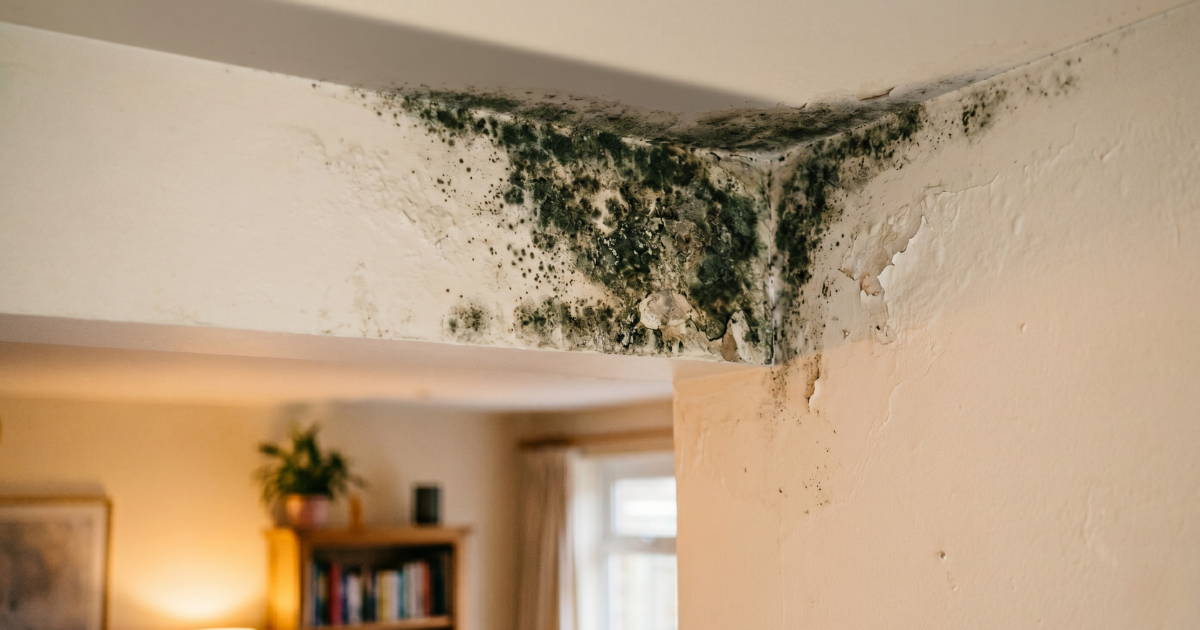
- Visible mold on any surface, noting location, approximate size, and surface type (porous vs. non-porous).
- Visible water staining or discoloration on ceilings, walls, or floors, even without active mold, since it indicates risk conditions Local Law 55 is meant to catch early.
- Active leaks or moisture at plumbing fixtures, under sinks, around tubs and showers, and at window frames.
- Peeling paint or bubbling drywall, which can indicate moisture behind the surface even when mold isn't yet visible.
- HVAC vents and returns for visible mold or excessive dust buildup that could indicate moisture cycling through the system.
- Condition of window seals and caulking, a common water-intrusion point in NYC's older building stock.
The Common Areas Checklist
- Basement and mechanical rooms, including boiler and water heater areas prone to condensation.
- Laundry rooms, which combine high humidity with limited ventilation.
- Hallways and stairwells, particularly near exterior walls and roof access points.
- Lobby areas near entrances, where water tracked in during storms can pool against walls.
- Roof access points and any visible signs of roof membrane failure from the interior (ceiling stains on the top floor).
Documenting What You Find
For every finding, record the date, unit or location, a photo, the specific condition observed, and the corrective action taken or scheduled. If a unit shows no issues, document that too, a completed inspection with no findings is still a compliance record, and an inspection log with gaps looks worse to HPD than one showing a thorough process that happened to find little.
When a Finding Triggers Article 32
If mold is confirmed on a porous material, or covers more than 10 square feet regardless of material, that finding must be escalated to a licensed NYS Mold Assessor rather than closed out by the inspector who found it. Record the date of escalation and the assessor engaged, this handoff is itself part of what HPD expects to see documented if your records are ever requested.
Building Your Three-Year Archive
Store inspection forms, photos, corrective action records, and any Article 32 assessment or remediation documentation together by building and by year. Local Law 55 requires this be available to HPD on request and provided to tenants within 14 days of a written request, a disorganized archive that takes weeks to assemble undermines compliance even if every individual inspection was done properly.
Frequently Asked Questions
Does the Local Law 55 annual inspection need to be done by a licensed professional?
The annual investigation itself can be conducted by building staff or property management, it doesn't require an Article 32 license. Only the remediation that follows a confirmed mold finding above the Article 32 threshold requires licensed professionals.
What happens if a tenant refuses access for the annual inspection?
Document the refusal and the notice provided, and follow your standard lease procedure for accessing a unit with proper notice. A documented, good-faith attempt to inspect is part of your compliance record even if a specific unit couldn't be reached in a given cycle.
Can I use the same inspection form for every building I manage?
Yes, and it's recommended, a standardized form makes your multi-year, multi-building archive easier to produce on request and reduces the chance an inspector at one property skips a category that another building's form includes.
How far back can HPD ask for our inspection records?
Local Law 55 requires records be maintained for a minimum of three years, so that's the window HPD can expect you to produce on request.