
Mold Remediation After a Flood in NYC: The First 48 Hours
· NYC Mold Removal Services
Mold begins growing within 24-48 hours of a NYC flood. Here's what must happen immediately, what triggers Article 32, and what insurance covers.
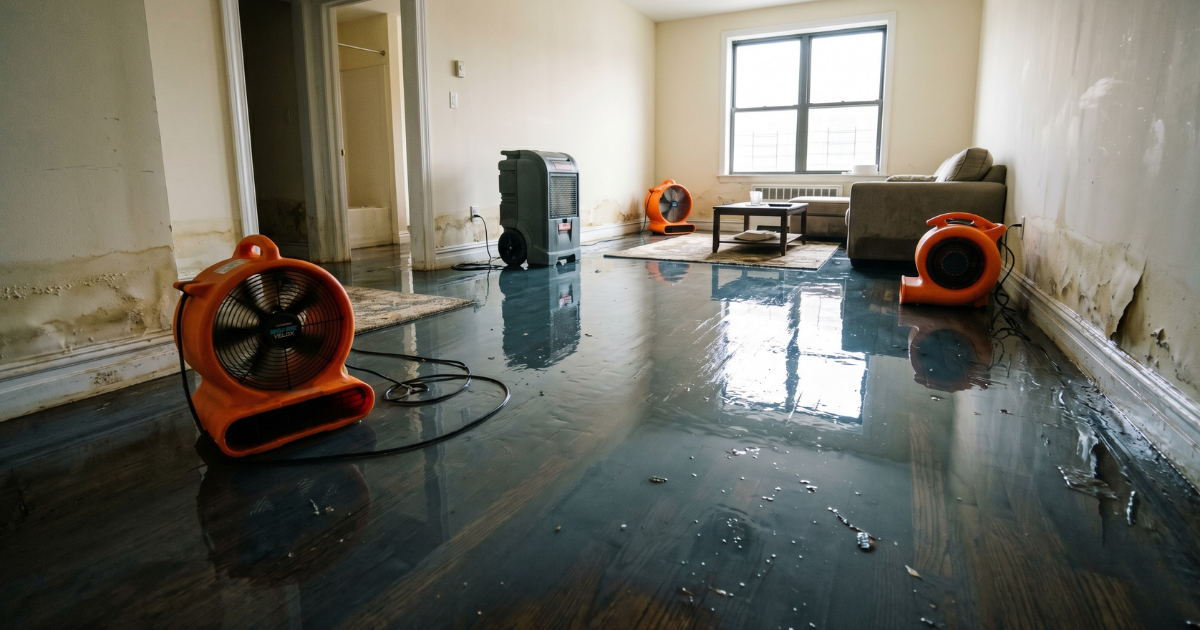
Mold starts growing on wet porous materials within 24 to 48 hours after a NYC property floods. FEMA and New York State DEC guidelines both recommend that professional water extraction and structural drying begin within 24 hours of a flood. Materials still wet beyond 48 hours — drywall, carpet, wood subfloor, insulation — typically need to be removed rather than dried, and full Article 32 mold remediation may be required even before visible mold appears. Quick water extraction is mold prevention. It's the wait that turns a $3,000 drying job into a $15,000 remediation.
The 24-to-48-Hour Problem
Mold spores exist on every surface of every building and stay inert under normal conditions. Add enough water from a burst pipe, a flood, or a roof leak, and they begin to grow — visible colonies can start forming in 24 to 48 hours once relative humidity climbs above 60 percent. Flood response and mold prevention aren't separate operations with separate windows. They're the same window.
NYC-Specific Flood Sources and What They Mean for Mold
NYC flooding behaves differently than suburban or rural flooding, and the water source determines what has to be thrown out versus what can be dried.
- Sewage contamination (Category 3 water) from street flooding or sewer backup — porous material that contacts sewage water must be removed, not dried and preserved. This single rule changes the entire scope and cost of a sewer backup job.
- Groundwater flooding in basements — common in Brooklyn brownstones and attached homes in the Bronx and Queens. Category 2 water is less contaminated than sewage but still requires drying within 24 hours and removal of wet insulation and subfloor materials.
- Saltwater intrusion during hurricanes and coastal surge events — accelerates corrosion of metal building components and creates its own mold environment. FEMA Region 2 (which covers NYC) requires special drying and biocide treatment for saltwater-impacted structures.
- Clean water from a roof leak (Category 1) — the best-case scenario. Materials dried within 24 hours can usually be kept; Category 1 saturated drywall generally needs removal after 48 hours.
The First 48 Hours: What Needs to Happen
- Turn off the water — locate the valve or call the super.
- Document everything before any cleaning. Photograph and video all affected areas with timestamps; this is required for NFIP, homeowners, and renters flood insurance claims.
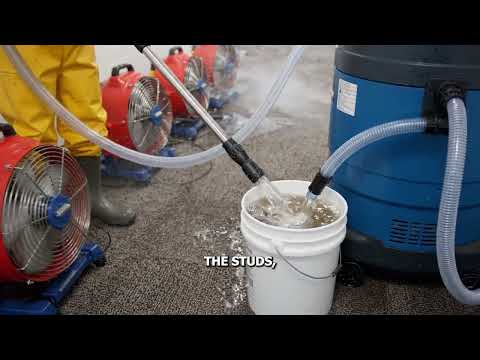
- Extract standing water from hard surfaces and between floorboards using a professional extraction unit or wet/dry vacuum.
- Bring in commercial air movers and LGR dehumidifiers — household fans and box dehumidifiers aren't sufficient for a flooded NYC apartment.
- Remove wet, non-salvageable materials. Category 3 water means all porous materials go immediately; for Category 1 or 2, remove wet insulation and drywall showing more than 1 percent moisture at the base within 24 hours.
- Hire a licensed Article 32 mold assessor to perform a moisture-mapping inspection. This reveals wet pockets and at-risk materials even before any mold is visible.
When Drying Becomes a Mold Remediation Job
Aggressive drying shifts into a full Article 32 remediation once any of the following occurs: a moisture-mapping inspection shows wet materials weren't dried within 48 hours, porous surfaces show confirmed visible mold growth, air sampling by a licensed assessor shows elevated spore counts above the outdoor baseline, or an HPD inspector writes up a mold violation. Once triggered, the full process is legally mandated: licensed assessor, written Remediation Protocol, licensed remediator, and clearance testing.
NYC Flood-Related Mold Remediation Costs
| Scenario | Low Estimate | High Estimate | Key Factor |
|---|---|---|---|
| Water extraction plus structural drying only | $2,000 | $6,000 | Started within 24 hours — mold prevented |
| Flood plus early mold (48-72 hour delay) | $5,000 | $15,000 | Wet drywall removal plus Article 32 remediation |
| Sewage backup (full Category 3) | $8,000 | $25,000+ | All porous materials must go regardless |
| Flood plus HVAC contamination | $10,000 | $35,000+ | Building-wide scope; NADCA plus Article 32 |
Flood Insurance and Mold in NYC
Most NYC properties in flood zones carry FEMA NFIP (National Flood Insurance Program) policies. NFIP will pay for mold caused by a covered flood if the policyholder took reasonable steps to mitigate the damage — starting drying within 24 hours counts. Mold that grew because the owner waited generally isn't covered. NFIP building coverage includes structural elements like drywall, flooring, and insulation, but no contents. Private flood insurance has become more available in NYC since 2020 and can carry different mold-coverage terms — read your policy before doing anything else after a flood event.
Frequently Asked Questions
How fast can mold grow after a flood in a NYC apartment?
In the summer, mold can start colonizing wet drywall in NYC within 24 hours, and colonization is all but certain by 48 hours if porous materials are still wet. Professional water extraction and drying should start the same day the flood occurs.
Do I have to leave my apartment during flood mold remediation?
It depends on scope. Adjoining areas can often stay occupied for a contained, single-room remediation with HEPA-filtered negative-air containment. Multi-room remediation or any work involving sewage-contaminated materials requires temporary relocation for safety — your Article 32 assessor's protocol will specify what's required.
Does my building have to disclose past flood or mold history?
Under the NYS Property Condition Disclosure Act, residential sellers must disclose known previous flood damage and mold. HPD Online is a publicly searchable database that can show prior flood events and mold violations for rental buildings.
My upstairs neighbor caused the flood — who pays?
If the flooding came from your neighbor's negligence, their homeowners or renters liability coverage usually covers your remediation. Document the damage, notify your own insurer, and consult a housing attorney if the neighbor's insurer pushes back.
What if my landlord won't fix flood and mold damage?
File an HPD complaint immediately after the flood and document all communications in writing. If mold is visible, HPD will issue a violation requiring licensed remediation within 24 to 30 days. A housing attorney can also advise on rent escrow and constructive eviction remedies.