
Choosing a Mold Remediation Company in NYC: 7 Questions to Ask
· NYC Mold Removal Services
Article 32 licensing is the top factor in choosing a NYC mold company. Here are 7 questions to ask before signing, and how to verify the answers.

The most important factor in selecting a NYC mold remediation company is verifiable Article 32 licensing — not reviews, not price, not speed of response. Remediation performed by an unlicensed company can't produce a valid clearance certificate, can't close an HPD violation, and leaves you with work that has no legal standing if mold comes back or causes health harm. License verification takes about 90 seconds at labor.ny.gov. Beyond that, seven questions separate compliant contractors from the ones who'll cost you more in the long run.
Question 1: Can I have your NYS Article 32 license number now?
Ask before you start talking pricing. Verify the number on the NYS Department of Labor's license search at labor.ny.gov — the database shows license holder name, license type (remediator or assessor), license number, expiration date, and any disciplinary actions on file. If the company hesitates, says the license is "pending," or gives you a number you can't find in the database, hang up.
Question 2: Who's doing the assessment, and is it a different company?
Article 32 requires that the company evaluating the mold and writing the Remediation Protocol be completely independent of the remediation company — the arrangement is disqualified if the two share staff or have subsidiary relationships or common ownership. A compliant answer sounds like: "We're the remediator. For assessments we work with [assessor company name], a separate licensed firm — you can check their license at labor.ny.gov." A non-compliant answer sounds like: "We do all the work in-house — assessment, remediation, clearance." That's a violation of Article 32, not a full-service offering.
Question 3: Will an independent assessor conduct clearance testing?
After remediation, clearance testing must be done by a licensed assessor who isn't from the remediating company. A company remediating and then clearing its own work has a clear conflict of interest and isn't operating under Article 32. Get the independent assessor's name and license number before any work starts, and verify it at labor.ny.gov.
Question 4: What containment setup will you use?
Article 32 describes three levels of containment, and the level used should follow what the licensed assessor's Remediation Protocol specifies in writing:
- Limited containment — plastic sheeting on doorways, basic dust control. Only appropriate for very small, contained mold spots.
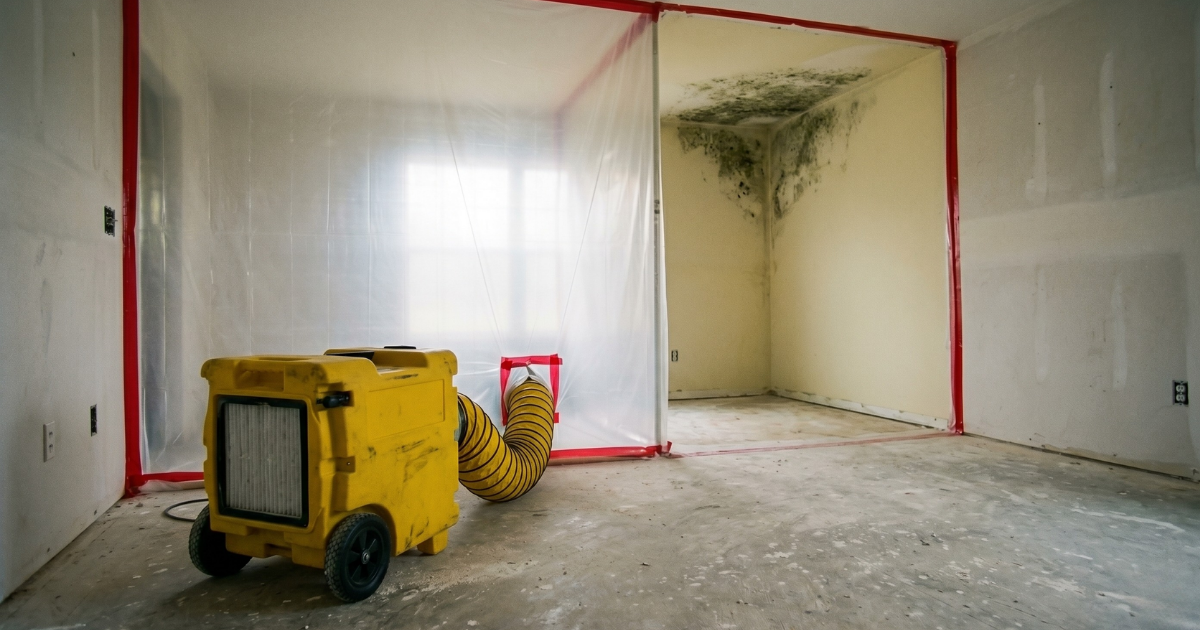
- Full containment — poly barrier enclosure of the work area with a HEPA-filtered negative air machine, required for larger areas and any work involving Stachybotrys.
- Critical containment — double barrier enclosure with an airlock decontamination room, needed for the most serious cases.
A company using limited containment on every job regardless of scope isn't following protocol — the remediator doesn't decide the containment level, the assessor does.
Question 5: What will you do about the moisture source?
The number one reason mold returns after professional remediation is that the water source was never addressed. Ask what the company plans to do about the moisture source — plumbing repair, roof patching, interior waterproofing — and whether that's included in their contract or a separate scope you have to coordinate yourself. Get a straight answer before you sign. A company that doesn't raise this question is selling you half of a two-part job.
Question 6: What does your warranty actually cover?
The only warranty of real value is one covering the remediating company's own work: if mold returns to the same spot from the same source within the warranty period, they re-remediate at no charge. Warranties don't cover new mold from a new water source, or mold that returns because a moisture source was left unfixed after you were told to fix it. If you see a "lifetime guarantee" with no written description of what's actually covered, be skeptical.
Question 7: What documentation will you provide on completion?
A full Article 32 remediation produces a specific documentation package: the licensed assessor's pre-remediation assessment report and written Remediation Protocol, a completion report from the remediating company stating what was done per protocol, a post-remediation clearance report from an independent licensed assessor, license numbers for every party involved under Article 32, and waste disposal manifests if job volume requires them. If a company won't commit in writing to delivering this package, they aren't doing a full Article 32-compliant remediation.
Frequently Asked Questions
Where do I find the Article 32 license of a NYC mold remediation company?
Search by company name or license number at the NYS Department of Labor's license lookup at labor.ny.gov. The database is free and public, and includes license type, status, expiration date, and any disciplinary history.
Are IICRC certifications a substitute for Article 32 licensing in NYC?
No. IICRC certifications (like Applied Microbial Remediation Technician or Water Damage Restoration Technician) are voluntary industry credentials reflecting professional training — they aren't government licenses and don't satisfy Article 32's legal licensing requirement. IICRC certification is a useful addition, not a substitute.
How many quotes should I get for mold remediation in NYC?
At least three, from separate Article 32-licensed companies. This gives you a baseline for comparison, helps you spot outliers (unusually low quotes that may signal unlicensed work, or unusually high quotes without scope justification), and gives you documented leverage if a quote is later disputed.
How do I check for complaints against a NYC mold remediation company?
HPD violations attach to properties, not contractors. Search labor.ny.gov for NYS DOL disciplinary actions against the company's Article 32 license, check the NYS Attorney General's complaint database, and check the Better Business Bureau — verifying a clean disciplinary record on the license is more informative than most online reviews.
What happens if I hire an unlicensed mold remediation company in NYC?
The work won't comply with HPD requirements and any clearance certificate issued has no legal force. If mold returns and causes health problems, you have very limited legal recourse against an unlicensed contractor, who may also face criminal penalties under Article 32 — though that won't recover your remediation costs.